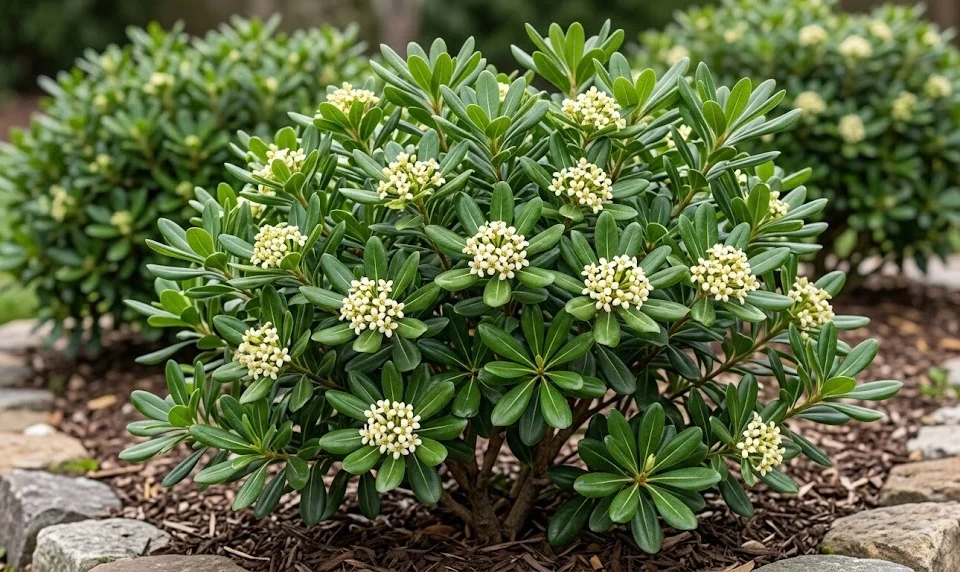

Japanese cheesewood is generally hardy in many regions, but its evergreen nature makes it particularly vulnerable to severe winter conditions. While it can withstand temperatures down to a certain point, a sudden or extreme cold snap can cause significant damage to the foliage and stems. Understanding the specific hardiness zone of your garden is the first step in determining how much winter protection your shrub will actually need. Factors such as altitude, exposure to wind, and soil moisture levels all play a role in how well the plant will survive the coldest months.
One of the greatest risks during winter is not just the cold itself, but the drying effect of freezing winds on the evergreen leaves. Because the plant does not lose its leaves, it continues to lose moisture through a process called transpiration even when the ground is frozen. If the roots cannot pull up new water to replace what is lost to the wind, the leaves will eventually turn brown and die, a condition often called winter burn. This is why a sheltered location or a physical barrier can be so important for survival in more exposed garden sites.
Frost heaving is another potential issue, especially for younger plants that have not yet established a deep and extensive root system. This occurs when the soil repeatedly freezes and thaws, physically pushing the plant out of the ground and exposing the sensitive roots to the air. Keeping a close eye on the base of the plant after a major temperature swing is essential for catching this problem early. If you notice the root ball is becoming exposed, gently firming the soil back into place and adding more mulch can save the plant.
Heavy snow and ice can also pose a physical threat to the structural integrity of the Japanese cheesewood’s branches. The dense canopy is perfect for catching snow, which can quickly become heavy enough to bend or even snap the primary stems. In regions where significant snowfall is common, it may be necessary to gently brush off the accumulation after a storm to prevent breakage. Understanding these various risks allows you to develop a comprehensive winter care plan that addresses all the potential challenges of the season.
Physical protection and sheltering
For plants located in particularly cold or windy spots, providing some form of physical protection can make the difference between survival and failure. A simple burlap screen can be erected around the shrub to act as a windbreak and reduce the rate of moisture loss from the leaves. It is important to ensure the burlap does not actually touch the foliage, as this can lead to moisture buildup and rot in some cases. This type of shelter is especially beneficial for young or recently transplanted specimens that are still finding their feet in the garden.
More articles on this topic
Mulching is perhaps the most effective way to protect the root system from the temperature fluctuations that characterize a typical winter. A thick layer of organic material, such as wood chips, straw, or shredded leaves, should be applied around the base of the shrub in late autumn. This layer acts as an insulating blanket, keeping the soil temperature more stable and preventing the ground from freezing too deeply. Be careful to keep the mulch a few inches away from the main trunk to avoid creating a moist environment that encourages bark rot.
In areas where extreme freezes are expected, some gardeners choose to wrap their cheesewoods in horticultural fleece or heavy-duty frost blankets. This provides an extra layer of insulation that can raise the temperature around the plant by several degrees during the night. These covers should be removed during the day if the sun is bright and the temperature rises above freezing to prevent the plant from overheating. Using a breathable material is crucial to allow for air exchange and to prevent the buildup of mold or mildew under the cover.
For container-grown Japanese cheesewoods, the roots are even more exposed to the cold than those of plants in the ground. Moving the pots to a more sheltered location, such as against a south-facing wall or into an unheated garage or greenhouse, is often necessary. If the pots must stay outside, wrapping the container itself in bubble wrap or burlap can provide the necessary insulation for the root ball. Grouping several pots together can also create a small microclimate that helps retain heat and protect all the plants involved.
Moisture management during dormancy
It is a common misconception that plants do not need water during the winter, but for evergreens like the Japanese cheesewood, hydration is still vital. As mentioned earlier, the leaves continue to lose water throughout the season, and if the soil is bone dry, the plant will suffer. Providing a deep watering in late autumn before the first hard freeze ensures that the plant enters the winter with its tissues fully hydrated. This “last drink” is one of the most important steps you can take to prevent winter burn and general dieback.
More articles on this topic
During the winter months, keep an eye on the weather and provide additional water during any prolonged dry spells when the ground is not frozen. A light watering on a sunny afternoon when temperatures are above freezing can give the plant the moisture it needs to get through the next cold snap. It is better to water at midday so the moisture has a chance to soak in before the temperature drops again at night. Avoid overwatering, however, as soggy soil in cold temperatures can lead to root rot and other moisture-related problems.
Applying an anti-desiccant spray to the foliage in early winter can provide an extra layer of protection against drying winds. These products create a thin, waxy coating on the leaves that slows down the rate of transpiration without interfering with the plant’s natural functions. This is particularly useful for plants in very exposed locations or for those that have shown signs of winter damage in previous years. Be sure to follow the product instructions carefully and apply it on a day when the temperature is above freezing and the leaves are dry.
Proper drainage remains just as important in winter as it is during the growing season to prevent water from pooling around the roots. If the soil stays saturated and then freezes, the resulting ice can expand and damage the root structures through physical pressure. Ensuring that your planting site is well-drained before the winter begins is the best way to avoid these hidden subterranean issues. By managing moisture levels carefully, you help your Japanese cheesewood maintain its glossy green appearance even in the depths of the coldest months.
Spring recovery and assessment
As the days grow longer and the temperatures begin to rise, it is time to assess how your Japanese cheesewood has fared over the winter. Do not be in too much of a hurry to remove winter protection, as late spring frosts can still cause damage to tender tissues. Wait until the threat of severe freezing has passed before taking down screens or removing heavy mulch layers. This transition period is a critical time for the plant as it prepares to break dormancy and begin a new season of growth.
You may notice some brown or damaged leaves as you inspect the shrub in early spring, which is often just a natural reaction to the winter stress. Resist the urge to prune these away immediately; wait until the new growth begins to emerge to see exactly how much of the branch has survived. Sometimes, what looks like a dead stem will surprise you by producing healthy new buds once the weather warms up consistently. Once the plant is actively growing, you can safely remove any truly dead wood to tidy up the specimen.
Early spring is also the perfect time to replenish the mulch layer and provide the first light fertilization of the year to support the new growth. As the soil warms up, the roots will become more active and will appreciate the boost of nutrients to help them recover from the winter. If the winter was particularly dry, continue to monitor the soil moisture closely to ensure the plant has enough water for its spring flush. A little extra care during this recovery phase will set the stage for a spectacular display of flowers in the coming weeks.
Finally, take a moment to reflect on your winter protection strategy and make notes for the following year. If certain plants struggled despite your efforts, consider moving them to a more sheltered spot or improving their protection next time. Gardening is a continuous learning process, and each winter provides valuable information on how to better care for your unique landscape. With a thoughtful approach to overwintering, your Japanese cheesewood will continue to be a resilient and beautiful anchor in your garden for many years to come.