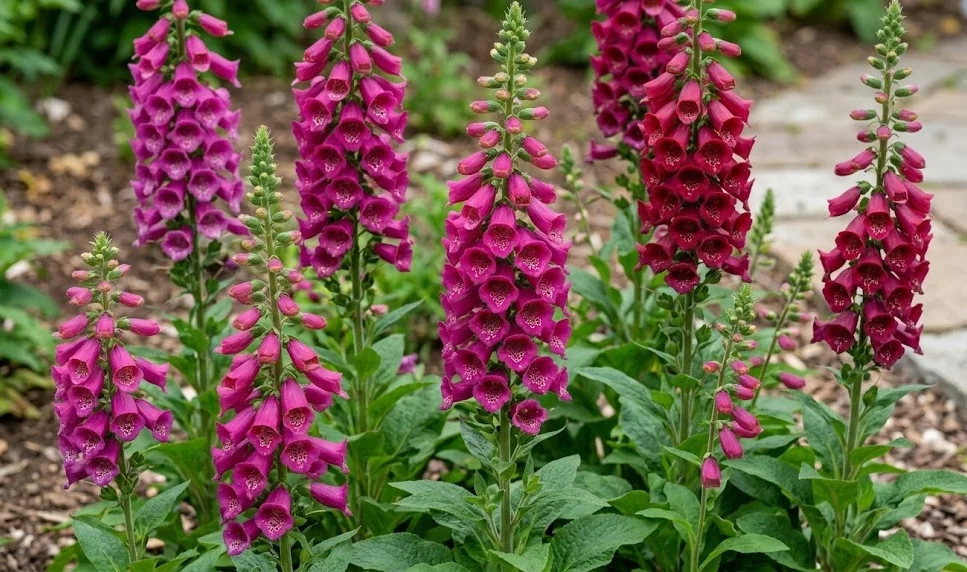

Maintaining a thriving population of common foxglove requires a deep understanding of its biennial nature and specific habitat preferences in the garden. These plants are beloved for their towering spikes of bell-shaped flowers that add a dramatic vertical element to any landscape design. To ensure they reach their full potential, one must provide a combination of rich soil, consistent moisture, and appropriate structural support. Successful cultivation relies on consistent observation throughout the growing season to address any environmental stresses early on.
The soil environment serves as the primary foundation for the vigorous growth seen in healthy foxglove specimens during their first and second years. Ideally, the ground should be enriched with significant amounts of organic matter such as well-rotted compost or leaf mold. This organic enrichment helps retain the necessary moisture levels while providing a slow release of essential nutrients to the developing root systems. Gardeners should aim for a slightly acidic to neutral pH level to optimize nutrient uptake and prevent common chlorosis issues.
Air circulation is an often overlooked factor that plays a critical role in the long-term health of these tall, leafy biennials. When plants are crowded too closely together, the lack of airflow creates a humid microclimate that encourages the development of various fungal pathogens. Spacing individual rosettes at least eighteen inches apart allows each plant to breathe and receive adequate light on its lower leaves. This practice not only prevents disease but also ensures that the central flower spike has enough room to expand without competition.
Monitoring the growth stages of common foxglove is essential because the care requirements change significantly as the plant transitions from a rosette to a flowering spike. During the first year, the focus remains entirely on building a robust root system and a healthy cluster of green foliage. In the second year, the energy shifts toward the production of the flower stalk, which requires a steady supply of energy and water. Understanding this biological timeline allows for more precise interventions, such as adjusting irrigation levels or providing extra mulch during temperature fluctuations.
Maintaining soil health and nutrition
The long-term vitality of common foxglove is closely tied to the chemical and physical composition of the substrate in which it resides. High-quality garden loam that has been amended with organic compost provides the perfect balance of aeration and water retention for these plants. It is important to avoid heavy clay soils that compact easily, as this can lead to root suffocation and stunted growth over time. Regular soil testing can help identify any specific mineral deficiencies that might hinder the plant’s ability to produce vibrant floral displays.
More articles on this topic
Organic mulch serves multiple purposes beyond simple weed suppression when applied correctly around the base of the foxglove rosettes. A thick layer of shredded bark or straw helps maintain a cool root temperature, which is highly beneficial during the heat of midsummer. As this mulch decomposes, it slowly integrates into the soil, further improving the tilth and microbial activity near the plant’s roots. Care must be taken to keep the mulch a few inches away from the crown to prevent moisture-induced rot.
Nitrogen management is a specific concern for gardeners who want to achieve the maximum possible height for their flower spikes. While some nitrogen is necessary for foliage production, an excess can lead to weak, succulent stems that are prone to breaking in the wind. Using a balanced, slow-release organic fertilizer in early spring provides a steady stream of nutrients without causing a dangerous surge in growth. This approach mimics the natural forest floor environment where these plants originally evolved, leading to hardier and more resilient specimens.
Microbial life within the soil interacts with the root systems of common foxglove to facilitate the absorption of complex minerals and water. Encouraging a healthy population of mycorrhizal fungi can significantly enhance the plant’s drought tolerance and overall resistance to environmental stressors. Avoiding the over-use of synthetic chemicals helps preserve these beneficial organisms and promotes a more sustainable garden ecosystem. A living soil is often the secret behind the most impressive foxglove displays in professional botanical collections.
Structural support for tall flower spikes
As the central flower stalk begins its rapid ascent in the second year, the physical weight of the developing bells can become a challenge. In areas prone to high winds or heavy summer rain, these tall spikes are frequently at risk of bending or snapping at the base. Providing early support with bamboo canes or specialized circular plant stakes can prevent heart-breaking damage during peak blooming periods. It is best to install these supports when the stalk is still young to avoid disturbing the roots later.
More articles on this topic
Tie the stems loosely to their supports using soft garden twine or flexible rubber coated wires to prevent girdling of the plant tissue. As the stalk continues to grow and thicken, these ties may need to be adjusted or moved higher to provide continuous stability. The goal is to allow the plant some natural movement while ensuring it does not collapse under its own weight or the force of a storm. A well-supported foxglove maintains its elegant vertical lines, which are essential for the intended visual impact in the border.
Naturalistic staking methods can also be employed by planting foxgloves near sturdy shrubs or within a dense matrix of other perennials. The surrounding vegetation acts as a living cage, providing subtle support that is often more aesthetically pleasing than artificial stakes. This method works particularly well in cottage-style gardens where a slightly wilder appearance is desired and individual staking might look too formal. However, the gardener must still ensure that the supporting plants do not compete too aggressively for light and water.
Observation during the blooming phase is crucial to catch any signs of leaning before the stem undergoes permanent deformation. Once a foxglove stalk has bent significantly, it is very difficult to straighten it without causing physical damage to the vascular system. If a plant does begin to lean, adding a secondary stake on the opposite side can often provide the necessary counter-balance to keep it upright. Maintaining this verticality ensures that the nectar-rich flowers remain accessible to the bumblebees that are their primary pollinators.
Managing the biennial life cycle
The life cycle of common foxglove is a fascinating process that requires patience and forward planning from the gardener. Since these plants typically only flower in their second year before dying, creating a continuous yearly display requires overlapping generations. By allowing some plants to self-seed while planting new seedlings each autumn, one can ensure that there are always rosettes ready to bloom the following spring. This rhythmic approach to planting creates a sustainable and ever-changing garden landscape that matures over several seasons.
Seed heads should be monitored closely as the primary flowering period comes to an end in late summer. If the goal is to expand the colony, leaving the dried pods intact will allow thousands of tiny seeds to scatter naturally across the surrounding soil. For those who prefer more control, the seeds can be harvested and sown in specific trays or prepared nursery beds. This manual intervention allows for higher germination rates and more precise placement of the plants within the garden’s color scheme.
Rosette health during the first winter is a strong indicator of the floral quality that can be expected in the second year. A large, dark green rosette with many leaves suggests that the plant has stored enough energy to produce a massive and impressive flower spike. Protecting these young plants from being smothered by fallen autumn leaves or crushed by heavy snow is a simple but effective maintenance task. Ensuring the crown remains clear of debris prevents the moisture buildup that often leads to winter fungal infections.
Understanding the terminal nature of the mother plant helps gardeners manage their expectations and plan for replacements accordingly. Once the seeds have been dispersed, the original plant will naturally decline and eventually turn brown and brittle. At this stage, it is best to remove the dead remains to make room for the new generation of seedlings that are likely already emerging beneath the canopy. This cycle of renewal is part of the inherent charm of growing biennials in a professional or hobbyist garden setting.
Companion planting for aesthetic appeal
Selecting the right neighbors for common foxglove can elevate the visual impact of the garden while also providing practical horticultural benefits. The vertical form of the foxglove contrasts beautifully with the rounded shapes of peonies, roses, or large-leaved hostas. These companion plants can also hide the lower foliage of the foxglove, which sometimes becomes ragged or yellowed as the plant focuses its energy on the flowers. Careful selection of colors and textures creates a sophisticated tapestry that remains interesting throughout the entire growing season.
From a functional perspective, planting foxgloves alongside species that share similar cultural requirements simplifies the daily tasks of irrigation and fertilization. Ferns and astilbes are excellent choices as they both thrive in the same moist, partially shaded conditions that foxgloves prefer. These combinations mimic the edge-of-the-woods habitat where Digitalis is most at home in the wild. By grouping plants with identical needs together, the gardener can manage the microclimate more efficiently and reduce the risk of over or under-watering.
Pollinator gardens often use common foxglove as a centerpiece because of its immense popularity with long-tongued bees. Integrating other nectar-rich plants like salvias or lupines can create a concentrated feeding zone that supports local insect populations. The architectural height of the foxglove also provides a visual landmark for insects navigating through the garden space. A diverse planting scheme ensures that even when the foxgloves have finished blooming, there are other food sources available for the garden’s beneficial visitors.
The toxic nature of all parts of the foxglove plant makes it an excellent choice for gardens where deer or rabbits are a frequent problem. While many other perennials might be grazed to the ground, most mammals instinctively avoid the bitter and dangerous alkaloids found in foxglove tissue. Planting a perimeter of foxgloves can sometimes act as a minor deterrent for more sensitive plants located deeper within the flower bed. This natural resistance adds a layer of protection to the garden without the need for unsightly fencing or chemical repellents.
Seasonal observation and adjustments
Spring marks the beginning of the most active growth period, requiring the gardener to be vigilant about soil moisture and nutrient availability. As the ground warms, the overwintered rosettes will begin to push out new green growth from their centers. This is the ideal time to apply a thin layer of compost and check for any signs of pest activity that might have survived the winter. Early intervention at this stage sets the trajectory for the entire year, ensuring the plants have everything they need for the upcoming bloom.
Summer care is primarily focused on managing the effects of heat and ensuring that the flower spikes remain hydrated during dry spells. In particularly hot climates, providing extra shade during the afternoon can prevent the delicate bells from wilting prematurely. Regular deadheading of the side shoots can sometimes extend the blooming period, although the main central spike remains the primary attraction. It is a time of high aesthetic reward, but also one that requires consistent effort to maintain the peak appearance of the display.
Autumn is the season for transition and preparation as the garden begins to slow down and the foxgloves finish their reproductive cycle. If seeds were sown earlier in the summer, the young seedlings will now be large enough to be moved to their permanent flowering positions. This is also the time to tidy up the garden by removing spent stalks and clearing away any diseased foliage before the first frost. Proper garden hygiene in the fall significantly reduces the amount of work required when the new growing season arrives in the spring.
Winter provides a period of dormancy where the focus shifts to protecting the soil structure and the young rosettes of the next generation. While the plants are relatively cold-hardy, extreme fluctuations in temperature can cause the soil to heave, potentially exposing the roots to freezing air. A light covering of evergreen boughs can provide enough insulation to stabilize the soil temperature without trapping excessive moisture against the crown. This quiet season is a good time for the gardener to reflect on the past year’s successes and plan for future improvements.
Long term garden integration
Successfully integrating common foxglove into a long-term garden plan requires an appreciation for its ability to wander and find its own ideal spots. Over several years, a gardener may notice that seedlings begin to appear in cracks in paving or tucked under the eaves of sheds where they were never intentionally planted. Allowing a certain amount of this natural movement can result in a more relaxed and authentic garden atmosphere. These “volunteer” plants are often the hardiest individuals as they have chosen the microclimate that best suits their needs.
Color coordination across multiple years can be achieved by selectively removing seedlings that do not match the desired palette. While wild foxgloves are typically purple or pink, cultivated varieties offer shades of white, cream, peach, and even light yellow. By identifying the colors early in the blooming stage, the gardener can decide which plants to keep for seed production and which to remove. Over time, this selective pressure can result in a personalized strain of foxgloves that is perfectly tailored to the specific garden’s aesthetic.
The placement of foxgloves within the broader landscape should take into account their height and the way they move in the breeze. They are most effective when placed at the back of a border or used as a vertical accent against a dark evergreen hedge or a stone wall. This positioning provides a solid background that makes the intricate patterns inside the floral bells more visible to the observer. Thinking about the garden as a three-dimensional space allows for more creative uses of these tall biennials in various landscape contexts.
Consistency in care and a respect for the natural rhythms of the plant will lead to a garden that feels established and timeless. Common foxglove is not a plant for those seeking instant, permanent results, but rather for those who enjoy the process of cultivation and change. As the seasons pass and the generations of plants succeed one another, the foxgloves become a signature element of the garden’s identity. Their presence is a testament to the gardener’s skill in working with nature rather than attempting to dominate it entirely.