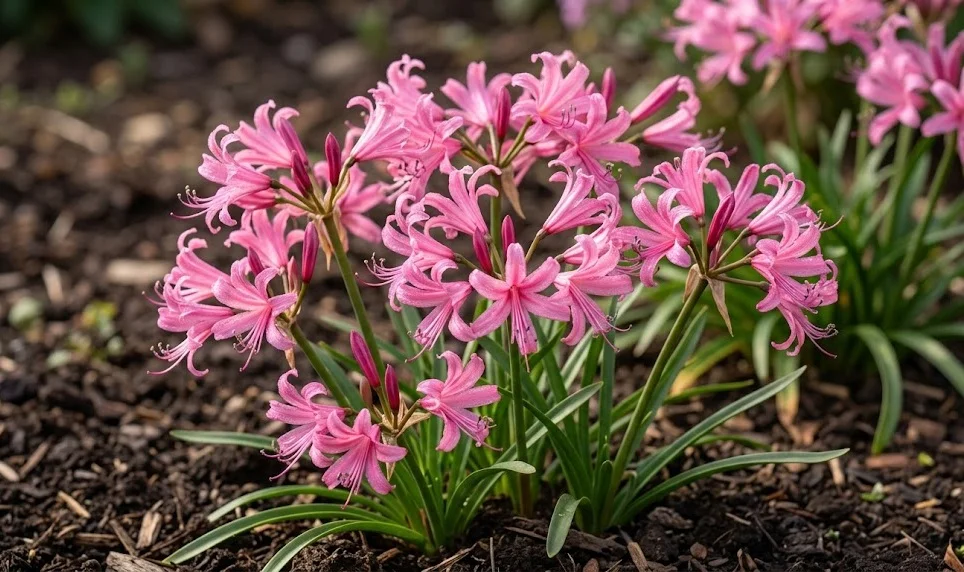

Overwintering Bowden lily is mainly about keeping the bulb cold enough to rest but dry enough to survive. The plant can tolerate cool conditions better than many gardeners expect, but wet winter soil is a serious risk. In mild, well-drained gardens, bulbs may remain outdoors year after year. In colder or wetter areas, extra protection or container growing gives more reliable results.
Understanding winter tolerance
Bowden lily is more resilient when bulbs are mature and well established. Young or recently planted bulbs are more vulnerable because their root systems are not yet strong. A settled clump in free-draining soil can handle winter much better. This is why careful planting pays off over several seasons.
Cold damage is most likely when bulbs are wet. Waterlogged soil conducts cold and deprives roots of oxygen. The bulb tissues can weaken, then rot as temperatures fluctuate. Dry cold is usually less harmful than wet cold.
Local climate matters greatly. A sheltered urban garden may overwinter bulbs successfully while a nearby exposed rural site struggles. Walls, paving, and raised beds can create warmer microclimates. Even small differences in exposure can affect survival.
Winter care should be planned before the first severe weather. Waiting until soil is already saturated limits options. Improving drainage, adding a protective cover, or moving pots under shelter is easier in advance. Good preparation reduces emergency intervention.
More articles on this topic
Protecting bulbs in open ground
In open ground, the best protection is a dry, well-drained planting position. A raised bed or slope prevents water from collecting around bulbs. Gravel mulch helps reduce surface wetness and keeps the bulb neck cleaner. Organic mulches should be used carefully because they can hold too much moisture.
A temporary rain cover can be useful in very wet climates. Clear covers or cloches should allow airflow, not seal the plant in stagnant humidity. The aim is to shed excess rain while preventing condensation problems. Ventilation remains important even in winter.
Do not cut green leaves simply because winter has arrived. If foliage remains active, it is still feeding the bulb. Remove only leaves that have yellowed and collapsed naturally. Healthy foliage improves the plant’s ability to flower later.
If heavy frost is expected, a light protective layer can be used briefly. Dry straw, bracken, or horticultural fleece may help during cold snaps. Remove or loosen protection when conditions improve. Long-term wet covering can create more harm than frost itself.
More articles on this topic
Overwintering in containers
Containers give excellent control over winter moisture. Pots can be moved into a cold greenhouse, porch, shed with light, or sheltered wall position. The space should be cool rather than warm. Warm indoor rooms can disturb dormancy and weaken growth.
The compost must remain barely moist, not bone dry and not wet. Bulbs with living roots should not be allowed to shrivel completely. Check pots occasionally, especially in windy or dry covered areas. Small pots dry faster than large ones.
Good pot drainage is essential. Containers must have open drainage holes and should not stand in saucers of water. Raising pots on feet helps excess water escape. A gritty compost mix reduces winter rot risk.
Container bulbs may need more winter attention than those in ideal open ground. They are exposed to sharper temperature swings and limited root space. Insulating the outside of pots can help during hard frost. The bulb itself should stay cool, stable, and protected from prolonged wetness.
Spring recovery after winter
Spring care should begin gradually. As temperatures rise and growth becomes more active, watering can increase slightly. Do not rush feeding before the plant is clearly growing. Roots must be active before they can use nutrients properly.
Check bulbs and foliage for winter damage. Soft bulbs, foul smells, or collapsing growth suggest rot. Minor leaf marking is less serious and may simply reflect weather stress. Remove damaged tissue only when it is clearly dead.
Plants that survived winter but look weak should be treated gently. Avoid heavy fertiliser or excessive watering in an attempt to force recovery. Give warmth, light, and careful moisture. A stressed bulb needs stable conditions more than sudden stimulation.
If winter losses occur, improve the system before replanting. Choose a drier position, use a raised bed, or switch to container culture. Replacing bulbs in the same wet soil is rarely successful. Overwintering improves dramatically when moisture is controlled.