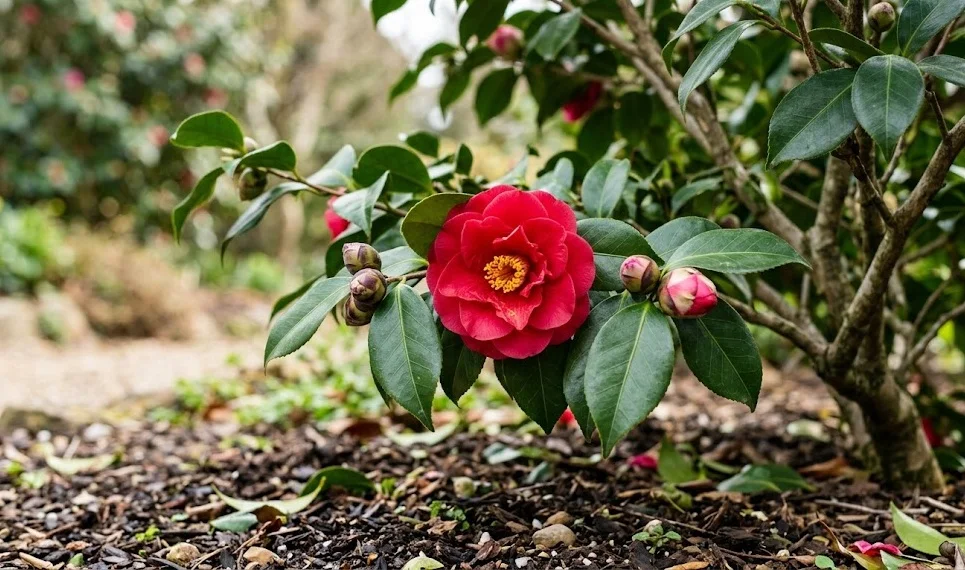

Finding the perfect balance of light and shadow is one of the most critical aspects of placing these plants correctly within your garden’s layout. You should understand that while they are often described as shade-loving, they actually require a certain amount of filtered light to produce a profusion of flowers. Too much direct sun can scorch the leaves and cause the plant to look stunted, while too much deep shade will result in leggy growth and few buds. Observing how the light moves through your space at different times of the year will help you find the ideal spot.
Morning sun followed by afternoon shade is often considered the gold standard for these shrubs, especially in regions with hot summer temperatures. The gentle light of the early hours provides enough energy for photosynthesis without the intense heat that can damage the delicate leaf tissues. If the plant receives too much direct afternoon sun, you will notice the leaves becoming pale or developing yellowish-bronze patches known as sunburn. Providing a lattice screen or planting near taller deciduous trees can help filter the light and protect the plant during the harshest part of the day.
The intensity of the light also influences the timing and quality of the flowering season, as light levels trigger the development of reproductive organs. In cooler climates, these plants can often tolerate more sun than they could in a southern garden where the solar radiation is much stronger. You should also consider the reflective heat from white walls or paved surfaces, which can increase the temperature around the plant even in partial shade. Adjusting the surrounding landscape to include more green surfaces can help cool the microclimate and improve the light quality.
Monitoring the plant’s response to its current lighting conditions will tell you if you need to make adjustments to its position or the surrounding canopy. If the branches are becoming long and thin with very few leaves, it is a clear sign that the plant is searching for more light. Conversely, if the growth is very compact and the leaves are small and off-color, you might need to provide more shade during the peak hours. By fine-tuning the light environment, you can ensure that your plant stays healthy, dense, and covered in spectacular blossoms every season.