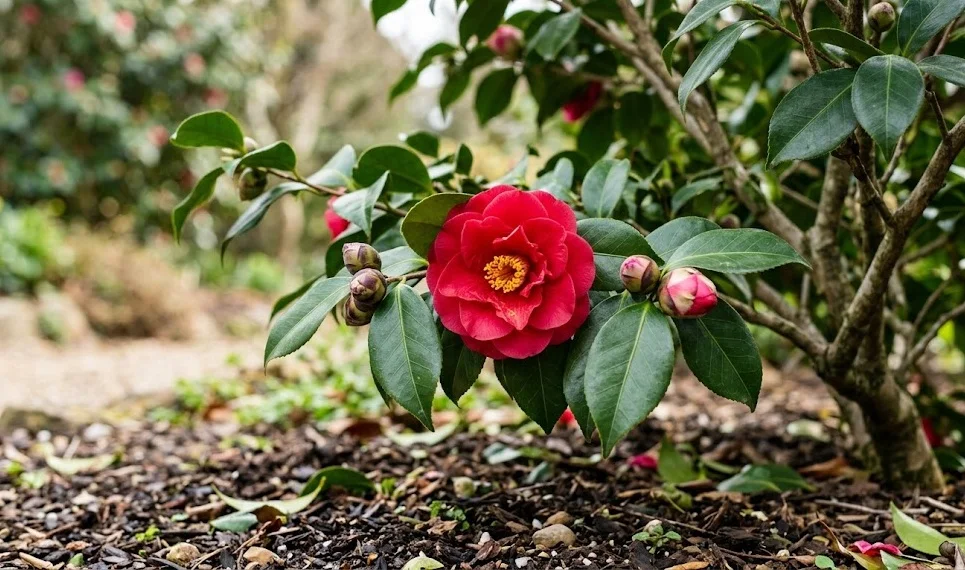

Pruning is a vital maintenance task that helps manage the size of the shrub, improves air circulation, and encourages the production of new flowering wood. You should approach this task with a clear plan and the right tools to ensure that you do not damage the plant or reduce its blooming potential for the following year. While these shrubs do not require heavy annual pruning, a light touch at the right time will keep them looking their best for decades. Understanding the natural growth habit of your specific variety will guide you in making the most effective cuts.
The best time to prune is immediately after the flowering season has finished but before the new growth for the next year begins to emerge. This window of opportunity ensures that you are not cutting off the developing flower buds, which start to form in early summer. You should focus on removing any dead, damaged, or diseased wood first to maintain the overall health and hygiene of the plant. Using sharp, bypass pruners will provide the cleanest cuts, which heal more quickly and are less likely to become entry points for pathogens.
Thinning out the interior of the shrub is a professional technique that allows more light and air to reach the center of the plant. You should look for branches that are crossing or rubbing against each other and remove the weaker ones to prevent bark damage. This improved air movement is one of the most effective ways to prevent fungal diseases and scale infestations from taking hold in the dense foliage. If you want to maintain a specific shape or size, you can also head back some of the longer branches to a healthy lateral bud or branch.
Rejuvenating an old or neglected specimen requires a more drastic approach, but these resilient plants can often handle significant cutting back if they are otherwise healthy. You should spread this heavy pruning over two or three years to avoid shocking the plant and to ensure it has enough foliage to support its root system. After any significant pruning, it is a good idea to provide some extra water and a balanced fertilizer to help the plant recover and push out new growth. With a thoughtful and consistent pruning strategy, your garden will feature well-shaped, healthy plants that continue to impress year after year.