
Strategic pruning is the most effective tool you have for controlling the size, shape, and health of your shrub over many years. Unlike many other garden plants, this species does not require frequent or aggressive shearing to maintain its natural beauty. In fact, the most professional approach involves a “light touch” that respects the plant’s unique, bamboo-like growth habit. By understanding when and how to remove specific stems, you can encourage a denser, more vibrant specimen that continues to produce fresh foliage and berries every season.
The primary goal of pruning is to remove old, woody stems and make room for new, productive growth to emerge from the base of the plant. This process of rejuvenation ensures that the shrub never becomes overly tall and sparse at the bottom, which is a common problem with neglected plants. You should focus on thinning out the plant rather than cutting the tops off all the branches, as this preserves the graceful, tiered look of the foliage. Proper pruning techniques also improve airflow through the center of the shrub, which is a major factor in preventing disease outbreaks.
Timing is a critical element of professional pruning, as cutting at the wrong time can remove the developing flower buds or expose the plant to winter damage. The best time for major structural pruning is in the late winter or early spring, just before the new growth begins to emerge. This allows the plant to heal quickly and use its early-season energy to produce a flush of healthy new stems. Minor cleanup, such as removing dead or broken branches, can be done at any time of the year without causing significant stress to the plant.
Using the correct tools and keeping them in top condition is essential for making clean cuts that heal rapidly and do not invite pathogens. You should invest in a high-quality pair of bypass pruners and a small pruning saw for the thicker, older stems at the base. Dull or dirty tools can crush the plant tissue and leave ragged edges that are much more likely to become infected by fungi or bacteria. Taking a few minutes to clean and sharpen your tools before you start will make the job easier for you and better for your plants.
Structural pruning goals
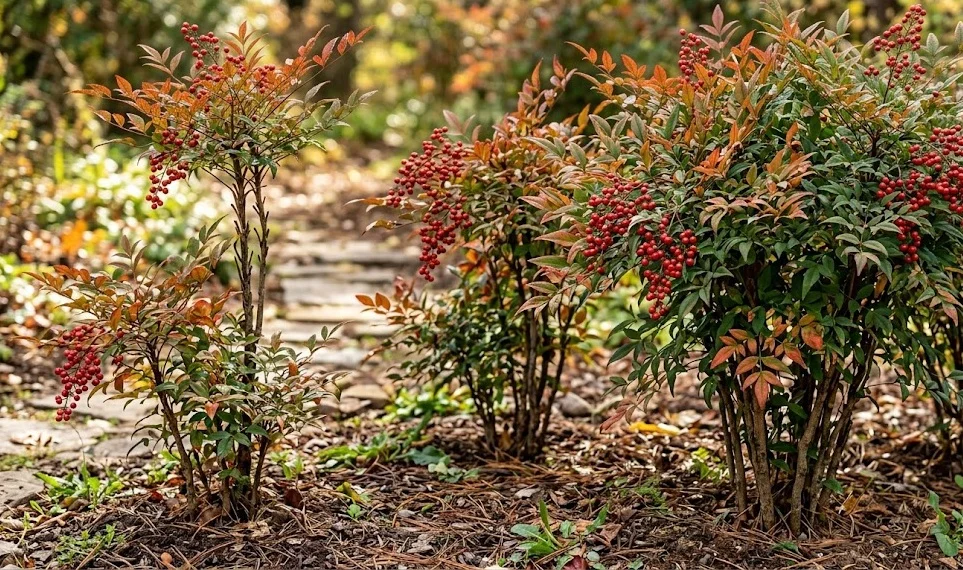
The natural form of this shrub is one of its greatest assets, characterized by multiple upright stems that resemble the growth pattern of actual bamboo. Your pruning should aim to enhance this structure by maintaining a balanced number of stems of varying ages and heights. You should avoid the temptation to use hedge trimmers to create a flat or rounded shape, as this destroys the plant’s elegant texture and promotes a “shell” of foliage with a hollow interior. Instead, use hand pruners to selectively remove individual stems all the way to the ground or back to a major junction.
More articles on this topic
Removing the oldest stems—those that are the thickest and most woody—is the best way to stimulate the plant to produce new shoots from the root crown. You should aim to remove about one-third of these older canes every two or three years to keep the plant in a state of constant renewal. This “one-third rule” is a professional standard that ensures the plant remains vigorous without being overwhelmed by a single, massive pruning event. The result is a shrub that always looks young and full of life, regardless of its actual chronological age.
Controlling the height of the shrub can be achieved by cutting back the tallest stems to a point where a side branch is growing. This directs the plant’s energy into the side growth and prevents it from becoming too “leggy” or top-heavy over time. You should always make your cuts just above a node or a set of leaves to encourage the plant to branch out naturally. If you consistently cut to the same height every year, the plant may develop a knotted appearance, so varying the height of your cuts is a more professional technique.
Maintaining the width of the plant is also important, especially if it is growing in a confined space near a walkway or another shrub. You can selectively remove the outward-growing stems to keep the plant within its allotted footprint without ruining its overall aesthetic. If the shrub has become too wide and crowded, thinning out the interior stems first will often solve the problem and improve the plant’s health at the same time. A well-pruned heavenly bamboo should look like it hasn’t been pruned at all, maintaining a natural and unforced appearance.
Rejuvenation and thinning
If you have inherited an old, overgrown shrub that has become a tangled mess of woody stems, a more aggressive rejuvenation pruning may be necessary. You can cut the entire plant back to within six inches of the ground in the early spring, which will force a massive flush of new growth from the roots. While this can be a scary process for the amateur gardener, it is a proven professional method for “resetting” a plant that has lost its ornamental value. Within one or two growing seasons, the plant will return as a dense, colorful, and much more manageable specimen.
More articles on this topic
Thinning out the center of the plant is an essential task for improving light penetration and airflow, which are both vital for long-term health. You should look for stems that are crossing or rubbing against each other and remove the weaker or less attractive of the two. This reduces the risk of physical damage to the bark and prevents the buildup of humidity that can lead to fungal diseases like powdery mildew. A plant that is open and airy in the middle will produce healthier foliage throughout its entire structure, not just on the outer surface.
Removing the spent flower clusters and berries is a form of light pruning known as “deadheading” that can improve the plant’s appearance in the late winter. While many people enjoy the look of the dried berries, removing them before the new growth starts will give the plant a cleaner look for the spring. You can simply snip off the old fruit stalks at the point where they emerge from the foliage. This also prevents the plant from spending energy on seed production and allows it to focus entirely on its new leaves and stems.
Observing the plant’s response to your pruning will help you refine your technique and timing in future years. Some varieties may grow more vigorously than others, requiring slightly more frequent attention to keep them in their ideal shape. You will find that regular, light maintenance is much easier and better for the plant than infrequent, heavy-duty pruning sessions. Developing a “gardener’s eye” for the structure of your shrubs will make the process of pruning one of the most rewarding and creative tasks in your garden routine.
Timing and tool maintenance
The physiological state of the plant during the late winter makes it the perfect time for pruning, as the sap is not yet flowing heavily. This minimizes the stress on the plant and reduces the amount of “bleeding” from the cut stems, which can attract pests or pathogens. By pruning just before the spring surge, you are aligning your actions with the plant’s natural growth cycle for the most efficient recovery. You should avoid pruning in the late autumn, as the fresh cuts can be damaged by winter cold and may stimulate growth that cannot survive the frost.
Keeping your pruning tools sharp is a professional requirement that ensures every cut is clean and the plant can seal the wound quickly. A dull blade will tear the bark and crush the delicate vascular tissues, leading to a much slower healing process and a higher risk of disease. You can easily sharpen your bypass pruners with a small diamond file or whetstone in just a few minutes. Taking pride in the condition of your tools is a reflection of your dedication to the health and beauty of your garden.
Sanitation is just as important as sharpness when it comes to professional tool maintenance and disease prevention. You should always wipe your blades with a solution of 70% isopropyl alcohol or a 10% bleach solution after pruning each plant. This simple habit prevents the accidental spread of fungal spores or bacteria from an infected plant to a healthy one. It is a professional standard that can save you a lot of trouble and expense by preventing garden-wide outbreaks of common diseases.
Storing your tools in a dry, protected place and applying a light coat of oil to the metal parts will prevent rust and keep them working smoothly for years. Pruning is a physical task, and having tools that operate without sticking or jamming makes the work much more enjoyable and precise. When you take care of your tools, they take care of your plants, creating a cycle of professional excellence in your garden. By following these guidelines for pruning and tool care, you can ensure that your heavenly bamboo remains a vibrant and healthy centerpiece of your landscape.