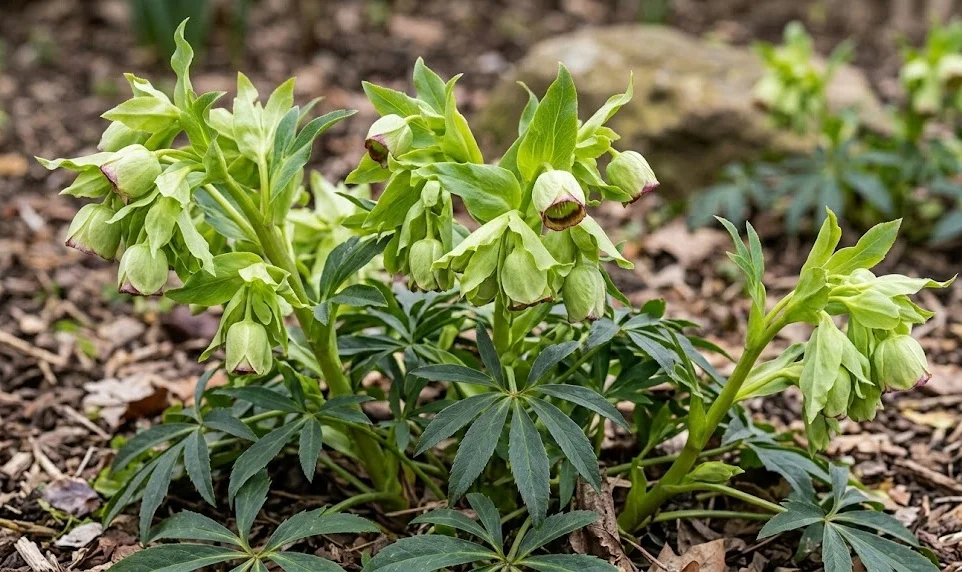

Protecting your ornamental landscape from potential health threats requires a proactive stance on disease identification and pest management. Although the stinking hellebore is inherently tough and naturally toxic to many common garden intruders, it remains susceptible to specific seasonal pathogens and pests. Recognizing early warning signs allows you to implement targeted cultural and organic interventions before structural damage occurs. This comprehensive overview provides the diagnostic tools and practical solutions needed to keep your plants disease-free.
Common fungal infections and black spot management
Maintaining the health of stinking hellebore involves a proactive approach to identifying and managing common fungal diseases. The most prevalent and destructive fungal issue affecting this species is black spot disease, which manifests as dark, irregular blemishes on leaves and stems. This pathogen thrives in cool, damp conditions, spreading rapidly through splashing raindrops or overhead irrigation water. Recognizing the early symptoms allows you to intervene before the infection compromises the structural integrity of the entire plant.
The symptoms typically begin as small, water-soaked spots on the older foliage near the base of the plant. Over time, these spots enlarge, turn charcoal black, and develop concentric rings that resemble a target pattern. Affected leaves eventually turn yellow, wither, and die prematurely, leaving the plant looking thin and structurally weakened. If left unchecked, the fungus can move into the flowering stems, ruining the beautiful winter blossom display completely.
Effective management begins with strict garden hygiene and the immediate removal of all symptomatic plant tissue. Use sharp, sterilized pruning shears to cut away infected leaves as soon as you spot them during your regular inspections. It is crucial to collect and dispose of these trimmings in the trash rather than adding them to your compost pile. Composting often fails to reach the high temperatures required to kill the persistent fungal spores completely.
Improving air circulation around the crown of the plant is another highly effective preventive strategy against black spot. Avoid overcrowding your planting beds, and prune back any overhanging vegetation that blocks airflow or traps humidity. Applying a clean layer of mulch around the base helps prevent fungal spores overwintering in the soil from splashing back up onto the leaves. In severe cases, applying an organic copper-based fungicide in late autumn can help protect new growth from infection.
More articles on this topic
Preventative measures against root rot pathogens
Root rot represents a significant subterranean threat that is almost always caused by poorly drained soil or excessive watering. Various soil-borne fungi, such as Phytophthora, thrive in waterlogged conditions where oxygen levels are severely depleted. These destructive pathogens attack the fleshy root system, causing it to decay and lose its ability to transport water and nutrients. Preventing this condition is infinitely easier than treating it once the root system has begun to collapse.
The above-ground signs of root rot can easily confuse gardeners, as they closely mimic the symptoms of severe drought stress. The entire plant may wilt dramatically, and the foliage will often turn a dull yellow or sickly brown color. However, unlike a thirsty plant, a specimen suffering from root rot will not revive after being watered. Gently scraping away a bit of soil near the base will reveal slimy, black roots instead of healthy, firm white ones.
To prevent this fatal condition, you must ensure your planting location features exceptional drainage characteristics from the absolute beginning. If you discover an established plant struggling in waterlogged soil, immediate relocation to a better spot is its only chance for survival. Carefully lift the plant, trim away any rotted, mushy roots with sterilized tools, and replant it into amended, airy soil. Reduce your watering frequency significantly, allowing the remaining root system time to recover and regenerate in a healthier environment.
Incorporating beneficial soil microbes through organic compost can also help naturally suppress harmful root rot pathogens. Healthy soil biology creates a competitive environment that makes it difficult for destructive fungi to dominate the root zone. Avoid applying heavy, dense mulches directly against the stems, as this traps moisture right against the vulnerable crown tissue. By maintaining a well-aerated soil structure, you eliminate the specific conditions that these dangerous pathogens require to thrive.
More articles on this topic
Identifying and controlling destructive insect pests
While this perennial is generally highly resistant to insects due to its natural toxicity, certain pests can still cause occasional problems. Aphids are the most common insect visitors, appearing in dense clusters on the tender new growth and developing flower buds in early spring. These tiny, sap-sucking insects drain the plant’s energy, causing leaves to curl, distort, and become visually unappealing. They also excrete a sticky substance known as honeydew, which can attract ants and encourage the growth of black sooty mold.
Controlling an aphid infestation can often be achieved using simple, non-chemical methods that preserve beneficial garden insects. A strong blast of water from a garden hose can physically dislodge aphid colonies from the stems and leaves quite effectively. Introducing or encouraging natural predators like ladybugs, lacewings, and hoverflies provides excellent long-term biological control within your garden. For persistent infestations, spraying the affected areas with an organic insecticidal soap or neem oil solution works beautifully.
Slugs and snails represent another common pest nuisance, particularly during damp spring nights when new shoots are emerging. These nocturnal creatures chew ragged holes in the tender foliage and can completely decimate young seedlings if left unmanaged. You can identify their presence by the shiny silver slime trails they leave across the leaves and surrounding soil. Protecting your plants involves creating physical barriers, using organic iron phosphate slug pellets, or setting up simple beer traps.
Regularly clearing away large accumulations of dead leaves and debris from around the base of the plant removes insect hiding spots. Inspecting your plants in the evening with a flashlight allows you to hand-pick slugs and snails directly from the foliage. This direct, hands-on approach is highly effective for protecting individual prized specimens without introducing chemicals. Keeping the immediate perimeter tidy and well-ventilated naturally discourages pests from setting up home near your hellebores.
Wildlife browsing and physical garden protection
One of the greatest advantages of cultivating this species is its exceptional natural resistance to mammalian herbivores. The entire plant contains high concentrations of toxic alkaloids and glycosides, making it highly unpalatable to browsing wildlife. Deer and rabbits, which frequently decimate other ornamental garden plants, will almost always avoid eating this pungent perennial entirely. This built-in defense mechanism makes it an invaluable asset for rural gardens or landscapes bordering wooded wild areas.
However, even though wildlife will not eat the foliage, they can still cause physical damage through collateral activities. For instance, curious animals might occasionally trample the brittle stems while navigating through your garden beds in search of other food. Foraging birds or squirrels might also disturb the soil around newly planted specimens while burying nuts or searching for insects. Understanding these non-consumption risks helps you implement appropriate physical protection strategies to keep your plants intact.
Installing small, decorative wire cages or low borders around young plants can protect them from being stepped on by larger animals. These physical barriers provide a safe zone while the specimen establishes its root system and gains structural strength. Once the plant reaches its full mature size, its dense structure becomes much more resilient to minor physical disturbances. Placing heavy stones around the base can also prevent squirrels from digging up the soil and exposing the shallow roots.
If you notice birds picking at the developing seed pods, it is usually a sign that they are harvesting the nutritious seeds. While this does not harm the plant itself, it can disrupt your plans if you intend to harvest the seeds for propagation. Covering the fading flower heads with small mesh bags allows you to collect the seeds safely while keeping wildlife at bay. Embracing these simple physical protections allows your garden to coexist harmoniously with local wildlife while preserving plant health.
Integrated pest management for long-term health
Adopting an integrated pest management philosophy ensures your plants remain healthy and vibrant without relying on harsh chemical solutions. This holistic approach combines cultural, biological, and physical strategies to keep pest populations at manageable, non-destructive levels. By focusing on creating a robust, unstressed plant, you naturally increase its inherent resistance to both diseases and insects. A healthy plant growing in ideal conditions possesses remarkable self-defense mechanisms that allow it to withstand minor pest pressures.
Regular monitoring is the cornerstone of effective management, allowing you to detect potential issues before they become full-blown crises. Dedicate a few minutes each week to inspecting the undersides of leaves, the interior crown, and the soil surface around your plants. Catching a small colony of aphids or a few fungal spots early makes eradication simple and straightforward. It also prevents the need for drastic interventions that could potentially disrupt the wider ecosystem of your garden.
Supporting biodiversity in your landscape creates a natural system of checks and balances that controls pest populations automatically. Planting a variety of nectar-rich flowers nearby attracts predatory insects, birds, and amphibians that feed on common garden pests. Avoid using broad-spectrum synthetic pesticides, as these chemicals kill beneficial insects just as effectively as the pests you are targeting. Preserving this natural ecological balance is the most sustainable way to protect your garden over the long term.
When an issue does arise, always choose the least toxic management option first, such as manual removal or structural adjustments. Only escalate to targeted organic treatments, like insecticidal soaps or copper sprays, when cultural methods prove insufficient to save the plant. Documenting your pest observations and successful treatments helps you build valuable knowledge for future growing seasons. This thoughtful, disciplined approach results in a thriving garden ecosystem where your stinking hellebores can truly shine.