
Light exposure is a critical environmental factor that directly dictates the foliage quality and flowering potential of woodland perennials. Navigating the specific light requirements of the stinking hellebore involves finding the perfect balance between protective shade and energizing filtered sunlight. Improper placement can lead to leaf discoloration or diminished blooms, compromising the plant’s architectural value within your design. This expert guide examines how to optimize light conditions to maintain deep green, healthy specimens.
The ideal balance of shade and filtered sunlight
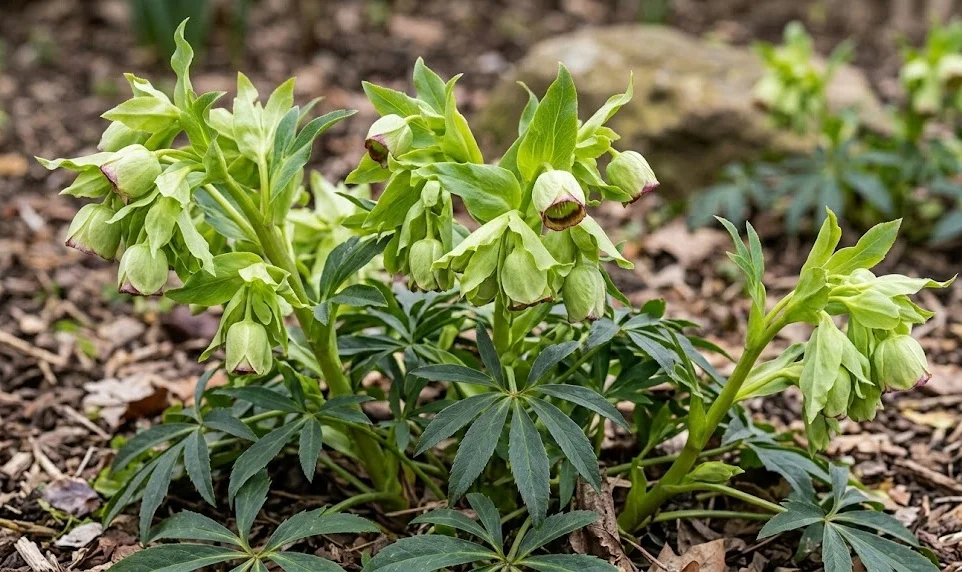
Understanding the exact light preferences of stinking hellebore is fundamental to achieving vibrant growth and abundant winter blooms. This fascinating perennial is naturally adapted to life beneath the shifting canopies of deciduous forests and woodland borders. In a domestic garden setting, it performs best when provided with partial shade or beautifully filtered sunlight throughout the day. Striking this ideal balance ensures the foliage remains deep green and healthy without suffering from environmental stress.
Morning sunlight is generally highly beneficial, as the cool temperatures allow the plant to photosynthesize efficiently without losing excessive moisture. The gentle early rays illuminate the chartreuse blossoms beautifully, creating a stunning visual display in the early hours. However, protection from the harsh, direct midday and afternoon sun is absolutely crucial, especially during the peak summer months. Intensely bright sunlight combined with high temperatures can quickly bleach the rich green pigments from the leathery leaves.
Dappled shade, such as the light created by mature ornamental trees or large shrubs, represents the absolute gold standard for this species. This lighting condition mimics its native European habitats perfectly, allowing brief periods of soft light to reach the foliage. Under these conditions, the plant develops a beautifully compact, sturdy habit with strong, upright stems that do not require support. The leaves maintain their characteristic glossy finish, providing excellent structural value to the garden design all year.
When selecting a spot, observe how the patterns of light and shadow shift across your garden during different seasons. A location that is perfectly shaded in summer might receive full winter sun after the surrounding deciduous trees drop their leaves. Fortunately, this seasonal increase in winter light is highly beneficial, as it provides the energy required to develop flower buds. Aligning your planting choices with these natural seasonal light shifts creates a highly successful and low-maintenance garden feature.
More articles on this topic
Adapting to deep shade and woodland conditions
While partial shade is ideal, this remarkably resilient perennial also possesses a strong capability to adapt to deeper shade environments. In areas where dense evergreen trees or architectural structures block most direct sunlight, many ornamental plants will fail to survive. This species, however, can handle these challenging conditions gracefully, making it an invaluable tool for problem-solving in dark landscape corners. Understanding how deep shade affects its growth habit allows you to manage your expectations and care routines accordingly.
In deep shade settings, the growth rate of the plant will naturally slow down compared to specimens receiving more light. The entire clump may take a few more seasons to reach its full mature height and spread within the landscape. The foliage will often develop an exceptionally dark, rich green color as it produces extra chlorophyll to capture every available photon. This deep, dramatic coloration can be used to create spectacular contrast against lighter elements in your garden design.
Flower production may be slightly reduced in very dark locations, with fewer blossom clusters emerging during the winter months. The individual flower stalks might also stretch slightly toward the nearest light source, creating a more relaxed, asymmetrical silhouette. To counteract this natural tendency, ensure the plant is not competing heavily with aggressive surface roots for nutrients and moisture. Providing high-quality compost helps compensate for the lack of light by optimizing root health and overall plant vigor.
Avoid planting in completely dark, stagnant courtyards where there is zero air movement or reflected light available. Some degree of ambient light is always necessary for basic plant survival and to maintain structural integrity over time. Combining your hellebores with other shade-tolerant structural elements, like ferns or hostas, creates a lush, layered woodland aesthetic. Embracing the unique qualities of deep shade allows you to transform forgotten garden corners into beautiful, low-maintenance sanctuaries.
More articles on this topic
Managing unexpected sun exposure and leaf scorch
Sudden shifts in your garden landscape can sometimes expose a shade-loving plant to unexpected and potentially damaging levels of direct sunlight. For instance, a mature overhanging tree branch might break during a storm, or a neighboring structure might be removed entirely. When this species is suddenly subjected to intense, unaccustomed sunlight, it can suffer from acute physiological stress. Recognizing the early symptoms of sun overload allows you to take protective action before permanent damage occurs to the foliage.
The most common indicator of excessive sun exposure is leaf scorch, which appears as bleached, yellow, or papery brown patches on the leaves. These damaged areas typically develop on the upper surfaces of the foliage that receive the most direct exposure to the sun. The edges of the deeply divided leaves may curl downward or become brittle and dry to the touch. If left unaddressed, the plant’s overall vitality will decline rapidly as its ability to photosynthesize is severely compromised.
If relocation is not immediately possible, providing temporary artificial shade is an excellent way to protect the stressed plant. You can construct a simple shade screen using lightweight garden cloth attached to wooden stakes positioned on the sunward side. Increasing your watering frequency during this adjustment period helps the plant cope with the increased evaporation rates caused by sun exposure. Applying a thicker layer of mulch around the base keeps the root zone cool and moist despite the increased heat.
Over time, an established plant may develop a degree of tolerance to increased light if the transition occurs gradually. The new leaves that emerge the following spring will naturally be adapted to the brighter conditions, often appearing slightly thicker and more compact. However, if the foliage continues to burn and look unhealthy season after season, moving the plant is the best option. Transferring the specimen to a more suitable, shaded location restores its health and preserves its structural beauty for the long term.