
Chilean avens is a hardy, clump-forming perennial valued for its brightly colored flowers, neat foliage, and long garden season. It performs particularly well in mixed borders, cottage gardens, pollinator plantings, and naturalistic schemes where its upright stems can rise above lower-growing companions. Although the plant is generally undemanding, its best flowering and longest lifespan depend on suitable soil, balanced moisture, and timely maintenance. With attentive care, an established clump can remain attractive and productive for many years.
Understanding its growth habit and garden needs
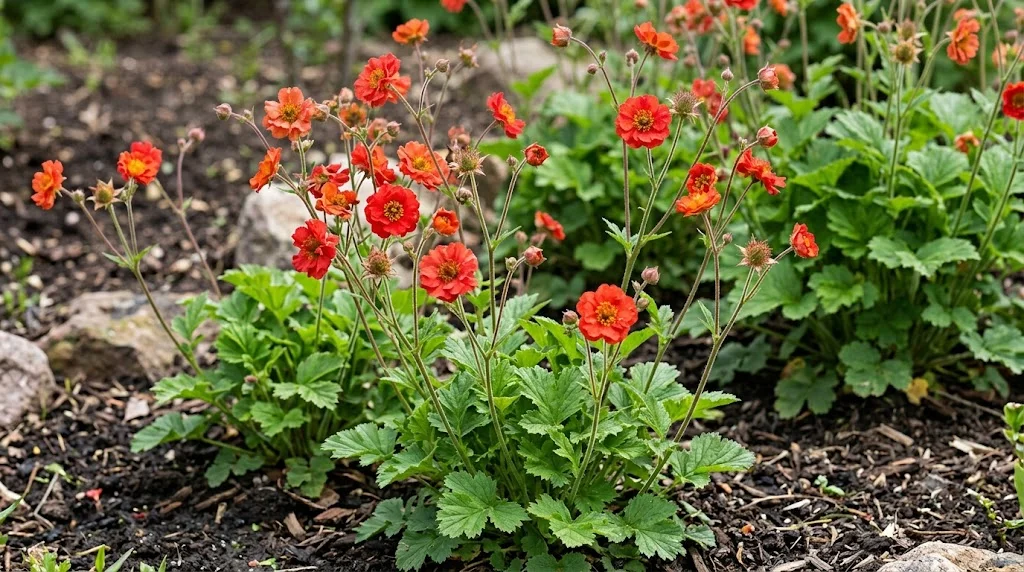
Chilean avens develops a basal rosette of textured, often slightly hairy leaves from a compact perennial crown. Flowering stems emerge from this crown during the growing season and carry single, semi-double, or double blooms, depending on the cultivar. Mature plants usually form rounded clumps rather than spreading aggressively through the border. This restrained habit makes them easy to combine with other herbaceous perennials without constant containment.
The plant naturally prefers temperate conditions and generally tolerates cold winters better than prolonged heat combined with drought. It begins active growth in spring, flowers from late spring into summer, and may produce a smaller second flush if spent blooms are removed. In mild climates, some foliage may remain visible through winter, while colder conditions often cause the plant to die back more completely. Understanding this seasonal rhythm helps prevent unnecessary intervention when the crown is merely dormant.
Good air movement is beneficial because dense, humid growth can encourage leaf spotting and crown problems. The plant should not be crowded tightly between vigorous neighbors that block light and trap moisture around its base. A little open space also allows its arching flowering stems to develop without becoming tangled. Even so, Chilean avens looks most natural when planted in small groups rather than as isolated specimens.
Root competition should also be considered when choosing companion plants. Large shrubs, mature trees, and strongly spreading perennials may deprive the plant of both water and nutrients. Better neighbors include compact ornamental grasses, hardy geraniums, salvias, campanulas, catmint, and other perennials with compatible moisture needs. Thoughtful placement reduces stress and allows the plant to display its flowers clearly.
More articles on this topic
Creating suitable soil conditions
Chilean avens grows best in fertile, humus-rich soil that retains moderate moisture without remaining waterlogged. A loamy soil is ideal because it combines nutrient-holding capacity with sufficient drainage and aeration. Heavy clay can be improved by incorporating mature compost and fine gravel where drainage is particularly slow. Sandy soil benefits from generous additions of organic matter to reduce rapid drying.
Soil drainage is especially important around the perennial crown. Water that remains around the roots for long periods excludes oxygen and increases the risk of root and crown decay. Before planting, observe whether rainwater disappears within a reasonable period or forms persistent puddles. In poorly drained gardens, a slightly raised bed may be more effective than repeatedly trying to correct the soil with small amendments.
The preferred soil reaction is mildly acidic to neutral, although the plant tolerates a reasonably broad range. Extremely acidic or strongly alkaline conditions can limit the availability of certain nutrients. A soil test is useful when growth remains weak despite apparently suitable watering and feeding. Correcting the underlying soil condition is more effective than repeatedly applying fertilizer without understanding the cause.
Organic mulches improve soil structure and help maintain even moisture around established plants. Apply a modest layer of compost, leaf mold, or well-rotted organic material in spring. Keep the mulch slightly away from the crown so that the central growing point remains dry and well ventilated. Thick, wet mulch pressed against the plant can create ideal conditions for rot and slug activity.
More articles on this topic
Supporting healthy spring growth
Spring care begins with inspecting the crown as new leaves emerge. Remove collapsed winter foliage, dead stems, and any decaying material that has accumulated around the plant. This cleanup improves airflow and makes it easier to see whether the crown is healthy. Use clean, sharp tools to avoid tearing young shoots or spreading disease between plants.
A light application of compost around the root zone provides gradual nutrition as growth accelerates. Where soil fertility is low, a balanced slow-release fertilizer can be added at the recommended rate. Excessive feeding should be avoided because it encourages soft, leafy growth at the expense of sturdy flowering stems. Overfed plants may also become more attractive to sap-feeding pests.
Spring is an appropriate time to divide congested clumps that have lost vigor or developed an open center. Lift the plant carefully, separate healthy outer sections, and discard woody or damaged central material. Replant divisions promptly at the same depth as the original crown. Water thoroughly to settle the soil around the roots and reduce transplant stress.
Monitor spring moisture closely, especially after division or planting. The upper soil may dry quickly during bright, windy weather even when temperatures remain cool. Newly disturbed roots cannot yet draw water from a wide area, so consistent moisture is essential. Avoid keeping the soil saturated, but do not allow young plants to wilt repeatedly.
Maintaining flowers through summer
During flowering, Chilean avens benefits from regular removal of faded blooms. Cut each spent stem back to a healthy leaf or side shoot rather than leaving a bare stalk above the foliage. This redirects energy away from seed production and can encourage additional buds. It also keeps the clump looking fresh and prevents old petals from collecting on damp leaves.
Water deeply during dry periods so moisture reaches the active root zone. Frequent shallow sprinkling encourages roots to remain close to the surface, where they are more vulnerable to heat and drought. Apply water near the base of the plant instead of routinely wetting the foliage. Morning irrigation is preferable because any splashed leaves can dry during the day.
Tall-flowering cultivars may need discreet support in exposed gardens. Circular plant supports or short twiggy branches can be positioned early, allowing the stems to grow naturally through them. Support added only after the stems have fallen often looks artificial and may damage the plant. Choosing a sheltered but well-ventilated site can reduce the need for staking.
A temporary pause in flowering during very hot weather is not always a sign of poor care. Chilean avens often performs best in the cooler parts of the growing season and may slow down when nights remain warm. Continue to provide even moisture without forcing growth with heavy fertilizer. As conditions moderate, healthy plants may resume flowering naturally.
Preparing the plant in autumn
Autumn is a useful time to evaluate the overall condition of each clump. Remove remaining flower stems when they no longer produce attractive blooms or useful seed heads. Diseased or badly damaged foliage should also be taken away rather than left around the crown. Healthy leaves can remain until they naturally decline because they continue feeding the roots.
Plants that have become overcrowded can be divided in early autumn where winters are not severe. The soil should still be warm enough for new roots to develop before hard frost. In colder regions, spring division is generally safer because newly planted sections may otherwise be lifted by frost. Local climate should therefore guide the timing rather than a fixed calendar date.
A thin top-dressing of mature compost can be applied after the main growing season. This organic material protects soil structure and releases nutrients gradually. Avoid high-nitrogen fertilizer in autumn because it may stimulate tender growth that cannot harden before winter. The goal is to support the root system, not to produce new foliage.
Check drainage before the wettest season begins. Fallen leaves, dense mulch, and compacted soil can divert water toward the crown or slow its movement through the bed. Clear blocked drainage channels and loosen only the surrounding soil surface without damaging roots. Preventing winter saturation is one of the most valuable forms of autumn care.
Growing Chilean avens in containers
Container-grown Chilean avens requires a pot with several unobstructed drainage holes. A broad, stable container is preferable because flowering stems can become top-heavy in wind. Use a high-quality peat-free potting mix blended with additional loam or fine grit for structural stability. The mixture should hold moisture while allowing excess water to escape freely.
Potted plants dry faster than those growing in open ground, particularly during sunny or windy weather. Check moisture by feeling below the surface rather than judging only by the appearance of the top layer. Water until liquid begins to drain from the base, then empty any saucer or decorative outer pot. Constantly standing water can damage the roots even during warm weather.
Nutrients are depleted more quickly in containers because the root system occupies a limited volume of compost. Apply a controlled-release fertilizer in spring or use a dilute liquid feed during active flowering. Do not exceed the recommended concentration, as salts can accumulate and scorch roots. Occasional thorough watering helps flush excess mineral residues from the growing medium.
Repot the plant when roots circle densely around the container or growth becomes noticeably weak. This is usually needed every two or three years, depending on pot size and cultivar vigor. Divide the clump if necessary and replant only healthy sections in fresh growing medium. A manageable division often performs better than placing the entire congested root mass into a slightly larger pot.
Preserving long-term vigor
Mature Chilean avens clumps often decline when the central crown becomes old and woody. Flowering may decrease, stems may become weaker, and the center can appear hollow while growth continues around the edges. Division renews the plant by replacing the exhausted center with vigorous younger sections. Rejuvenation every three or four years is often enough under good conditions.
Consistent observation is more effective than reacting only after major damage appears. Check leaves, crowns, and flower stems whenever watering or deadheading. Early signs of stress may include pale foliage, distorted growth, premature wilting, or unexplained dieback. Correcting irrigation, crowding, or soil conditions early can prevent secondary disease problems.
Avoid repeated disturbance of the crown during the growing season. Deep hoeing near the plant can sever shallow roots and create wounds through which pathogens enter. Hand-weeding is safer immediately around the clump. A light organic mulch also suppresses many annual weeds without damaging the root system.
The most reliable care routine is based on balance rather than intensive intervention. Chilean avens needs adequate moisture but not saturation, useful nutrition but not excessive fertilizer, and sunlight without severe heat stress. It also benefits from occasional division, regular deadheading, and a clean crown. When these needs are met, the plant rewards the garden with dependable color, attractive foliage, and a naturally graceful form.