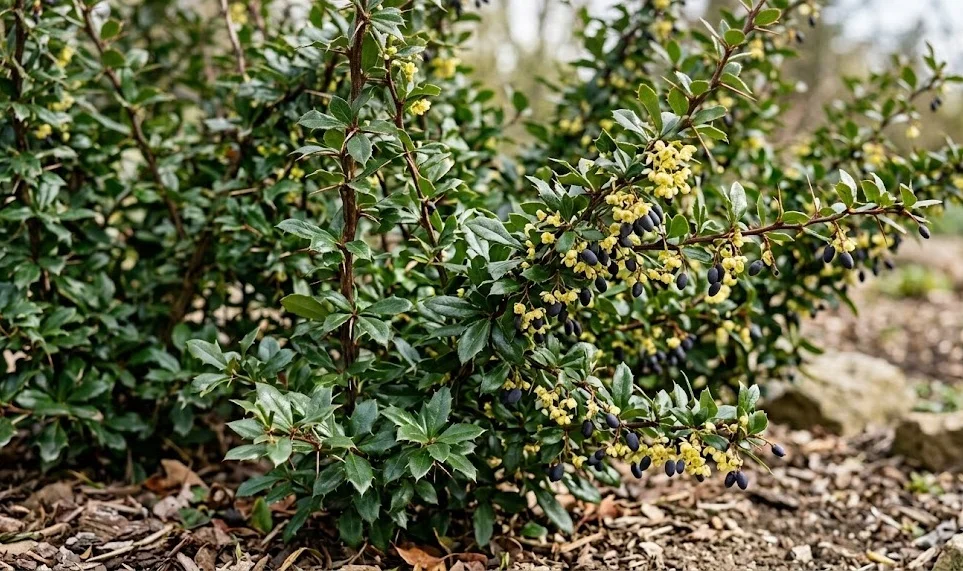

The Wintergreen barberry is generally regarded as a rugged and dependable shrub that resists many of the common ailments found in the garden. However, no plant is entirely immune to the pressures of nature, and various pathogens and insects can occasionally target even the toughest species. Understanding the specific threats that can affect this evergreen is the first step toward maintaining a pristine landscape. By learning to identify the early warning signs of trouble, you can intervene with professional precision and ensure that your plants continue to thrive for years to come.
Preventative care is always the most effective strategy when it is comes to managing the health of your barberry shrubs. Most diseases are opportunistic, taking advantage of plants that are already stressed by poor drainage, inadequate light, or mechanical damage. Ensuring that your shrubs are planted in the right conditions and receiving proper nutrition will go a long way toward building their natural immunity. A healthy barberry has a thick cuticle on its leaves and a strong vascular system, both of which serve as formidable barriers against many types of infection.
Regular inspections are a vital part of your gardening routine, especially during the transition between seasons when pests are most active. You should take a moment to look closely at the foliage, the underside of the leaves, and the main stems for any unusual spots, growths, or crawling visitors. Because the Wintergreen barberry has such dense growth, problems can sometimes hide deep within the canopy until they are well-established. Using a flashlight to peer into the center of the shrub can reveal issues that might otherwise be missed during a casual walk-through of the garden.
When you do encounter a problem, it is important to identify the cause accurately before reaching for a chemical solution. Many “pests” in the garden are actually beneficial insects that are there to eat the real troublemakers, and using broad-spectrum sprays can do more harm than good. A professional approach involves a graduated response, starting with the least invasive methods and moving to more intensive treatments only when necessary. This balance between intervention and natural equilibrium is the key to a sustainable and beautiful garden environment.
Identifying common fungal diseases
One of the most frequent issues faced by barberry growers is powdery mildew, a fungal infection that appears as a white, flour-like dusting on the leaves. While it rarely kills the plant, it can significantly detract from its beauty and, if left unchecked, can reduce its overall vigor by interfering with photosynthesis. This fungus thrives in warm, humid conditions with poor air circulation, making it more common in late summer or in very dense plantings. You can often manage mild cases by simply thinning out the branches to improve airflow and ensuring the foliage remains dry during watering.
More articles on this topic
Leaf spot diseases are another common fungal concern, manifesting as small, dark brown or black spots on the foliage that may eventually develop a yellow halo. These pathogens are usually spread by splashing water or wind-blown spores during periods of prolonged rain or high humidity. If the infection becomes severe, the affected leaves may turn yellow and drop prematurely, leaving the shrub looking sparse and unhealthy. To control leaf spot, it is essential to remove and destroy any fallen leaves from around the base of the plant, as these serve as a reservoir for spores over the winter.
Rust is a more specific type of fungal infection that can occasionally be found on various barberry species, though many modern cultivars have been bred for resistance. It typically appears as bright orange or yellow pustules on the underside of the leaves, which can eventually lead to leaf distortion and drop. Interestingly, some types of barberry are alternate hosts for wheat rust, a serious agricultural disease, which has led to strict regulations in some regions regarding which species can be planted. Always check local guidelines to ensure you are planting a variety that is safe for your specific area.
Root rot is perhaps the most dangerous fungal issue, as it attacks the plant below the surface where it cannot be easily seen. This is almost always a result of poor drainage or overwatering, which allows soil-borne fungi like Phytophthora to thrive and destroy the root system. A plant with root rot will often wilt as if it needs water, but its leaves will turn a dull yellow or brown and eventually the entire branch may die back. The only way to prevent this is to ensure proper site selection and to avoid letting the shrub sit in “wet feet” for extended periods.
Dealing with insect pests
Aphids are small, soft-bodied insects that are frequently found on the tender new growth of barberry shrubs in the spring. They feed on the plant’s sap, which can cause the young leaves to curl, twist, or become stunted in their development. As they feed, they excrete a sticky substance called honeydew, which can attract ants and provide a medium for the growth of unsightly black sooty mold. In most cases, a strong jet of water from a garden hose is enough to dislodge the aphids, or you can use a gentle insecticidal soap for more stubborn colonies.
More articles on this topic
Scale insects are another potential threat, appearing as small, immobile bumps on the stems or the undersides of the leaves. These pests are often overlooked because they do not look like traditional insects, but they can slowly sap the energy of the shrub if they are allowed to multiply. Because they are protected by a hard outer shell, they can be difficult to treat with standard contact sprays once they are mature. The most effective time to manage scale is during their “crawler” stage in early summer or by using a dormant oil spray in the late winter to suffocate them.
The barberry looper or various types of caterpillars can occasionally feed on the foliage, leaving behind jagged edges or even skeletonized leaves. While a few caterpillars won’t do significant damage to a mature shrub, a large infestation can defoliate a young plant quite quickly. You can often simply hand-pick these pests off the plant if you only have a few specimens to look after. For larger hedges where manual removal is impractical, using a targeted biological control like Bt (Bacillus thuringiensis) can be very effective without harming other beneficial insects.
Spider mites are tiny arachnids that can become a problem during hot, dry spells when the plant is already under stress. They are too small to see with the naked eye, but their presence is often signaled by a fine, silken webbing between the leaves and a “stippled” or bleached appearance on the foliage. Mites thrive in dusty, dry conditions, so keeping your plants well-hydrated and occasionally rinsing the dust off the leaves can go a long way toward prevention. If an infestation occurs, specialized miticides or horticultural oils are usually required to bring the population back under control.
Integrated pest management techniques
Adopting an Integrated Pest Management (IPM) approach means using a variety of strategies to keep pest and disease levels below a damaging threshold rather than trying to achieve a completely sterile garden. The first step is monitoring, which allows you to catch problems early when they are easiest to solve. By understanding the life cycles of common pests, you can time your interventions to be as effective as possible while minimizing your impact on the environment. This professional mindset encourages a healthier, more resilient garden that requires fewer chemical inputs over time.
Encouraging natural predators is one of the most effective ways to manage pests without lifting a finger. Ladybugs, lacewings, and parasitic wasps are all voracious eaters of aphids, scale, and other common garden pests. You can attract these beneficial insects by planting a variety of flowering perennials nearby that provide them with nectar and pollen throughout the season. When you avoid using broad-spectrum insecticides, you allow these “garden guards” to establish their populations and do the hard work of pest control for you.
Proper sanitation is another critical pillar of disease management that is often overlooked by hobbyist gardeners. Many fungal spores and insect eggs overwinter in the leaf litter and dead wood at the base of your shrubs. By clearing away debris each autumn and pruning out any diseased branches as soon as you find them, you significantly reduce the “inoculum” for the following year. Always remember to disinfect your pruning shears with a solution of bleach or alcohol after working on a sick plant to prevent the accidental spread of pathogens to healthy specimens.
If chemical intervention does become necessary, always choose the most targeted and least toxic option available for the specific problem you are facing. For example, neem oil is a versatile organic choice that can act as both a fungicide and an insecticide for many common barberry issues. Always read the label carefully and apply treatments during the coolest part of the day to avoid “burning” the waxy leaves in the sun. By being a thoughtful and informed gardener, you can protect your Wintergreen barberry from its enemies while still fostering a thriving and diverse ecosystem.
Environmental and abiotic stressors
Not all “sick” appearances in a Wintergreen barberry are caused by living organisms; sometimes, the environment itself is the culprit. Winter burn is a common abiotic stressor that occurs when the cold, drying winds of winter pull moisture out of the evergreen leaves faster than the frozen roots can replace it. This results in brown, scorched-looking foliage on the side of the plant most exposed to the wind. Providing a windbreak or applying an anti-desiccant spray in late autumn can help protect the leaves from this physical damage during the harshest months.
Sunscald is another environmental issue that can affect the bark or leaves, especially on plants that have been recently moved or heavily pruned. If a part of the plant that was previously shaded is suddenly exposed to intense direct sunlight, the tissue can be damaged or “cooked” by the UV rays. This often manifests as bleached or papery patches on the leaves or cracks in the bark of the main stems. Gradual acclimatization and careful pruning that maintains some interior shade are the best ways to prevent this type of stress from occurring.
Salt damage is a specific concern for barberries planted near roads, sidewalks, or coastal areas where salt spray is common. Excessive salt in the soil can interfere with the plant’s ability to take up water, leading to symptoms that look very similar to drought or root rot. You may see “marginal necrosis,” where the very edges of the leaves turn brown and die, while the center remains green. If you live in an area where salt is used for de-icing, flushing the soil with plenty of fresh water in the spring can help wash away the accumulated minerals.
Finally, chemical drift from nearby lawn treatments or herbicides can cause dramatic and frightening symptoms in your barberry shrubs. This often appears as distorted, twisted new growth, or sudden and widespread yellowing that doesn’t follow a typical disease pattern. Always be cautious when applying chemicals to your lawn, especially on windy days, and ensure that your neighbors are also aware of the sensitivity of your ornamental plants. If drift occurs, there is little you can do but provide optimal care and wait for the plant to hopefully outgrow the damage in the following season.
Long-term health monitoring
Maintaining the health of a Wintergreen barberry is a marathon, not a sprint, and requires a commitment to long-term observation. As the plant ages, its needs and its vulnerabilities will change, and you must be prepared to adapt your care accordingly. A young shrub might struggle with aphids and transplant shock, while an older, more established specimen might be more susceptible to wood-boring insects or fungal decay in its older branches. By keeping a simple garden journal, you can track patterns of health and identify which times of year are most challenging for your specific location.
Soil health should be re-evaluated every few years, as the presence of certain pests or diseases can sometimes indicate a deeper imbalance in the ground. For example, if you find that you are constantly fighting powdery mildew, it may be a sign that the soil is too rich in nitrogen or that the plant is simply too crowded for its current spot. Adjusting the soil chemistry or moving the plant can often solve recurring health problems more effectively than any spray ever could. Professional gardening is about finding the root cause of an issue rather than just treating the symptoms.
Collaborating with local gardening experts or extension services can provide invaluable insights into regional outbreaks of pests or diseases. Nature is dynamic, and new threats can emerge or old ones can become more aggressive depending on the weather patterns of a particular year. Staying informed about local trends allows you to be on high alert for specific issues before they reach your garden. Being part of a wider community of plant lovers is one of the best ways to stay ahead of the curve when it is comes to plant protection.
In conclusion, while the Wintergreen barberry is a stalwart of the garden, it thrives best under the watchful eye of a dedicated caretaker. Your role is to act as a buffer between the plant and the various stressors it may encounter, providing the support it needs to stay strong. A well-cared-for barberry is not just a plant; it is a living sculpture that adds value, security, and beauty to your home for many years. With a blend of scientific knowledge and practical experience, you can ensure that your barberry remains a healthy and vibrant part of your landscape.