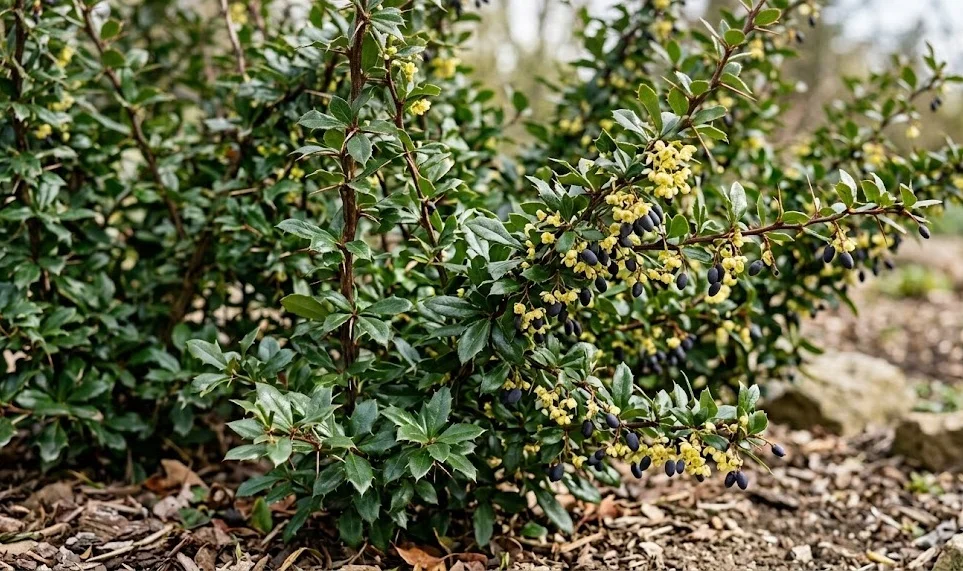

Proper hydration and nutrient management are the twin pillars of maintaining a vibrant and healthy Wintergreen barberry throughout its long life. While this species is renowned for its durability and ability to withstand neglect, a professional approach to its basic needs will result in much denser foliage and more consistent growth. Understanding how the plant interacts with water and soil chemistry allows you to create an environment where it doesn’t just survive, but truly excels. This guide explores the nuances of watering schedules and the strategic application of fertilizers to optimize the health of your barberry shrubs.
Establishing a watering routine is most critical during the first two years after a young barberry has been introduced to your garden. During this period, the root system is actively expanding into the surrounding soil and cannot yet tap into deeper moisture reserves. You should aim to keep the soil consistently moist but never saturated, as the fine roots need a balance of water and oxygen to grow. Once the plant has developed a robust and deep root network, its dependence on regular irrigation decreases significantly, making it an excellent choice for low-maintenance landscapes.
Fertilization should be viewed as a supplement to naturally healthy soil rather than a replacement for it. A Wintergreen barberry that is planted in nutrient-rich, well-structured earth may require very little additional feeding over the years. However, in urban soils or areas where the ground has been depleted of organic matter, a targeted fertilization program can prevent common issues like leaf yellowing or stunted growth. The goal is to provide the plant with the essential building blocks it needs for photosynthesis and cellular repair without overwhelming its natural growth rate.
Monitoring the plant’s response to your care is the best way to determine if your irrigation and fertilization levels are correct. Healthy barberries should have a lustrous, deep green sheen on their leaves and show several inches of new stem growth each spring. If you see signs of stress, such as premature leaf drop or a dulling of the foliage color, it is time to reassess your management practices. By staying in tune with the needs of the plant, you can adjust your interventions to match the changing weather patterns and the specific lifecycle of the shrub.
Efficient watering strategies
To water a Wintergreen barberry effectively, you must focus your efforts on the root zone rather than the foliage. Applying water directly to the base of the plant ensures that the moisture reaches the roots where it is needed most while keeping the leaves dry. This technique is particularly important for preventing fungal diseases, which thrive when water sits on the dense, waxy leaves for extended periods. A soaker hose or a drip irrigation system is often the most efficient way to deliver water slowly and deeply into the soil profile.
More articles on this topic
The frequency of watering should be dictated by the local climate, the type of soil you have, and the current season. In sandy soils that drain quickly, you may need to water more often than in clay-heavy soils that retain moisture for a longer duration. During the height of summer, a deep watering once or twice a week is usually sufficient for established plants, provided the water penetrates several inches down. It is always better to water deeply and less frequently than to provide shallow sprinkles every day, as deep watering encourages the roots to grow downward.
Mulching is an indispensable partner to your irrigation routine, as it helps to regulate soil temperature and significantly reduces evaporation. A three-inch layer of wood chips, bark, or compost around the base of the shrub acts as a protective blanket for the roots. This layer also prevents the soil from crusting over, which allows rainwater and irrigation to soak in more easily rather than running off the surface. Just be sure to keep the mulch a few inches away from the main stems to prevent moisture from trapped against the bark, which could lead to rot.
In the winter, watering is often overlooked, but it can be vital during “dry freezes” where the ground is frozen but the air is very dry. Evergreen plants like the Wintergreen barberry continue to lose moisture through their leaves even in the coldest months, a process known as transpiration. If the ground is dry before a hard freeze, providing a final deep watering can help the plant stay hydrated through the winter. This simple step can prevent the “winter burn” that often occurs when a plant cannot replace the moisture lost to cold, drying winds.
Understanding nutrient requirements
The Wintergreen barberry requires a standard array of macronutrients—nitrogen, phosphorus, and potassium—to maintain its structural health and aesthetic beauty. Nitrogen is primarily responsible for the lush, green growth of the leaves and stems, which is the most visible sign of a healthy plant. Phosphorus supports the development of a strong root system and aids in the production of the small yellow flowers that appear in spring. Potassium acts as a general health booster, improving the plant’s overall resistance to disease, drought, and temperature extremes.
More articles on this topic
In addition to these main components, several micronutrients play supporting roles in the metabolic functions of the shrub. Iron and magnesium are particularly important for the production of chlorophyll; a deficiency in these can lead to interveinal chlorosis, where the leaves turn yellow while the veins stay green. If you suspect a deficiency, a soil test is the most professional way to confirm exactly what is missing before you start adding supplements. Most high-quality garden fertilizers include these micronutrients in small amounts to ensure a well-rounded nutritional profile for your plants.
The pH of your soil heavily influences how easily your barberry can access the nutrients that are already present. This species prefers a slightly acidic to neutral soil, typically in the range of 6.0 to 7.0 on the pH scale. In highly alkaline soils, certain nutrients like iron become “locked up” and unavailable to the roots, regardless of how much fertilizer you apply. If your soil is naturally alkaline, you may need to use acidifying agents like elemental sulfur or pine needle mulch to bring the pH down into a more favorable range.
When selecting a fertilizer, you have the choice between synthetic pellets and organic amendments. Synthetic fertilizers offer a quick, predictable boost of nutrients and are very easy to apply accurately according to the plant’s size. Organic options, such as composted manure or fish emulsion, provide a slower release of nutrients and help to build the long-term health of the soil ecosystem. Many experienced gardeners find that a combination of both methods works best, using compost for baseline health and a light synthetic application for a spring growth spurt.
Timing and application of fertilizer
The most important rule for fertilizing a Wintergreen barberry is to time the application to coincide with the plant’s natural growth cycles. The best time for a primary feeding is in the early spring, just as you see the first signs of green appearing on the buds. This provides the necessary energy for the rapid expansion of foliage and the development of new woody stems that occurs in the following weeks. Applying fertilizer too early in the winter is wasteful, as the plant is dormant and the nutrients will likely wash away before they can be used.
A secondary, lighter application can be beneficial in early summer, especially if the plant is growing in a competitive environment like a crowded hedge. This mid-season boost helps the barberry maintain its deep green color and support the development of its small fruits. However, you should be careful not to over-apply, as excessive fertilizer can lead to weak, sappy growth that is more attractive to pests like aphids. Always water the soil thoroughly after applying granular fertilizer to help wash the nutrients down to the root level and prevent root burn.
One of the most common mistakes is fertilizing too late in the autumn, which can be detrimental to the plant’s winter survival. Nitrogen-rich fertilizers applied in late September or October can stimulate a flush of new, tender growth that does not have time to harden before the first frost. This soft tissue is easily killed by freezing temperatures, and the resulting dieback can serve as an entry point for disease in the spring. As a general rule, you should stop all supplemental feeding by the middle of August to allow the plant to prepare for its dormant phase.
For very large or old barberries, a “top-dressing” approach is often more effective than trying to work fertilizer deep into the soil. Simply spread your chosen nutrients evenly over the surface of the soil, starting a few inches from the trunk and extending out to the drip line of the branches. Rain and regular irrigation will gradually carry the dissolved nutrients down to the roots without disturbing the soil structure. This low-impact method mimics the natural way plants receive nutrition in the wild and is the safest way to maintain mature specimens.
Managing soil health for long-term vigor
The long-term health of your Wintergreen barberry is inextricably linked to the biological life within the soil. A healthy soil is more than just a collection of minerals; it is a living community of fungi, bacteria, and insects that break down organic matter and feed the roots. You can support this ecosystem by avoiding the excessive use of chemical pesticides and by regularly adding organic material to the surface. Earthworms, in particular, are great allies, as they aerate the soil and move nutrients deeper into the ground through their tunnels.
If you find that your soil has become compacted over time, which often happens in high-traffic areas or heavy clay, you may need to gently aerate the area around the shrub. Compaction prevents air and water from reaching the roots, leading to a slow decline in the plant’s health that can be hard to diagnose. Using a garden fork to carefully poke holes around the drip line can improve gas exchange and water penetration without causing significant damage to the roots. Following this up with a layer of compost is a great way to introduce new life into a tired soil bed.
In regions with high rainfall, some nutrients—particularly nitrogen—can “leach” out of the soil and leave the plant hungry despite your best efforts. In such cases, using a slow-release fertilizer or increasing the organic matter content of the soil is essential for holding onto those vital elements. Organic matter acts like a sponge, gripping the nutrients and releasing them only as the plant needs them. This creates a much more stable environment for the barberry, protecting it from the “boom and bust” cycles of nutrient availability.
Finally, always be mindful of the surrounding plants when you are managing the irrigation and fertilization of your barberry. Because these shrubs have wide-reaching root systems, they will often share the water and nutrients you provide with nearby perennials or lawn grass. If you are growing a barberry hedge next to a hungry lawn, you may need to provide slightly more resources to ensure the shrub isn’t being “out-competed” for food. A professional gardener looks at the whole landscape as an interconnected system where every intervention affects multiple players.
Recognizing irrigation and nutrient stress
Learning to read the visual cues of your Wintergreen barberry is a skill that will help you prevent major health issues before they become permanent. A plant that is suffering from chronic underwatering will often have leaves that look dull and lose their characteristic waxy luster. In extreme cases, the leaf edges may turn brown and crispy, or the plant may start dropping leaves from the interior of the canopy to conserve resources. These are desperate signals that the shrub needs a deep, immediate soaking to restore its internal water balance.
Conversely, overwatering can be even more dangerous because its symptoms often mimic those of drought, leading many gardeners to add even more water to an already drowning plant. When roots are kept in soggy soil, they begin to rot and lose their ability to take up water, causing the foliage to wilt and turn yellow. If you notice these signs and the soil feels wet to the touch several inches down, you must stop watering immediately and allow the area to dry out. In severe cases of root rot, you might need to improve the drainage of the site or even move the plant to a higher location.
Nutrient deficiencies also manifest in specific ways that can guide your fertilization choices. A nitrogen-deficient barberry will show a general paleness across the entire plant, with older leaves often turning yellow and falling off first. If the plant has enough water but simply isn’t growing at its usual rate, a lack of primary nutrients is the most likely culprit. Providing a balanced, quick-acting liquid feed can often produce a visible improvement in leaf color and vigor within just a week or two, confirming your diagnosis.
In contrast, an excess of certain nutrients can cause its own set of problems, such as “salt burn” from over-fertilizing with synthetic products. This typically appears as brown, scorched tips on the leaves and occurs when the concentration of minerals in the soil becomes too high for the roots to handle. If you suspect you have over-fertilized, the best course of action is to “flush” the soil with large amounts of clean water to wash away the excess salts. Understanding these stress signals allows you to act as a proactive steward of your garden, ensuring your Wintergreen barberry remains a stunning and healthy feature.