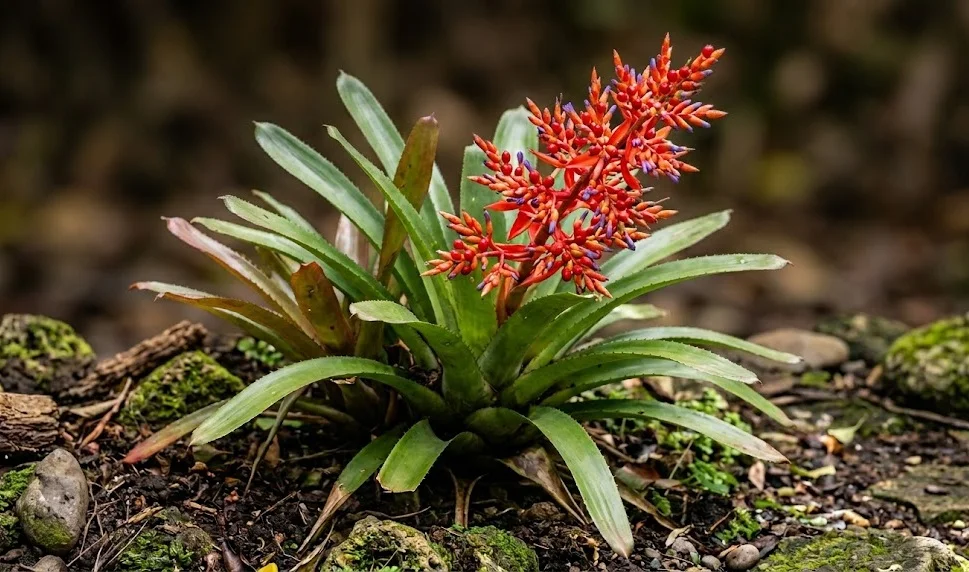

Maintaining the health of the coral berry bromeliad requires a vigilant eye and a proactive approach to pest and disease management. While these plants are relatively hardy compared to other tropical species, they are still susceptible to specific issues that can quickly compromise their structural integrity and aesthetic beauty. Most problems arise from environmental stressors, such as improper watering or poor air circulation, which create opportunities for pathogens and insects to thrive. Understanding the early warning signs and knowing how to intervene effectively is essential for any serious collector or professional grower.
Identifying common fungal and bacterial issues
Fungal infections are the most frequent health problem encountered with the coral berry bromeliad, often manifesting as spots or patches on the leaves. These fungi usually thrive in stagnant, humid environments where the air movement is insufficient to dry the leaf surfaces. You may notice small, water-soaked lesions that gradually turn brown or black and expand across the foliage. If left untreated, these fungi can spread to the central core of the plant, leading to a total collapse of the rosette.
Bacterial soft rot is another serious concern, particularly if the central tank is not flushed regularly or if the soil remains waterlogged. This condition is characterized by a foul-smelling, mushy decay at the base of the leaves or within the reservoir itself. Unlike fungal spots, which are often dry and localized, bacterial rot spreads rapidly through the plant’s vascular system. If you detect a rotten odor or see the center of the plant turning into a gelatinous mass, immediate surgical intervention is necessary to save the remaining healthy tissue.
The key to managing these biological threats is prevention through environmental control and strict sanitation practices. Ensure that your plants have adequate spacing to allow for consistent air circulation around the entire rosette. Avoid overhead watering that leaves the foliage wet for extended periods, especially during the cooler evening hours when evaporation is minimal. Keeping the central tank clean by flushing it with fresh water every two weeks will also remove the organic debris that fuels bacterial and fungal growth.
If you identify a localized infection, the first step is to isolate the affected plant from the rest of your collection to prevent the disease from spreading. Use a sterile knife to remove any infected leaves, making sure to cut into healthy tissue to ensure all the pathogen is removed. Treat the remaining plant with a professional-grade fungicide or a natural alternative like cinnamon powder on the cut surfaces. Monitoring the plant closely after treatment will help you determine if the infection has been successfully halted or if further measures are required.
More articles on this topic
Combatting root and tank rot
Root rot is perhaps the most insidious disease for the coral berry bromeliad because it occurs out of sight beneath the surface of the substrate. It is almost always caused by over-watering or using a potting medium that does not provide enough aeration for the epiphytic roots. The first above-ground signs often include a general wilting of the plant, loss of leaf color, or the entire plant feeling loose and unstable in its pot. By the time these symptoms appear, the root system may already be significantly damaged or entirely destroyed.
Tank rot, also known as heart rot, affects the very center of the plant where the newest leaves are emerging. This is often caused by a combination of stagnant water in the central cup and high temperatures, which allow pathogens like Phytophthora to thrive. If the center leaves pull out easily with a gentle tug and show signs of brown decay at their base, the plant is suffering from this condition. Tank rot is often fatal because it destroys the apical meristem, which is the only point from which the plant can grow new leaves.
To treat root rot, you must remove the plant from its container and carefully wash away all the old potting medium to inspect the damage. Use sterilized shears to cut away any dark, mushy, or foul-smelling roots until only firm, healthy tissue remains. Repot the plant into a fresh, very airy substrate and keep the soil slightly on the dry side for several weeks to encourage new root growth. Avoid fertilizing the plant during this recovery phase, as the damaged roots cannot process the nutrients and may be further burned by the salts.
Dealing with tank rot is more difficult, but if the infection is caught early, you may be able to stop it. Empty the central reservoir completely and rinse it with a very dilute solution of hydrogen peroxide or a specialized copper-based fungicide. Keep the tank empty for several days to allow the core to dry out and the tissues to callous over. While the mother plant may never grow new leaves from the center again, she may still be able to produce healthy offsets from her base if the infection hasn’t reached the lower stem.
More articles on this topic
Managing insect infestations
The most common insect pests that target the coral berry bromeliad are scale insects and mealybugs. Scale insects appear as small, stationary bumps on the leaves, often colored brown, tan, or white, and they protect themselves under a waxy shell. They feed by piercing the leaf tissue and sucking out the plant’s vital juices, leading to yellow spotting and a general decline in vigor. Mealybugs are more mobile and appear as small, white, cottony clusters, usually hiding in the tight crevices at the base of the leaves where they are difficult to reach.
Another pest that can occasionally be found is the spider mite, especially in environments where the air is excessively dry. These tiny arachnids are often invisible to the naked eye, but their presence is revealed by fine webbing on the undersides of the leaves or a stippled, silvery appearance on the foliage. While they don’t usually kill a healthy bromeliad quickly, they can cause significant aesthetic damage and weaken the plant over time. Maintaining high humidity is the best natural defense against spider mites, as they thrive in arid conditions.
For a minor infestation of scale or mealybugs, you can use a cotton swab dipped in rubbing alcohol to manually remove the insects. Simply dab each bug with the alcohol, which dissolves their protective coating and kills them on contact. Be careful not to let large amounts of alcohol pool in the leaf axils, as this can damage the plant’s sensitive tissues. After treatment, wipe the leaves with a damp cloth to remove any residue and the dead insects to keep the plant looking clean and professional.
In cases of a more widespread infestation, you may need to use an insecticidal soap or a horticultural oil spray. These products work by smothering the insects and are generally safe for use on bromeliads if applied correctly. Always test a small area of a single leaf first to ensure the plant doesn’t have an adverse reaction to the treatment. Apply the spray in the early morning or evening when the plant is not in direct sunlight to avoid leaf burn, and ensure you reach the deep crevices where pests like to hide.
Integrated pest management and prevention
A professional approach to plant health relies on Integrated Pest Management (IPM), which prioritizes prevention and observation over heavy chemical use. The first line of defense is always the regular inspection of your plants during your routine maintenance tasks. By catching a single mealybug or a small fungal spot early, you can prevent a massive outbreak that would require much more drastic measures. Keeping a magnifying glass on hand can help you spot tiny pests before they become a visible problem to the casual observer.
Sanitation is a critical component of any prevention strategy and involves more than just cleaning your tools. You should regularly remove any dead leaves, spent flower stalks, or debris that falls into the central tank or onto the soil surface. This organic matter can harbor pests and provide a substrate for fungal growth, so keeping the plant and its surroundings tidy is essential. Additionally, always quarantine any new plants you bring into your collection for at least two to four weeks to ensure they aren’t harboring hidden pests.
The health of the plant itself is its best defense against both diseases and insects. A coral berry bromeliad that is receiving the correct amount of light, water, and humidity will have a stronger immune system and tougher leaf tissues. Plants that are stressed by low light or improper watering are much more attractive to pests and are less able to recover from an infection. Focus on optimizing the growing environment as your primary method of long-term pest and disease control.
If you must use chemical treatments, always follow the manufacturer’s instructions precisely and wear appropriate protective gear. Never exceed the recommended dosage, as bromeliads are more sensitive to chemicals than many other common houseplants. Whenever possible, choose systemic treatments that are absorbed by the plant and provide long-term protection from sucking insects. By combining these professional techniques, you can ensure your coral berry bromeliad remains a healthy and stunning centerpiece of your collection for many years.
Recovery and post-treatment care
After a plant has been treated for a disease or a pest infestation, it requires a period of “convalescence” to regain its strength. During this time, the plant should be kept in a stable environment with slightly reduced light levels to minimize stress on its damaged systems. Avoid the temptation to “help” the plant by over-watering or over-fertilizing, as this will likely do more harm than good. The goal is to provide a calm, consistent environment that allows the plant’s natural healing processes to take place.
You may notice that some leaves remain scarred or spotted even after the pest or disease has been eliminated. These permanent marks are a part of the plant’s history and do not necessarily mean the issue is still active. You can choose to leave these leaves on the plant if they are still green and contributing to photosynthesis, or you can carefully trim them for aesthetic reasons. If the damage is extensive, it may be better to wait for the plant to produce healthy new pups and then focus your efforts on the next generation.
Monitor the plant’s recovery by looking for signs of healthy new growth emerging from the center of the rosette. New leaves should be firm, correctly colored, and free of any spots or insects. If the new growth appears distorted or pale, it may indicate that the plant is still struggling or that the treatment was not entirely successful. Patience is required during this phase, as the coral berry bromeliad grows relatively slowly and it may take several months to see significant improvement.
Finally, take the time to reflect on why the problem occurred in the first place and what changes you can make to your care routine. Did the plant get too cold? Was the air too stagnant? Was the watering schedule inconsistent? Understanding the root cause of the health issue is the best way to prevent it from happening again in the future. Continuous improvement of your horticultural skills will lead to a more resilient collection and a more rewarding gardening experience.