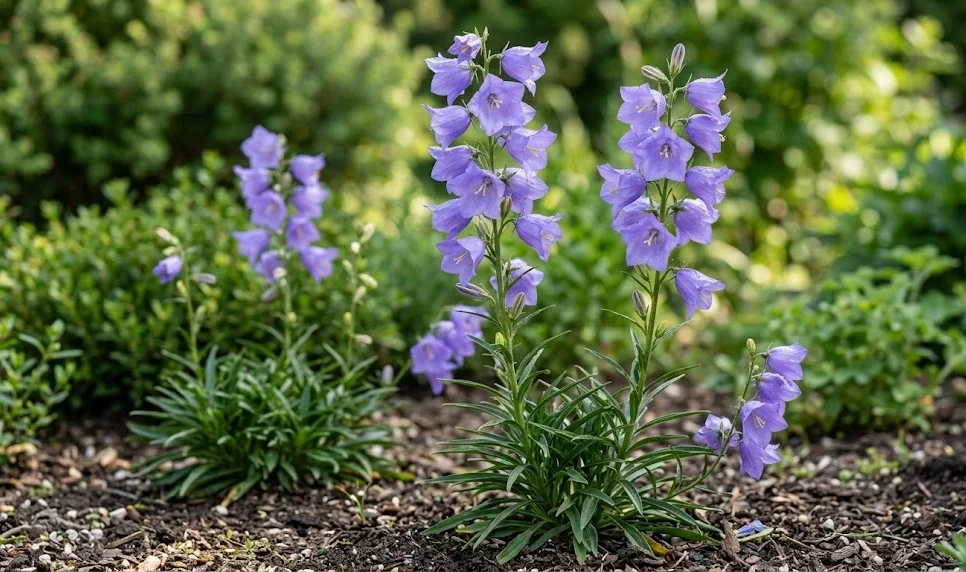

Planting the peach-leaved bellflower is the first step toward creating a lush and vibrant garden that feels both established and professionally designed. This perennial is known for its adaptability, but giving it the right start in the soil is crucial for its long-term success and floral productivity. Whether you are starting with nursery-bought plants or your own homegrown seedlings, the process requires attention to detail regarding spacing and soil preparation. Proper planting techniques will ensure that the root system develops quickly and the plant becomes resilient against environmental stresses.
Before you even dig a hole, it is important to select the right location that meets the specific light and soil requirements of the species. A spot that offers full sun to partial shade will provide the energy the plant needs to produce its iconic tall flower spikes. The soil should be well-drained yet capable of holding onto some moisture, as these plants do not enjoy sitting in bone-dry earth for extended periods. Testing the drainage of your chosen spot by digging a small hole and filling it with water can save you from future headaches.
The actual process of putting the plant in the ground should be done with care to avoid damaging the delicate root system. Dig a hole that is twice as wide as the root ball and just as deep, ensuring the soil at the bottom is loose and friable. When you place the plant in the hole, the crown—where the stems meet the roots—should be level with the surrounding soil surface. Burying the crown too deeply can lead to rot, while leaving it too exposed can cause the plant to dry out or suffer from frost heave.
Once the bellflower is in place, backfill the hole with a mixture of native soil and high-quality compost to provide an immediate nutrient boost. Gently firm the soil around the base of the plant with your hands to remove any large air pockets that could dry out the roots. Water the newly planted bellflower thoroughly to help settle the soil and ensure good root-to-soil contact. Providing a light layer of mulch around the base will help retain this initial moisture and protect the young plant as it begins to establish itself.
Techniques for successful propagation
Propagation is a rewarding way to expand your garden’s collection of peach-leaved bellflowers without the cost of buying new plants. There are several methods available to the home gardener, ranging from simple division to growing new plants from seed. Each method has its own advantages and timing, allowing you to choose the one that best fits your schedule and skill level. Understanding these techniques gives you more control over the layout and density of your floral displays.
More articles on this topic
The most common and arguably the easiest method for the average gardener is division, which should be performed every few years. This process involves digging up an established clump and carefully separating it into smaller sections, each with its own roots and shoots. Division is best carried out in the early spring just as new growth begins or in the autumn after the flowering period has ended. It not only provides new plants but also rejuvenates the original clump, which can become less productive over time.
Growing from seed is another popular option, especially if you are looking to produce a large number of plants for a meadow-style garden. You can sow the seeds directly into the garden in late spring or start them indoors in trays during the late winter for a head start. The seeds are very small and require light to germinate, so they should be pressed into the surface of the soil rather than buried. Maintaining a consistent level of moisture and a steady temperature will lead to successful germination within a few weeks.
For those who want to maintain the exact characteristics of a specific cultivar, taking basal cuttings is a professional technique to consider. In early spring, you can remove small, non-flowering shoots from the base of the plant and encourage them to root in a specialized potting mix. This method ensures that the new plants will be genetically identical to the parent, preserving unique flower colors or growth habits. While it requires a bit more care and attention to humidity, it is a highly effective way to multiply rare varieties.
Mastering the art of division
When you decide to divide your bellflowers, timing and preparation are key to minimizing the shock to the plants. Choose a cool, overcast day to perform the operation, as this reduces the amount of moisture lost through the leaves during the process. Water the parent plant thoroughly the day before you plan to divide it to ensure that the tissues are well-hydrated. Having your new planting holes ready in advance will also speed up the process and help the new divisions settle in quickly.
Use a sharp spade or a garden fork to lift the entire clump out of the ground, taking care to get as much of the root system as possible. Once the plant is out of the soil, you can often see natural points where the clump can be easily separated. You can use your hands to pull the roots apart, or for older, more congested clumps, a sharp knife may be necessary to make clean cuts. Each new division should have a healthy set of roots and at least two or three green shoots to ensure a high success rate.
After separating the clump, trim back any excessively long roots or damaged foliage to help the new plant focus its energy on establishment. Replant the divisions immediately at the same depth they were growing previously, following the same planting steps as you would for a new nursery plant. It is common for divided plants to look a bit wilted for a few days, but they should recover quickly with regular watering. Within a single growing season, these new divisions will often grow into substantial plants that are ready to bloom.
Sharing these divisions with friends and neighbors is a long-standing tradition among gardeners and a great way to spread the beauty of this species. It also serves as a safety net for your own garden; if a particular pest or weather event affects your plants, you may be able to get a start back from someone you shared with. This communal aspect of gardening adds another layer of enjoyment to the practice of propagation. The peach-leaved bellflower is a particularly generous plant in this regard, producing plenty of offsets for everyone.
Seed starting and early care
If you choose to start your bellflowers from seed, the quality of the starting medium is perhaps the most important factor in your success. Use a sterile, fine-textured seed starting mix that provides good drainage while holding enough moisture for the tiny seeds. Avoid using garden soil in trays, as it can be too heavy and may contain pathogens that cause young seedlings to rot. Sowing the seeds thinly will prevent overcrowding and make it easier to transplant the seedlings later without damaging their roots.
Because the seeds require light to germinate, placing your trays in a bright spot like a windowsill or under grow lights is essential. Keep the soil surface consistently moist but not soaking wet by using a fine mist sprayer or watering from the bottom. Covering the trays with a clear plastic lid can help maintain the high humidity that seeds need to break dormancy. Once the first green sprouts appear, you should remove the cover to allow for better air circulation and to prevent fungal issues like damping-off.
As the seedlings grow their first set of “true” leaves, they will need more space and more nutrients to continue their development. This is the time to thin them out or transplant them into individual pots where they can grow larger before being moved to the garden. Begin introducing a very weak solution of liquid fertilizer to provide the building blocks for strong stems and healthy foliage. Gradually hardening off the young plants by exposing them to outdoor conditions for increasing amounts of time will prepare them for life in the garden.
Planting your homegrown seedlings into their permanent positions is a moment of great satisfaction for any gardener. Wait until all danger of frost has passed and the soil has warmed up before moving them outside. Space the young plants about twelve to eighteen inches apart to give them room to reach their mature size without competing for resources. With a little patience and care during these early stages, your seed-grown bellflowers will soon become a permanent and beautiful fixture in your landscape.