
Growing these vibrant giants requires a dedicated approach that balances patience with a deep understanding of the plant’s biological needs. You will find that pumpkins are quite expressive, showing their thirst through drooping leaves or their health through deep green foliage. Successfully managing a patch involves more than just putting seeds in the ground and hoping for the best results. It is a season-long journey that starts with the soil and ends with a satisfying harvest under the autumn sun.
The foundation of any successful garden begins with the physical and chemical composition of the earth you are working with. Pumpkins are heavy feeders, which means they extract a significant amount of nutrients from the soil during their rapid growth phase. You should aim for a well-draining environment rich in organic matter to ensure the roots can breathe and expand freely. Testing your soil pH is also a critical step because these plants prefer a slightly acidic to neutral range to thrive.
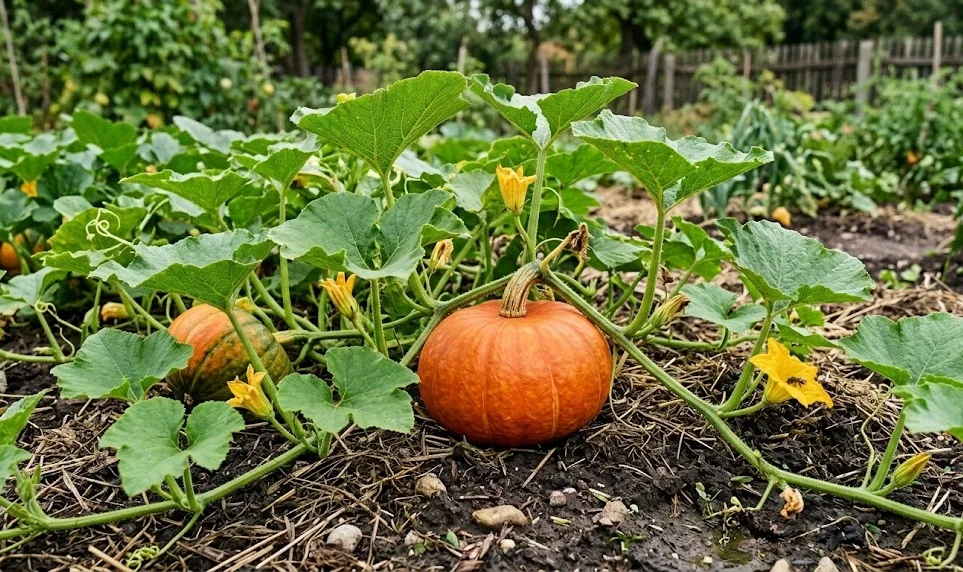
Once the plants begin to send out their long, sprawling vines, you must decide how to manage the limited space in your garden. Many growers choose to guide the vines in specific directions to prevent them from choking out other vegetables or crossing paths. This manual training helps maintain order and allows for better airflow between the large, umbrella-like leaves that cover the ground. Keeping the vines organized also makes it much easier to spot developing fruit and potential problems like pests or mold.
Weed management is perhaps one of the most tedious but necessary aspects of maintaining a healthy pumpkin patch throughout the summer. Because the vines take a while to fully shade the ground, opportunistic weeds will often try to compete for water and nutrients. You should remove these competitors early on before their root systems become too established and difficult to pull. Once the pumpkin leaves create a dense canopy, the natural shade will eventually do most of the weed suppression work for you.
Mulching is a fantastic technique that offers multiple benefits to the gardener who wants to reduce their daily workload. By spreading a thick layer of straw or wood chips around the base of the plants, you can lock in essential moisture during heatwaves. This protective layer also keeps the developing pumpkins off the direct soil, which significantly reduces the risk of belly rot. Furthermore, organic mulch slowly breaks down over time, adding even more valuable nutrients back into your garden beds.
More articles on this topic
Pollination and fruit set
The arrival of flowers is an exciting milestone, but it also marks a period where the plant is heavily dependent on local insect activity. Pumpkins produce separate male and female flowers on the same vine, and pollen must be transferred between them by bees. You can encourage these helpful visitors by planting nectar-rich flowers nearby or avoiding harsh chemicals during the blooming period. If you notice a lack of fruit despite many flowers, you might even consider hand-pollination to ensure a successful crop.
Not every female flower will turn into a prize-winning pumpkin, as the plant often sheds fruit it cannot support. This natural thinning process is the plant’s way of managing its energy reserves to ensure the healthiest pumpkins reach maturity. If you are aiming for particularly large specimens, you might want to intervene by removing smaller fruits yourself. This directs all the vine’s resources into one or two specific pumpkins, leading to impressive results by the end of the year.
As the fruits grow larger and heavier, they become more vulnerable to physical damage or moisture-related issues on their underside. Placing a piece of cardboard or a flat stone under each pumpkin can provide a clean, dry surface for it to rest upon. This simple step prevents soil-dwelling insects from burrowing into the soft rind before it has a chance to harden. It also allows you to rotate the fruit slightly to ensure it develops a nice, uniform shape without flat spots.
Harvesting and curing
Knowing exactly when to harvest is a skill that comes with experience and careful observation of the plant’s signals. The most reliable indicator is the stem, which will begin to turn woody and dry out as the pumpkin reaches full maturity. You should also check the hardness of the rind by trying to dent it with your fingernail; if it resists, it is likely ready. The color should be deep and consistent across the entire surface of the fruit before you make the final cut.
When you finally decide to harvest, always leave several inches of the vine attached to the pumpkin to act as a handle. This “handle” is not just for aesthetics; it actually helps prevent rot from entering the top of the fruit during storage. You should never pick up a pumpkin by the stem, as it can easily snap off and create a wound that leads to quick spoilage. Use sharp, clean shears to make a clean cut and handle the heavy fruits with extreme care to avoid bruising.
Curing is the final essential step in the pumpkin care cycle that many beginners often overlook or rush through. This process involves leaving the harvested pumpkins in a warm, dry place for about ten days to harden the skin further. During this time, any small scratches can heal, and the flavor of the flesh often improves as the starches convert to sugars. A well-cured pumpkin will last much longer in storage than one taken directly from the field to a cold cellar.
The final stage of care involves reflecting on the season and preparing the garden bed for the following year. Once the vines have been cleared away, you should consider planting a cover crop or adding more compost to replenish the soil. Keeping a gardening journal can help you remember which varieties performed best and where you might need to adjust your techniques. Proper care is a continuous cycle of learning and adapting to the unique conditions of your local environment.
Protecting the vines
Strong winds and heavy rain can wreak havoc on the fragile structure of pumpkin vines if they are not properly secured. You can use small U-shaped stakes to gently pin the vines to the ground at various intervals to prevent them from flipping over. This also encourages the vine to grow secondary roots at the leaf nodes, which provides extra stability and nutrient uptake. A well-anchored vine is much more resilient against the unpredictable weather patterns of mid-summer.
Monitoring the health of the foliage is a daily task that can save your entire crop from a sudden collapse. You should look for any signs of yellowing or spotting, which could indicate a nutrient deficiency or the start of a disease. Catching these issues early allows you to apply organic treatments or adjust your watering schedule before the damage becomes irreversible. Healthy leaves are the solar panels of your plant, so keeping them functional is your top priority.
Sometimes, the sheer size of the leaves can act as a shield, preventing water from reaching the root zone during light rain. You should check the soil moisture levels manually by digging a few inches down near the main stem. If the soil feels dry despite recent rain, you will need to supplement with manual watering to keep the plant hydrated. Never assume that a quick afternoon shower has provided enough deep hydration for such a thirsty and expansive plant.
Long term maintenance
As the season progresses into late summer, the plant’s needs will shift from leaf production to fruit ripening. You might notice that the oldest leaves near the base of the plant start to wither and turn brown naturally. This is usually not a cause for concern as long as the new growth at the tips remains vibrant and strong. You can carefully prune away these dead leaves to improve airflow and reduce the hiding spots for opportunistic pests.
Maintaining a clean environment around your pumpkin patch is essential for preventing the buildup of pathogens. You should remove any fallen fruit or decaying organic matter that could harbor mold or attract unwanted rodents. A tidy garden is generally a healthy garden, as it minimizes the stresses placed on the plants’ immune systems. This discipline also makes it much easier to move around the patch without accidentally stepping on a hidden vine.
Training the vines to stay within their designated areas requires a gentle touch and consistent attention throughout the week. If a vine starts to wander toward a fence or another crop, gently lift and redirect it while the tip is still soft and flexible. Avoid moving vines that have already established secondary roots, as pulling them up can stress the plant and disrupt its water intake. Consistency is the key to managing a large-scale pumpkin patch without it becoming an overgrown jungle.
The final weeks before harvest are often the most critical for ensuring the longevity of your crop. You should reduce watering slightly to encourage the skins to toughen up and prevent the fruit from cracking due to sudden moisture surges. Keep a close eye on the weather forecast for any early frosts that could damage the exposed rinds of your pumpkins. If a frost is predicted, covering the fruit with old blankets or heavy burlap can provide just enough protection to get them through the night.