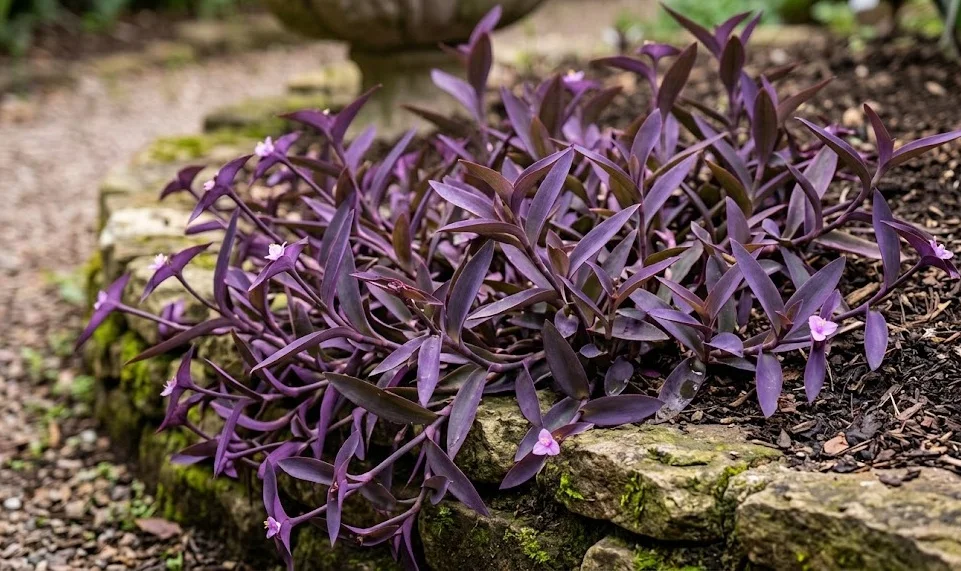

Maintaining a vibrant purple heart requires a deep understanding of its unique physiological needs and environmental preferences. This plant is celebrated for its striking violet foliage and delicate pink blossoms that appear during the warmer months. Successful cultivation hinges on balancing light exposure with consistent moisture levels throughout the growing season. Achieving the best results involves monitoring the plant’s reaction to its specific microclimate daily.
The purple heart is technically a perennial succulent known for its incredible resilience in various hardiness zones. You will find that it thrives best when given ample space to spread its trailing stems across the garden floor or hanging baskets. Its deep pigmentation is its most defining characteristic, making it a favorite for contrasting with green-leafed varieties. Understanding its growth habit allows you to manage its expansion effectively within your landscape.
While it is often considered a low-maintenance species, providing professional care elevates its aesthetic value significantly. You should pay close attention to the structural integrity of the stems, which can become brittle if the plant is neglected. Healthy specimens exhibit a waxy sheen on their leaves, indicating proper hydration and nutrient absorption. Regular inspection helps in identifying any subtle changes in vigor before they become major issues.
Incorporating this plant into a diverse garden design offers both visual appeal and functional ground cover benefits. It serves as an excellent indicator plant for light levels, as its color intensity shifts based on solar exposure. Many experts recommend it for beginners because it provides immediate visual feedback to various care routines. Establishing a reliable maintenance schedule is the first step toward long-term success with this species.
Essential soil characteristics for optimal growth
The foundation of any successful gardening project begins with the selection of a high-quality growing medium tailored to the plant’s needs. For this particular species, a well-draining soil mix is non-negotiable to prevent moisture from stagnating around the root system. You can achieve this by mixing standard potting soil with perlite or coarse sand to enhance aeration. This structure ensures that oxygen reaches the roots while allowing excess water to escape efficiently.
More articles on this topic
Soil pH also plays a crucial role in the availability of nutrients and the overall health of the foliage. Ideally, you should aim for a slightly acidic to neutral pH level, typically ranging between 6.0 and 7.0. Testing your soil periodically can prevent nutrient lockouts that might lead to discoloration or stunted growth. Adding organic compost can help buffer the pH while providing a slow-release source of essential minerals.
Compaction is a common enemy of healthy root development, especially in older potted specimens that have stayed in the same container too long. You should look for signs of soil hardening or a decrease in drainage speed as indicators that the medium needs refreshing. Replacing the top layer of soil annually can provide a quick boost of nutrients and improve surface breathability. Avoid using heavy garden clays which retain too much moisture and restrict root expansion.
Container selection is just as important as the soil itself when managing drainage and root health. Ensure that every pot has multiple drainage holes at the bottom to facilitate the movement of water. Larger pots offer more stability for the trailing stems, but they also hold more moisture, requiring careful monitoring. Choosing a breathable material like terra cotta can help regulate soil moisture levels through evaporation.
Temperature and humidity management
This plant is native to warmer regions, which means it has a specific set of thermal requirements for sustained growth. It performs exceptionally well in temperatures ranging from 18 to 30 degrees Celsius during its active growing phase. If the temperature drops significantly below this range, you might notice a slowdown in leaf production and overall vitality. Protecting it from sudden temperature fluctuations is vital for maintaining its lush appearance.
More articles on this topic
Humidity levels in the surrounding environment can influence the transpiration rate and leaf health of the plant. While it is somewhat drought-tolerant, it appreciates a moderately humid atmosphere to prevent the leaf tips from browning. You can increase humidity by grouping plants together or using a pebble tray filled with water near the base. Avoid spraying the leaves directly too often, as trapped moisture can lead to fungal issues in still air.
During the peak of summer, extreme heat can sometimes cause the plant to wilt slightly during the afternoon hours. Providing some light afternoon shade can help the plant conserve energy and maintain its turgor pressure. If you are growing it indoors, keep it away from air conditioning vents or heaters that produce dry, direct air. Consistent environmental conditions lead to more predictable growth patterns and healthier specimens.
Frost is the primary environmental threat to this species, as its fleshy stems contain a high percentage of water. Exposure to freezing temperatures will cause the cellular structure to collapse, leading to immediate darkening and rot. You must move outdoor containers to a protected area or provide heavy mulching if the plant remains in the ground. Monitoring local weather forecasts allows you to take proactive steps before the first cold snap arrives.
Seasonal care adjustments
As the seasons change, the metabolic rate of the plant fluctuates, necessitating a change in your care routine. In the spring, you should focus on stimulating new growth by increasing water and providing a light feed. This is the ideal time to inspect the plant for any winter damage and remove dead material. Setting a strong foundation in spring ensures a lush and colorful display throughout the summer months.
The summer season is characterized by rapid growth and the emergence of small, delicate flowers. During this time, the plant’s demand for water and nutrients is at its highest due to the intense solar energy. You will need to monitor the soil more frequently to ensure it does not dry out completely for extended periods. Regular maintenance during the summer helps the plant maintain its vibrant purple hue.
When autumn arrives, the plant begins to transition into a slower growth phase in preparation for the cooler months. You should gradually reduce the frequency of watering to allow the soil to dry out more between applications. This reduction in resources signals the plant to harden its tissues and store energy for the coming winter. Avoid heavy pruning or late-season fertilizing, as new growth may be too tender to survive the cold.
Winter care is primarily focused on preservation and survival rather than growth or aesthetics. Most specimens will go into a semi-dormant state where they require very little intervention from the gardener. Light levels are often lower during this time, so placing the plant in the brightest possible spot is beneficial. Patience is key during the winter, as the plant will naturally look less vibrant until the return of spring warmth.
Indoor and outdoor placement strategies
Deciding whether to keep your plant indoors or outdoors depends heavily on your local climate and aesthetic goals. Outdoor placement allows the plant to reach its full size and produce the most intense purple coloration due to direct sunlight. It works beautifully as a cascading element in rock gardens or as a filler in large landscape beds. However, outdoor plants are more susceptible to pests and weather extremes that require constant vigilance.
Growing the purple heart as a houseplant offers a unique way to bring bold color into your interior design. It thrives on bright windowsills where it can receive several hours of filtered or direct sunlight each day. Indoor environments are generally more stable, which can lead to more consistent, albeit slower, growth. You must ensure that the indoor location has adequate air circulation to prevent the buildup of stagnant air.
Transitions between indoor and outdoor environments should always be done gradually to avoid plant shock. Acclimatization, also known as hardening off, involves moving the plant to its new location for a few hours each day. Start with a shaded spot and slowly increase the exposure to direct sun or different temperatures over two weeks. This process allows the leaf cuticles to thicken and adapt to the new light intensity.
Regardless of the location, the spatial arrangement should allow for the trailing nature of the stems to be showcased. Hanging baskets are a classic choice for this species, allowing the purple vines to drape elegantly over the edges. If planted in the ground, ensure there is enough room for it to spread without smothering smaller, less vigorous neighbors. Proper spacing also improves airflow, which is a key component of a healthy gardening environment.
Potting and container considerations
Choosing the right container is a critical step in providing professional care for your purple heart. You should select a pot that provides enough room for the roots to expand but is not so large that the soil stays wet for too long. A pot that is one size larger than the current root ball is usually sufficient for a healthy transplant. Always check that the material of the pot suits your watering habits and the plant’s environment.
The process of repotting is best handled in the early spring when the plant is just starting its active growth. Gently remove the plant from its old container and loosen any tightly bound roots to encourage outward growth. Place a layer of fresh, well-draining soil at the bottom of the new pot before centering the plant. Fill the gaps with soil and press down lightly to remove large air pockets without compacting the medium.
Decorative pots without drainage holes should be avoided unless they are used as a cachepot. You can place the plant in a functional plastic nursery pot with holes and then set that inside the decorative container. This allows you to remove the plant for watering and ensures that no excess liquid pools at the bottom. Emptying the outer pot after watering is essential for maintaining a healthy root environment.
Over time, the plant may become “leggy” if it has been in the same pot for several years without intervention. Repotting offers an opportunity to refresh the soil and perhaps divide the plant into multiple smaller specimens. If the roots are circling the bottom of the pot, it is a clear sign that the plant has outgrown its home. Regular repotting every two to three years maintains the vigor and health of the entire plant.
Long term maintenance and aesthetics
Sustaining the beauty of a purple heart over many years requires a commitment to routine grooming and observation. Removing old, withered leaves and spent flowers keeps the plant looking tidy and prevents the accumulation of organic debris. This simple act also encourages the plant to direct its energy toward new, healthy growth. Using sharp, clean shears for any maintenance tasks prevents the spread of pathogens between plants.
Aesthetic goals often involve maintaining a specific shape or density for the plant’s foliage. You can control the direction of growth by selectively removing stems that are moving into unwanted areas. Regular pinching of the growing tips will stimulate the dormant buds lower on the stem to break. This results in a much fuller and more compact appearance, which is often desired for indoor displays.
Monitoring the color of the leaves is the best way to gauge the long-term health of your specimen. If the vibrant purple begins to fade into a dull green, it is usually a sign that the plant needs more light. Conversely, scorched patches on the leaves may indicate that the sun is too intense or that the plant is dehydrated. Adjusting your care based on these visual cues ensures the plant remains a focal point in your collection.
Finally, documenting the growth of your plant can help you understand its unique rhythm and needs over time. Noticing when it typically starts to bloom or when it requires more frequent watering provides valuable insights for future seasons. Professional gardening is often about the accumulation of small observations that lead to a deep understanding of the species. Sharing your findings with other enthusiasts can also be a rewarding part of the horticultural hobby.