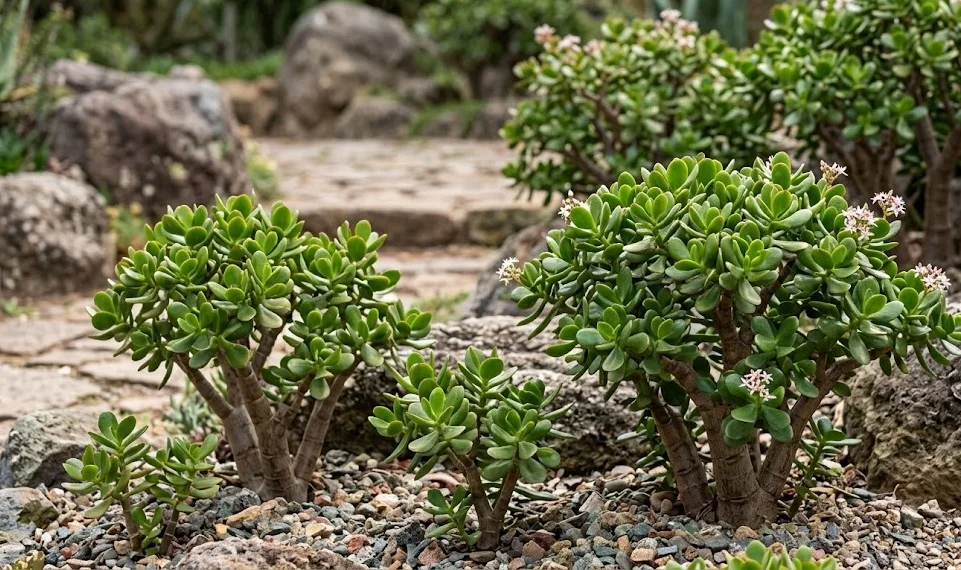

The jade plant is one of the most resilient and rewarding succulents that any indoor gardener can choose to keep in their home environment. Achieving the best results with this specific species requires a deep understanding of its biological needs and its natural habitat in South Africa. You should always keep in mind that providing a stable environment is the most critical factor for long-term success with these woody-stemmed plants. When you master the basic principles of maintenance, your plant can live for several decades and even become a family heirloom passed down through generations.
Providing the right foundation for your plant begins with selecting the perfect container and placement within your living space. You need to ensure that the pot has sufficient drainage holes to prevent water from accumulating around the sensitive root system. Many growers prefer terracotta pots because the porous material allows for better air circulation and moisture evaporation compared to plastic alternatives. Setting the plant in a location where it can remain undisturbed will help it acclimate and establish a strong growth pattern over time.
The soil structure is another fundamental aspect that determines the health of your succulent throughout the different seasons of the year. You should look for a professional cactus mix or create your own blend using potting soil, perlite, and coarse sand for optimal aeration. A loose and gritty texture ensures that oxygen reaches the roots while allowing excess water to pass through the medium quickly and efficiently. If you use standard garden soil, the density might lead to compaction which eventually suffocates the roots and causes growth to stall significantly.
Temperature management plays a vital role in mimicking the natural environment where these plants thrive and grow into miniature trees. During the active growing season, these succulents appreciate daytime temperatures between twenty and twenty-five degrees Celsius while enjoying cooler nights. You must be careful to avoid placing your plant near drafty windows or air conditioning vents that cause sudden temperature fluctuations. Consistency in the ambient air temperature prevents the plant from experiencing thermal shock which often leads to unexpected leaf drop and stress.
Understanding the growth cycle is essential for any professional gardener who wants to see their specimen reach its full potential over several years. During the spring and summer months, you will notice a significant increase in leaf production and stem thickening as the plant stores energy. This is the period when the plant requires the most attention in terms of monitoring its development and environmental response. As the days grow shorter in autumn, the metabolism of the succulent slows down naturally to prepare for a period of rest.
The aesthetic appeal of the plant often depends on how you manage the density of its foliage and the strength of its primary branches. You can encourage a bushier appearance by occasionally pinching off the tips of young stems to promote lateral branching and a more compact shape. This technique helps the plant support its own weight as the leaves are heavy with stored water and can cause thin branches to bend or break. Maintaining a balanced structure ensures that the plant remains upright and maintains its iconic tree-like silhouette as it matures in size.
Cleaning the leaves is a small but significant task that many enthusiasts overlook when caring for their indoor greenery at home. Dust can accumulate on the smooth surface of the foliage and block the stomata which the plant uses for gas exchange and light absorption. You should use a soft, damp cloth to gently wipe the leaves every few weeks to keep them shining and functioning at their peak efficiency. Avoid using commercial leaf shine products because the chemicals can damage the natural waxy coating that protects the plant from dehydration.
Long-term care involves observing the plant closely for any subtle changes in its color or the firmness of its succulent leaves. If you notice the foliage turning a deep red or purple hue, it might be a sign of environmental stress or high light exposure which is not necessarily harmful. However, pale or yellowing leaves often indicate a lack of nutrients or an issue with the watering schedule that needs immediate correction. By paying close attention to these visual cues, you can adjust your care routine and ensure that your plant remains a vibrant centerpiece for many years.
Selecting the right environment for planting
Potting your succulent is the first step toward creating a healthy specimen that will thrive in an indoor or outdoor setting. You must choose a potting medium that mirrors the rocky and fast-draining slopes where these plants originate in the wild landscapes. A high-quality succulent mix combined with extra pumice or lava rock will provide the necessary structural support for the heavy top growth. Ensuring that the roots have plenty of space to breathe while remaining snugly anchored is the key to preventing transplant shock.
Propagation is a fascinating way to expand your collection and share these beautiful plants with friends and family members easily. You can start new individuals using either leaf cuttings or stem cuttings, both of which have a high success rate when handled properly. It is important to let the cuttings dry for a few days until a callus forms over the wound to prevent rot during the rooting process. Placing the callused cutting on top of moist sand or perlite will eventually stimulate the growth of tiny pink roots and new leaves.
When you decide to repot a mature plant, timing is everything to ensure that the transition is as smooth and stress-free as possible. The best time for this procedure is during the early spring when the plant is just beginning its active growth phase for the year. You should only move the plant to a larger container if it has become completely root-bound and the growth has slowed down visibly. Using a pot that is only one size larger will prevent the soil from staying wet for too long around the small root mass.
Monitoring the moisture levels during the initial weeks after planting or propagating is crucial for the establishment of a healthy root system. You should avoid watering the plant immediately after potting to allow any damaged roots to heal in the dry soil environment for a few days. Once you begin the watering routine, do so sparingly until you see signs of new growth appearing at the tips of the branches. This careful approach ensures that the young plant does not succumb to moisture-related issues before it has a chance to settle into its new home.