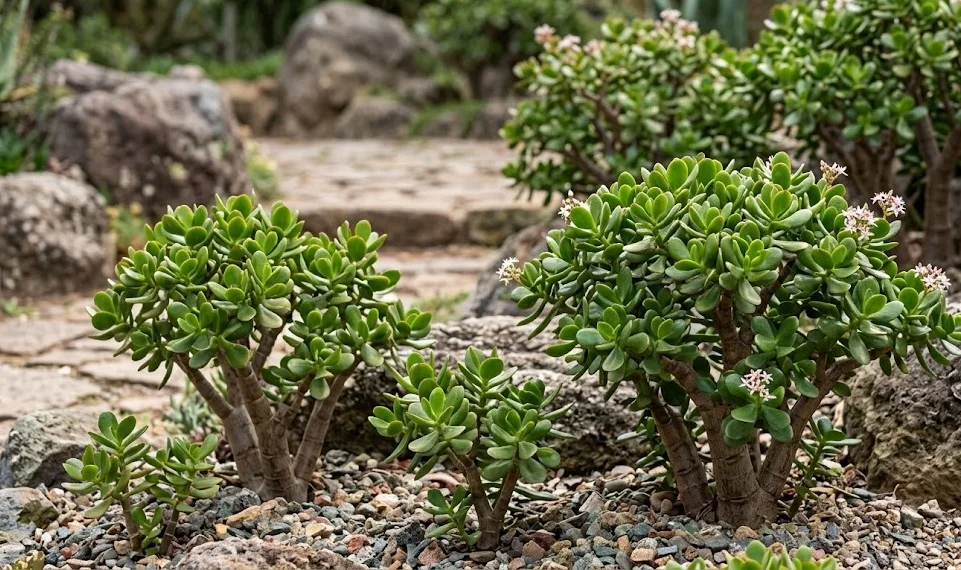

Pruning is an essential technique for anyone who wants to maintain a specific shape or size for their succulent over many years of growth. These plants respond very well to being cut back, and the process actually stimulates the production of new branches and thicker stems for a sturdier structure. You should not be afraid to remove large sections of the plant if it has become overgrown or if you want to create a miniature tree-like appearance. With the right tools and a bit of patience, you can transform a wild and leggy plant into a beautiful and balanced masterpiece.
Before you begin pruning, you must ensure that your cutting tools are sharp and have been thoroughly sterilized with rubbing alcohol to prevent the spread of pathogens. Making clean cuts just above a leaf node or where a branch meets the main trunk will allow the plant to heal quickly and produce new growth from that point. You should always have a clear plan in mind before you start cutting so that you maintain the overall symmetry and balance of the specimen. Removing any dead, damaged, or crossing branches should always be your first priority when starting the pruning process.
Timing your pruning sessions is important for the recovery of the plant and for the success of any potential propagation from the removed sections. The best time to prune is in the early spring just as the plant is entering its most active growth phase and has plenty of energy to heal. You will notice that new buds start to appear near the cut site within just a few weeks, especially if the plant is receiving plenty of bright light. If you prune in the winter, the plant will take much longer to recover and the new growth may be weak due to the lower light levels.
After a heavy pruning session, you should give your plant some time to recover before resuming your normal watering and fertilizing routine for the season. The reduction in foliage means the plant will require less water than usual, so you must be careful not to overwater it during this sensitive period of regrowth. You can use the healthy branches that you removed to start new plants, ensuring that nothing goes to waste from your gardening efforts. Watching the plant transform as it puts out fresh, vibrant growth is one of the most satisfying aspects of being a succulent enthusiast.