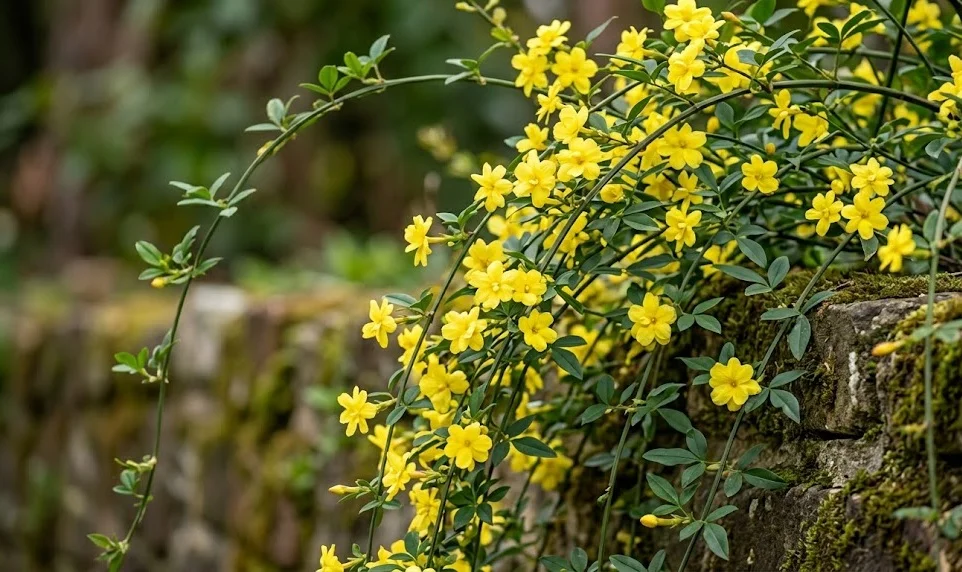

Pruning is the most effective tool a gardener has for controlling the vigorous growth of Chinese jasmine and ensuring a spectacular floral display. This species responds exceptionally well to cutting, often rewarding the effort with a flush of healthy new growth and more organized stems. Without regular intervention, the plant can quickly become a chaotic mound of tangled branches that is difficult to manage and less aesthetically pleasing. Mastering the timing and techniques of pruning is essential for anyone who wishes to keep this beautiful shrub in peak condition.
Objectives and benefits of regular pruning
The primary goal of pruning Chinese jasmine is to maintain a desirable shape and size within the allotted garden space. Because of its rapid growth rate, the plant can easily overtake neighboring species or block important paths if left to its own devices. Regular cutting allows you to define the boundaries of the plant and keep it looking intentional and well-cared for. A professionally pruned jasmine always looks like a deliberate part of the landscape rather than an invasive weed.
Pruning also plays a vital role in the health of the plant by removing dead, damaged, or diseased wood. These “three Ds” can act as entry points for pests and pathogens if they are not cleared away promptly. By thinning out the canopy, you also improve the air circulation and light penetration throughout the entire structure of the shrub. This internal environment is much less conducive to fungal diseases and promotes the growth of leaves along the entire length of the stems.
Stimulating the production of new flowering wood is another critical objective of the pruning process. Chinese jasmine typically produces its best blooms on the growth that developed during the previous season. By cutting back the old, spent branches, you encourage the plant to push out fresh shoots that will carry the next year’s yellow flowers. This cycle of rejuvenation ensures that the plant remains productive and visually stunning year after year.
Finally, pruning can be used to train the jasmine into specific forms, such as a formal hedge, a cascading wall cover, or even a standards-style small tree. This versatility is one of the plant’s best features, but it requires a consistent and disciplined approach to cutting. Whether you are aiming for a natural look or a highly structured form, your shears are the primary tool for achieving that vision. Professional pruning is as much an art as it is a science.
More articles on this topic
Timing and frequency of the cutting process
Timing is the most important factor to consider when planning to prune your Chinese jasmine to avoid losing the flower crop. The absolute best time to perform a major pruning is immediately after the spring flowering has finished. At this point, the plant is entering its most active phase of vegetative growth, allowing it to recover quickly from the cuts. Pruning at this time ensures that the new shoots have the entire summer and autumn to mature and set buds for the following year.
Avoid pruning the plant in late autumn or early winter, as this can stimulate new growth that is too soft to survive a frost. Any cutting done during this period may also remove the flower buds that have already formed, leading to a disappointing spring season. If you must do some light shaping in the summer, keep it minimal and focus only on stray runners that are in the way. A disciplined pruning schedule is the mark of a knowledgeable and professional gardener.
For very old or neglected specimens, a more drastic “renewal pruning” may be necessary to bring the plant back to life. This involves cutting the entire shrub back to within a few inches of the ground or back to a main structural framework. While this can look alarming at first, the Chinese jasmine is incredibly resilient and will typically respond with a burst of vigorous new growth. This type of heavy rejuvenation should only be done every five to seven years to avoid exhausting the plant’s energy reserves.
Regular “tipping” or pinching throughout the growing season can also be used to encourage a bushier habit. By removing the very tip of a new shoot, you force the plant to develop lateral branches from the nodes below the cut. This results in a denser foliage mat and more potential flowering sites across the surface of the plant. This frequent, light maintenance is often more effective than a single, massive pruning event once a year.
More articles on this topic
Professional techniques for health and structure
When pruning Chinese jasmine, always start with high-quality tools that are sharp and have been thoroughly sterilized. A clean cut heals much faster than a jagged one and significantly reduces the risk of introducing diseases into the plant’s vascular system. Bypass pruners are generally better than anvil pruners for this task, as they make a cleaner slice without crushing the stem tissue. For larger, older branches, a small pruning saw may be necessary to ensure a smooth finish.
When removing a branch, always make your cut just above a healthy leaf node or a lateral shoot. This directs the plant’s energy into the existing buds and prevents the formation of unsightly dead “stubs.” If you are thinning out a dense area, remove the stems all the way back to the main trunk or the ground. This “thinning cut” is much better for air circulation than a “heading cut” that simply shortens every branch to the same length.
The angle of the cut should be slightly slanted, about 45 degrees, to allow rainwater to run off easily. If water is allowed to sit on a flat cut surface, it can encourage rot and provide a breeding ground for fungal spores. This attention to small details is what separates a professional maintenance job from a hasty one. Always step back frequently during the process to evaluate the overall shape of the plant from a distance.
Finally, be sure to clean up all the pruned material from the ground immediately after you are finished. Dead leaves and stems can harbor pests and diseases that might find their way back onto the healthy plant. In an agricultural or professional garden setting, this sanitation step is just as important as the pruning itself. A clean workspace reflects a professional approach and ensures the long-term success of your Chinese jasmine care routine.