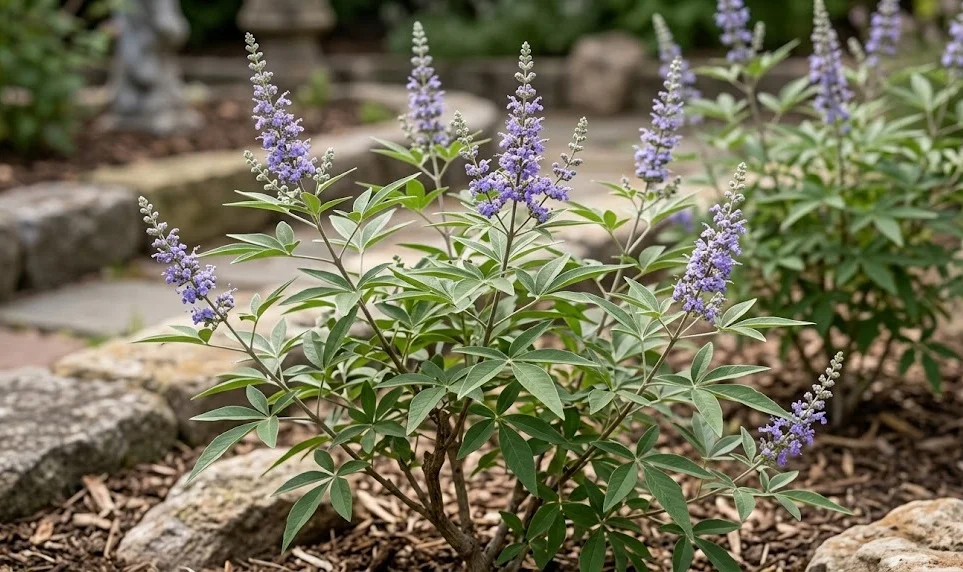

Mastering the irrigation and nutrition of a Chinese chastetree is the cornerstone of maintaining a professional-looking garden specimen. While this shrub is known for its tolerance to various conditions, its true potential is only realized through a balanced approach to these two vital resources. You must learn to read the plant’s signals and adjust your interventions based on the specific environmental pressures of each season. Proper management of water and nutrients not only promotes lush foliage and vibrant flowers but also builds a resilient plant that can withstand future challenges.
The initial phase after planting is the most critical time for establishing a proper watering routine for the young shrub. You should ensure that the root ball remains consistently moist but never waterlogged during the first few months in the ground. This steady supply of hydration allows the roots to expand into the surrounding soil and establish the foundation for future drought tolerance. Neglecting water during this period can lead to stunted growth and a permanently weakened structure that may never fully recover.
As the plant matures, its reliance on regular supplemental irrigation decreases, but it still benefits from deep watering during prolonged dry spells. You should aim to apply water directly to the root zone, avoiding the foliage to reduce the risk of leaf spot or other fungal issues. A slow, deep soak is far more effective than frequent, shallow watering, as it encourages the roots to grow deeper into the earth. This practice makes the Chinese chastetree much more self-sufficient and capable of handling the heat of mid-summer.
Fertilization should be handled with a “less is more” philosophy to prevent excessive, weak growth that can attract pests. You should choose a balanced, slow-release fertilizer that provides a steady stream of nutrients over an extended period. Applying the fertilizer in the early spring, just as new growth begins, gives the plant the fuel it needs for the upcoming blooming season. Understanding the relationship between water and fertilizer will help you create a professional maintenance schedule that ensures long-term vitality.
Water requirements for young and establishing plants
During the first year of life in your garden, the Chinese chastetree requires a more hands-on approach to irrigation than established specimens. You should check the soil moisture levels every few days, especially if the weather is warm and dry. If the top inch of soil feels dry to the touch, it is time to provide a thorough watering that reaches the depth of the root ball. This close monitoring prevents the young plant from experiencing the stress of dehydration while it is still vulnerable.
More articles on this topic
Using a soaker hose or a drip irrigation system is a highly efficient way to deliver water directly where it is needed most. These methods allow the water to seep slowly into the ground, ensuring that it penetrates deeply rather than running off the surface. You can also create a small soil basin around the base of the plant to catch and hold water, allowing it to soak in over time. Professional gardeners often use these techniques to maximize the impact of every gallon of water used in the landscape.
Over-watering is just as dangerous as under-watering, as it can lead to oxygen deprivation in the root zone and the onset of rot. You must ensure that the soil has adequate drainage and that you are not adding water to a site that is already saturated. Observing the leaves for signs of yellowing or wilting can help you distinguish between a plant that needs water and one that is suffering from too much. Striking the right balance is an art that you will perfect as you spend more time observing your specific garden conditions.
As the first growing season comes to an end, you can gradually reduce the frequency of watering to help the plant prepare for dormancy. This transition signals to the Chinese chastetree that it is time to slow down and harden its tissues for the upcoming winter months. However, you should not stop watering entirely until the ground freezes, as the roots still need moisture during the late autumn. A well-hydrated plant enters the winter with a much better chance of emerging strong and healthy in the spring.
Drought tolerance and deep-watering strategies
One of the most praised characteristics of the Chinese chastetree is its exceptional drought tolerance once it has reached maturity. You will find that an established shrub can go for several weeks without supplemental water in many climates without showing significant signs of stress. This makes it an ideal choice for water-conscious landscapes or areas where irrigation may be restricted during the summer. Relying on the plant’s natural ability to conserve moisture is both ecologically responsible and labor-saving for the gardener.
More articles on this topic
When you do decide to water an established plant, the goal should be to recharge the entire root zone deep into the soil. You should leave the hose on a slow trickle at the base of the plant for an hour or more to ensure the water reaches at least twelve inches deep. This encourages the development of a deep, extensive root system that can tap into moisture reserves far below the surface. Deep watering once every two or three weeks is generally sufficient even during the hottest and driest parts of the year.
Mulching plays a vital role in extending the time between waterings by reducing evaporation from the soil surface. You should apply a three-inch layer of organic mulch, such as wood chips or shredded bark, around the base of the shrub. This layer also helps to suppress weeds that would otherwise compete with your Chinese chastetree for available moisture and nutrients. By maintaining a healthy mulch layer, you are creating a more stable and resilient environment for your plant’s roots to thrive.
Observing the plant’s behavior during a heatwave can provide valuable clues about its overall health and water status. If the leaves appear slightly droopy in the afternoon but recover by the next morning, the plant is likely managing the heat effectively on its own. However, if the wilting persists into the cool evening hours, it is a clear indication that a deep soak is necessary. Professional-grade care involves reacting to these subtle signals before the plant undergoes actual tissue damage or loses its floral display.
Nutrient requirements and soil fertility
The Chinese chastetree is not a heavy feeder, but it does appreciate a baseline level of fertility to support its vigorous growth and flowering. You should aim to provide a balanced mix of nitrogen, phosphorus, and potassium, which are the primary building blocks for plant health. Nitrogen supports lush green foliage, phosphorus encourages strong root and flower development, and potassium improves overall stress resistance. Using a professional soil test can help you determine if any specific nutrients are lacking in your garden.
Organic matter is the most sustainable way to improve soil fertility and structure over the long term for your shrubs. You should regularly top-dress the area around the plant with high-quality compost or well-rotted manure in the late winter or early spring. This practice mimics the natural leaf litter that would accumulate in the wild, providing a slow and steady release of nutrients. Over time, this builds a rich soil food web that supports the plant’s health far more effectively than chemical fertilizers alone.
If you choose to use synthetic fertilizers, it is important to follow the package directions carefully to avoid over-application. Applying too much nitrogen can lead to rapid, leggy growth that is more susceptible to breakage and insect attacks. You should look for “slow-release” or “timed-release” formulas that provide a consistent supply of food over several months. This prevents the “boom and bust” cycle of growth that can occur with high-dose, liquid fertilizers that wash away quickly.
Micronutrients like iron, magnesium, and sulfur also play a role in the complex chemistry of plant growth and should not be overlooked. While usually present in the soil, they can sometimes become locked away and unavailable if the pH is too high or too low. You should monitor the foliage for any unusual discolorations, such as yellowing between the leaf veins, which could indicate a deficiency. Maintaining a neutral soil pH is often the simplest way to ensure that all necessary nutrients remain accessible to the Chinese chastetree.
Seasonal fertilization schedules
Timing your nutrient applications with the plant’s natural growth cycles ensures the most efficient use of your efforts and resources. The most important time for fertilization is the early spring, just as the buds begin to swell and the first leaves emerge. This provides the “kickstart” needed for the plant to produce a strong flush of new growth and set the stage for summer flowers. You will find that a single, well-timed application at this stage is often all the plant needs for the entire year.
In regions with a long growing season, a second, light application of fertilizer in early summer can help sustain the plant through its blooming period. However, you should avoid any heavy fertilization after mid-summer, as this can encourage new growth that won’t have time to harden off before frost. This late-season growth is tender and easily damaged by cold temperatures, which can lead to dieback and secondary infections. A professional approach involves respecting the plant’s need to slow down as the days get shorter and the temperatures begin to drop.
During the autumn months, the focus should shift away from feeding and toward protecting the roots and soil structure. You can apply a fresh layer of compost at this time, but it serves more as a soil conditioner and mulch than an immediate source of food. This allows the nutrients to slowly integrate into the soil over the winter, making them ready for the plant when it wakes up in the spring. Understanding this seasonal ebb and flow is a key component of high-level gardening expertise.
Winter is a time of rest for the Chinese chastetree, and no fertilization should be performed while the plant is dormant. The roots are not actively taking up significant amounts of nutrients during this time, and any fertilizer applied would likely leach away into the groundwater. Instead, use this period to plan your strategy for the coming year and ensure you have the necessary supplies on hand. Being prepared for the spring rush allows you to apply your nutrients at the perfect moment for maximum impact.
Signs of over-watering and nutrient deficiency
Becoming an expert in the care of the Chinese chastetree means learning to diagnose problems before they become critical. Over-watering often manifests as yellowing leaves that may feel soft or mushy to the touch rather than dry and brittle. You might also notice a lack of new growth or a general “sinking” appearance as the roots struggle to breathe in saturated soil. If you suspect over-watering, the first step is to stop irrigation immediately and check the drainage of the site to prevent permanent damage.
Nutrient deficiencies often show up as specific patterns of discoloration on the foliage that can be identified with a little practice. For example, a lack of nitrogen usually results in a pale, yellowish color across the entire leaf, starting with the older growth. Conversely, a deficiency in minerals like iron often causes yellowing between the veins while the veins themselves remain green, a condition known as chlorosis. Identifying these symptoms early allows you to apply a targeted fix rather than guessing with a general-purpose fertilizer.
Stunted growth or a failure to produce flowers can also be a sign that the plant is not receiving the nutrition or water it needs. If your Chinese chastetree looks healthy but simply isn’t growing, it may be time to reassess its environmental conditions and resource access. Sometimes, the problem isn’t a lack of nutrients but rather competition from aggressive weeds or nearby trees that are stealing the plant’s share. Taking a holistic view of the garden will help you find the true cause of any performance issues you observe.
Finally, keep an eye out for leaf scorch, which can appear as brown, crispy edges on the foliage during periods of extreme heat and low humidity. This is often a sign that the plant cannot move water to its outer tissues fast enough to keep up with evaporation. While not usually fatal, it indicates that the plant could benefit from increased mulch or a more consistent deep-watering schedule. By staying observant and proactive, you can ensure that your Chinese chastetree remains a healthy and beautiful centerpiece in your landscape.