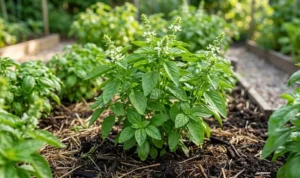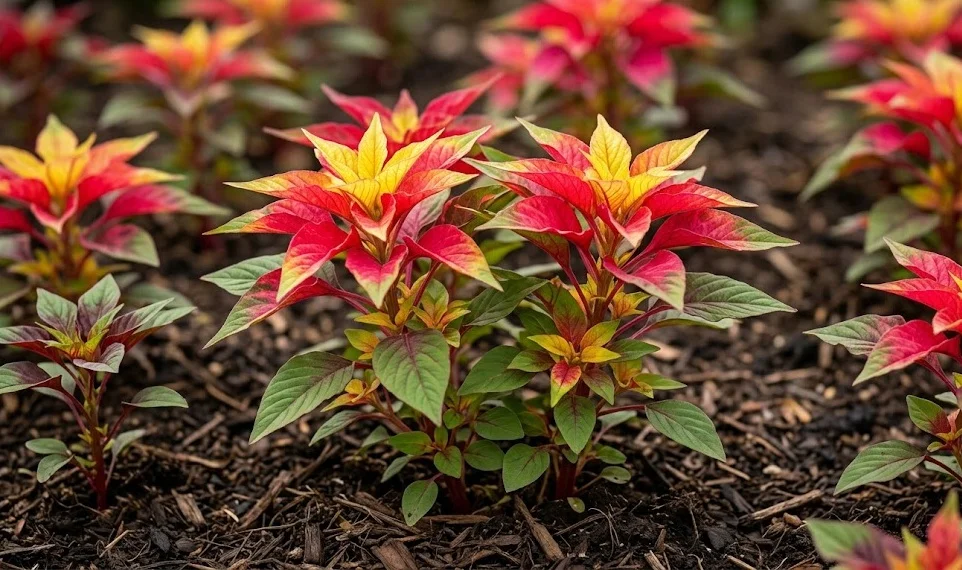

To achieve a full and dense appearance for your ornamental plants, you should implement a regular pinching and pruning strategy from an early age. You should begin by removing the main growing tip when the seedling has reached about fifteen to twenty centimeters in height. This simple action interrupts the apical dominance of the plant and stimulates the dormant buds along the stem to develop into side branches. The result is a much bushier specimen that provides a more dramatic and colorful impact in your garden beds or containers.
Maintaining this bushy habit requires you to continue pinching back the tips of the side branches as they develop throughout the early summer. You can use your thumb and forefinger to snap off the soft green tips, or use a pair of clean, sharp garden snips for a more precise cut. Each time you remove a tip, the plant will respond by producing even more branches, creating a lush and multi-layered canopy of foliage. This technique is particularly useful if you are using the plant as a low-growing border or a colorful filler between other perennials.
When you are pruning for shape, you should always step back frequently to view the plant from different angles to ensure a balanced look. You should aim for a symmetrical form that fits the space you have allocated for it in your overall garden design. Removing any branches that are growing in an awkward direction or crossing over each other will help to maintain a clean and professional appearance. Consistency is the key to success, so try to do a little bit of maintenance pruning every few weeks rather than one major cutting session.
Pruning also helps to improve the overall health of the plant by increasing the amount of light and air that can reach the interior of the canopy. You should remove some of the older, lower leaves if they begin to look tattered or yellow, as this allows the plant to focus its energy on the vibrant new growth. This improved air circulation is your best defense against common fungal diseases like powdery mildew that thrive in stagnant, humid conditions. A well-pruned plant is not only more beautiful but also more resilient and easier to maintain throughout the season.
Managing height and structural integrity
Some varieties of this species can grow quite tall and may become top-heavy if they are allowed to develop without any intervention from the gardener. You should consider cutting back the main stems if the plant starts to look leggy or if it is at risk of falling over in the wind. Cutting the stems back by about one-third of their total height will encourage a sturdier base and a more manageable overall size. This is especially important if you are growing the plants in an exposed location where they are subject to strong summer storms.
More articles on this topic
Supporting the stems with stakes or cages can be done in conjunction with your pruning efforts to provide the best structural integrity for your display. You should install any supports early in the season so that the plant can grow into and around them, hiding them from view as the foliage develops. Tying the stems loosely to the supports with soft garden twine will prevent damage and allow for natural movement in the breeze. A combination of thoughtful pruning and mechanical support will ensure that your tall specimens stay upright and look their best all summer.
If a plant has become excessively tall and thin due to a lack of light, a more drastic “renewal” pruning may be necessary to save its appearance. You can cut the entire plant back to about ten centimeters above the ground to force it to start over with fresh, new growth. Provided the plant is healthy and the weather is still warm, it will usually respond quickly by sending up a flush of new, more compact stems. This technique is a great way to revitalize a neglected plant and get it back on track for the remainder of the growing season.
You should always use clean and sterilized tools when performing any type of significant pruning to avoid introducing pathogens into the open wounds. Wiping your blades with rubbing alcohol or a mild bleach solution between different plants is a standard professional practice that prevents the spread of disease. Clean cuts heal much faster than ragged ones, which reduces the stress on the plant and allows it to return to its normal growth cycle quickly. Investing in a high-quality pair of bypass pruners will make this job much easier and more enjoyable for any serious gardener.
Deadheading and late-season care
Deadheading is the process of removing the spent flower heads before they have a chance to develop seeds and complete the plant’s life cycle. You should cut the flower spikes back to the nearest set of leaves as soon as they start to lose their color and look tattered. This practice encourages the plant to continue producing new foliage and may even stimulate a second flush of smaller flower heads. By preventing seed production, you are forcing the plant to remain in its vegetative stage for as long as possible during the summer.
More articles on this topic
In the late summer, you may want to stop all major pruning to allow the plant to mature naturally and prepare for the end of the season. You should let some of the flower heads remain if you plan on collecting seeds for the next year or if you want to provide food for the local bird population. The fading colors and maturing seeds have their own unique beauty that can add interest to the autumn garden landscape. Professional gardening is as much about knowing when to stop as it is about knowing when to intervene.
Removing any diseased or pest-infested branches should be done immediately, regardless of the time of year or the growth stage of the plant. You should dispose of this material in the trash rather than the compost pile to ensure that the problem does not return in the following year. Prompt action can often save the rest of the plant and prevent the issue from spreading to neighboring specimens in your garden beds. Keeping a sharp eye on the health of your plants is the most important part of your overall maintenance strategy.
Finally, you should take the time to clean and oil your pruning tools at the end of every gardening season to keep them in top condition for the future. Removing any sap or debris from the blades will prevent rust and ensure that they remain sharp for the next spring planting. Proper tool maintenance is a sign of a professional approach to horticulture and will save you money and frustration in the long run. A well-cared-for set of tools is the hallmark of a gardener who takes their craft seriously and values the quality of their work.