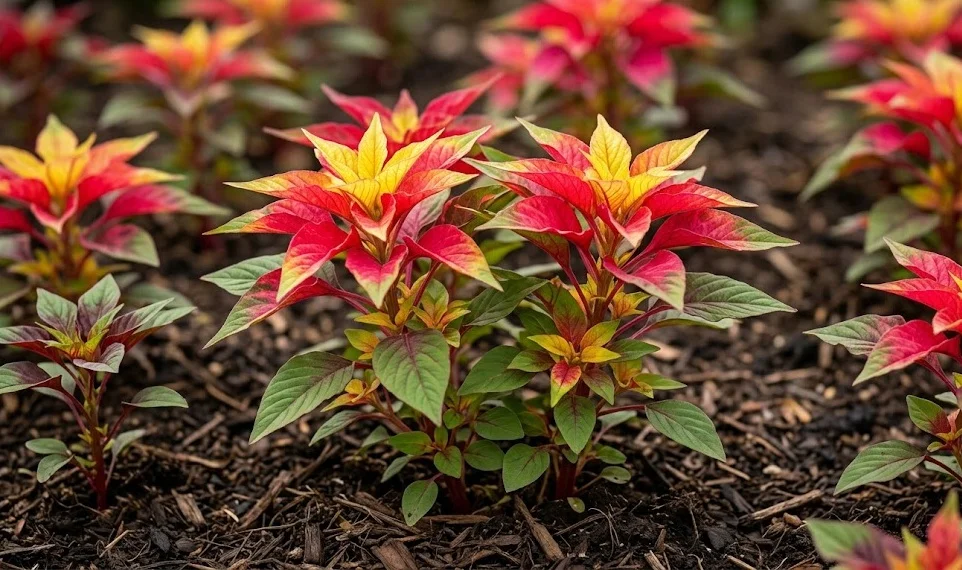

Fungal diseases are among the most frequent challenges you will face when growing this colorful and lush ornamental species in your garden. You should regularly inspect the leaves for any unusual spots, powdery coatings, or patches of discoloration that could indicate an infection. Early detection is the most important factor in preventing a small problem from turning into a widespread disaster that ruins your display. Maintaining a clean and organized garden environment will naturally reduce the number of fungal spores that can attack your plants.
Powdery mildew is a common fungal issue that often appears during the warm and humid days of mid-to-late summer. You will notice a white, flour-like substance spreading across the upper surfaces of the leaves and the stems of the plant. If left untreated, this fungus can interfere with photosynthesis and cause the leaves to turn yellow and drop prematurely. Improving the air circulation around your plants by providing proper spacing is one of the best ways to combat this particular problem.
Leaf spot diseases can also be a concern, especially during periods of frequent rainfall or when watering with overhead sprinklers. You might see small, dark brown or black circular spots appearing on the lower leaves of the plant first. These spots can eventually merge together, causing large sections of the foliage to wither and die off completely. Removing the infected leaves as soon as you see them will help to stop the spread of the fungal spores to the healthy parts of the plant.
Root rot is perhaps the most serious fungal condition, as it directly attacks the plant’s ability to take up water and nutrients from the soil. You should suspect root rot if you see your plants wilting even when the soil appears to be moist or even wet. The roots of an infected plant will look dark, mushy, and may have a distinctively unpleasant odor when you examine them. Avoiding overwatering and ensuring that your garden has excellent drainage are the primary ways to prevent this deadly condition.
Managing sap-sucking pests
Aphids are small, soft-bodied insects that can quickly colonize the tender new growth and the undersides of the leaves. You will often see them clustered together in large groups, sucking the nutrient-rich sap from the stems and foliage of your plants. Their feeding can cause the leaves to become distorted, curled, or stunted, which ruins the overall aesthetic appeal of the plant. A strong blast of water from a garden hose can often be enough to knock these pests off and reduce their population.
More articles on this topic
Spider mites are another common pest that thrives in the hot and dry conditions that are often found in the middle of the summer. These tiny arachnids are difficult to see with the naked eye, but you will notice fine webbing between the leaves and a stippled appearance on the foliage. Their feeding activity drains the vitality from the plant, causing the vibrant leaf colors to fade and eventually turn a dull gray or bronze. Increasing the local humidity around your plants can help to discourage these pests from taking up residence in your garden.
Whiteflies are tiny, winged insects that often congregate on the undersides of the leaves and fly up in a cloud when the plant is disturbed. Like aphids, they feed on the sap and produce a sticky substance called honeydew that can lead to the growth of black sooty mold. You should check the undersides of the leaves regularly to catch these pests before their numbers become unmanageable. Using yellow sticky traps can be an effective way to monitor and reduce the population of adult whiteflies in your garden area.
Thrips are very small, slender insects that feed by puncturing the leaf cells and sucking out the contents, leaving behind silvery streaks. You might also notice small black dots of excrement on the leaf surfaces, which is a sure sign of a thrips infestation. Their feeding can cause significant damage to the developing leaves and flower heads, leading to a ragged and unhealthy appearance. Introducing beneficial insects like lacewings or predatory mites can provide a natural and effective way to keep these pest populations under control.
Prevention and cultural controls
The best way to deal with pests and diseases is to prevent them from ever becoming a problem in your garden in the first place. You should always start with healthy, disease-resistant varieties and source your seeds or plants from reputable and clean nurseries. Keeping your plants in peak health through proper watering and fertilization makes them much more resilient to attacks from insects and pathogens. A stressed plant is always the first one to be targeted by pests and is the least likely to recover from an infection.
More articles on this topic
Crop rotation is a powerful tool that you can use to break the life cycles of soil-borne diseases and specialized garden pests. You should avoid planting the same or related species in the exact same spot year after year to prevent the buildup of pathogens in the soil. Moving your plants to a fresh location each season ensures that they have a clean start and access to a different set of soil nutrients. This simple practice is a cornerstone of sustainable and professional gardening management throughout the world.
Good sanitation practices are essential for maintaining a healthy and productive garden environment throughout the entire growing season. You should regularly remove any fallen leaves, spent flowers, or other plant debris that could harbor pests or fungal spores over the winter. Cleaning your gardening tools with a mild disinfectant after working on a diseased plant will prevent the accidental spread of infection to other areas. A tidy garden is not just about looks; it is a functional requirement for keeping your ornamental plants in top condition.
Providing adequate spacing between your plants is perhaps the single most effective way to reduce the incidence of foliar diseases. You must ensure that air can flow freely through the canopy to help the leaves dry quickly after rain or morning dew. If your plants become too crowded as they grow, do not be afraid to thin them out or prune back some of the interior branches. This increased ventilation creates an environment that is much less hospitable to the fungi and bacteria that cause most garden problems.
Organic and biological solutions
If you do encounter a pest or disease problem, you should consider using organic and biological treatments before reaching for harsh chemicals. Neem oil is a versatile and natural product that can be used to control a wide range of common garden pests, including aphids and mites. It also has antifungal properties that can help to manage issues like powdery mildew and various leaf spots. Always apply these products in the early morning or late evening to avoid harming beneficial pollinators like bees and butterflies.
Insecticidal soaps are another effective and relatively safe option for controlling soft-bodied insects like whiteflies and thrips on your ornamental plants. These soaps work by breaking down the outer shell of the insect, leading to dehydration and death without leaving harmful residues. You should ensure that you achieve thorough coverage of the plant, especially the undersides of the leaves where many pests like to hide. Repeated applications may be necessary to catch the newly hatched insects and fully resolve the infestation.
Encouraging natural predators in your garden is a long-term and sustainable strategy for maintaining a healthy balance of insects. You can plant a variety of flowers that provide nectar and pollen to attract ladybugs, hoverflies, and parasitic wasps to your landscape. These beneficial insects will work around the clock to hunt down and consume the pests that are trying to damage your crop. Creating a diverse and insect-friendly habitat reduces your reliance on external interventions and promotes a self-regulating garden ecosystem.
Bacillus thuringiensis, commonly known as Bt, is a naturally occurring bacterium that can be used to control the larvae of various moths and butterflies. If you notice holes in the leaves caused by caterpillars, a targeted application of Bt can provide a very specific and safe solution. This biological control only affects the targeted larvae and does not harm other insects, birds, or humans who may come into contact with it. Using these specialized biological tools is a sign of an advanced and environmentally conscious approach to modern gardening.
Dealing with environmental stress
Sometimes what looks like a disease or a pest problem is actually a symptom of environmental stress caused by poor growing conditions. You should check if your plants are receiving the correct amount of light, water, and nutrients before assuming they have an infection. Sunscald can cause bleached or papery patches on the leaves that can easily be mistaken for a fungal leaf spot or a chemical burn. Providing temporary shade during extreme heatwaves can prevent this type of physical damage and keep your plants looking their best.
Edema is a physiological condition that occurs when a plant takes up more water than it can transpire through its leaves. You might see small, water-soaked blisters or corky growths forming on the undersides of the foliage, which can look like a disease. This problem is usually caused by a combination of overwatering and high humidity levels during the cooler periods of the spring or autumn. Improving the drainage and reducing the watering frequency will usually allow the plant to recover and produce healthy new growth.
Nutrient toxicities or imbalances can also manifest as strange leaf discolorations or distorted growth patterns that mimic pest damage. For example, an excess of certain minerals can cause the edges of the leaves to turn brown or lead to a speckled appearance. You should always follow the recommended application rates for any fertilizers you use to avoid creating these stressful conditions in the root zone. A balanced and steady approach to feeding is always safer than trying to force rapid growth with heavy doses of chemicals.
Learning to distinguish between biotic factors like pests and abiotic factors like weather is a key skill for any expert gardener. You should keep a garden journal to record the weather patterns and any issues you observe throughout the season for future reference. This information will help you identify recurring problems and develop a more effective management plan for your specific location. Being observant and patient will allow you to build the expertise needed to maintain a vibrant and healthy garden year after year.