
Understanding the light requirements of common bistort is essential for achieving a healthy and aesthetically pleasing garden display. You will find that this perennial is quite flexible but definitely has its own specific set of preferences for optimal performance. While it is often described as a plant for full sun, it actually thrives in a variety of lighting conditions depending on the local climate. Finding the “sweet spot” in your own garden will result in the most vibrant leaves and the most abundant flower spikes.
The intensity of the sunlight is often more important than the total number of hours the plant spends in the sun. In northern regions with cooler summers, the plant will happily sit in full sun all day long without any signs of stress. However, in southern areas where the sun is much more intense, some protection from the afternoon heat is usually necessary. You should observe how the leaves react during the hottest part of the day to determine if your chosen spot is ideal.
Light also plays a significant role in the timing and duration of the flowering period for this species. Generally, plants grown in brighter locations will produce more flowers and have a more compact, sturdy growth habit overall. Those in deeper shade may still grow well, but they often produce fewer flower spikes and may have a more sprawling appearance. You should aim for a balance that provides enough energy for flowering without causing the foliage to scorch.
The transition of light throughout the day can also affect the plant’s moisture needs and overall health in the garden. A spot that receives morning sun and afternoon shade is often considered the perfect compromise for many moisture-loving perennials. This allows the plant to photosynthesize effectively in the cool of the morning while staying protected during the most stressful part of the day. Consistent observation of your garden’s unique light patterns will help you make the best planting decisions.
Optimizing light for maximum floral display
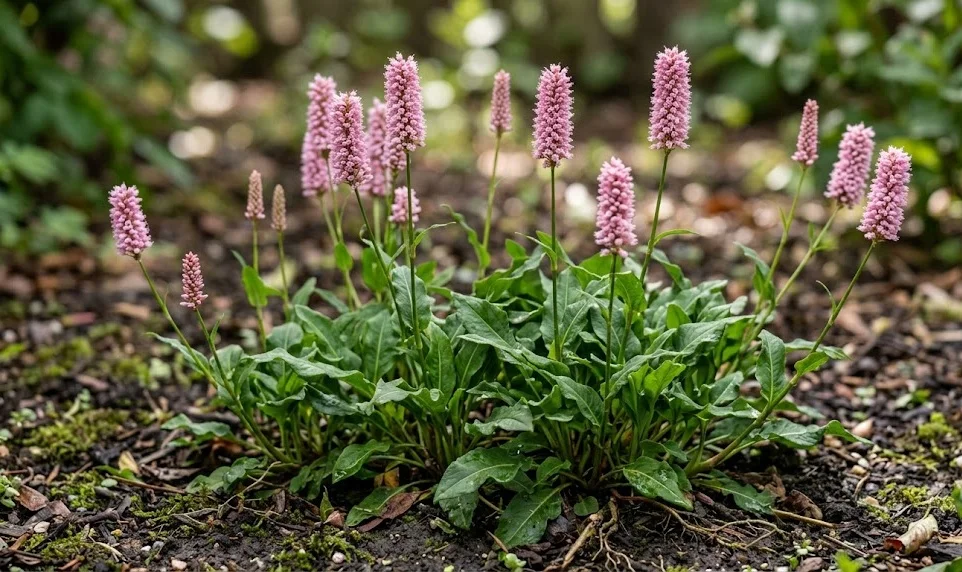
If your primary goal is a spectacular show of pink flowers, you should prioritize a location with plenty of direct sunlight. You should aim for at least six hours of sun per day to ensure that the plant has the energy it needs to produce spikes. Without sufficient light, the plant will focus more of its resources on leaf growth and may fail to bloom altogether. Sun-drenched plants also tend to have a more upright and professional-looking form in the border.
More articles on this topic
The quality of the light is just as important as the quantity when you are designing your perennial beds and borders. Direct, unfiltered sunlight provides the full spectrum of energy that the plant’s leaves use to create food through photosynthesis. If the light is filtered through dense tree canopies, it may not be strong enough to trigger a heavy flowering response. You might need to thin out some overhanging branches to let more light reach the ground level where your bistort is growing.
You should also consider the reflective light from nearby structures, such as white walls or fences, which can increase the total energy. This can be a double-edged sword, as it can sometimes lead to excessive heat buildup in a small or enclosed garden space. If you notice the leaves looking pale or “bleached” out, it might be receiving too much intense or reflected light. Providing a bit of natural shading with taller companion plants can help mitigate this particular problem.
Seasonal changes in light are another factor you should keep in mind as the garden evolves throughout the year. A spot that is in full sun in the early spring might be in deep shade by mid-summer once the nearby trees are in full leaf. You should plan your planting with the entire growing season in mind to ensure the plant gets what it needs at each stage. Understanding these shifting patterns is part of the professional approach to high-quality landscape design.
Managing growth in shaded garden conditions
While not a true shade plant, the common bistort can adapt surprisingly well to areas with partial shade or dappled sunlight. You might find that the large, green leaves actually look more lush and vibrant when they are not constantly baked by the sun. In these shadier spots, the soil also stays moist for much longer, which the plant certainly appreciates in the long run. It is an excellent choice for adding color and texture to the edges of woodland gardens or under light-canopied trees.
More articles on this topic
If you choose to grow your plants in more shade, you should be prepared for a slightly different growth habit than those in the sun. The stems may grow a bit taller and leaner as they reach upward for more light, which can sometimes lead to a floppy appearance. You might need to provide some discreet support or plant them more densely to help the individual stems hold each other up. This “soft” look can be very charming in a more naturalistic or cottage-style garden design.
Fungal issues can sometimes be more prevalent in shaded areas because the leaves stay wet for longer after rain or dew. You should be extra careful about spacing in these locations to ensure that there is still plenty of air moving through the foliage. If the shade is caused by high buildings or solid walls, the air can become stagnant, which is a perfect environment for powdery mildew. Keeping the garden floor clean of debris also helps reduce the risk of disease in these cooler, dimmer spots.
You can also use the light-reflecting properties of other plants to help brighten up a shady corner for your common bistort. Planting species with variegated or silver foliage nearby can help bounce some extra light onto the green leaves of the bistort. This creates a more dynamic and visually interesting space while also providing a small functional benefit to the plants involved. It is a creative way to solve a lighting challenge while enhancing the overall beauty of your garden.
Dealing with the effects of excessive sunlight
Excessive sunlight combined with high temperatures can lead to leaf scorch, which appears as brown, crispy edges on the foliage. You will notice this most often during long summer heatwaves when the plant’s internal water transport cannot keep up with the rate of evaporation. If this happens regularly, it is a clear sign that the plant needs more shade or a much more intensive watering schedule. Protecting the roots with a thick layer of mulch is absolutely essential in these high-sun environments.
If you notice your plants are struggling with too much light, you don’t necessarily have to move them immediately. You can provide some temporary “artificial” shade using garden fabric or even a strategically placed garden chair during the hottest part of the day. This can give the plant a much-needed break and prevent the foliage from suffering permanent damage during a heatwave. Over time, you might want to plant a taller perennial or a small shrub nearby to provide a more permanent source of afternoon shade.
Watering becomes a critical part of light management when you are growing sun-loving plants that also require high moisture levels. A plant that is well-hydrated is much better equipped to handle the stresses of intense sunlight without showing signs of damage. You should aim to keep the soil consistently damp so that the plant always has a reservoir of water to draw upon. This cooling effect from within the plant helps maintain its structural integrity and overall health even in the bright sun.
Finally, remember that the color of the flowers can sometimes fade more quickly in extremely bright, direct sunlight. If you want the pink spikes to maintain their deep color for as long as possible, a little bit of shade can be very beneficial. Many gardeners find that the most beautiful and long-lasting displays occur where the plants get plenty of light but are protected from the harshest rays. Finding this balance is one of the rewarding challenges of growing this versatile and attractive perennial species.