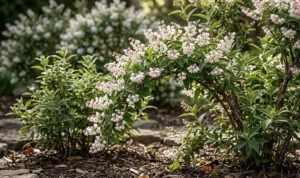
Preparing your yesterday-today-and-tomorrow shrub for the colder months is a critical task for any gardener living outside of purely tropical zones. Because this plant has no natural frost tolerance, even a single night of freezing temperatures can cause irreparable damage to its vascular system. Overwintering is not just about keeping the plant alive; it is about managing its dormant phase so that it returns with vigor in the spring. By carefully controlling the light, temperature, and moisture levels during this time, you ensure the long-term survival of your prized specimen.
The process of overwintering begins well before the first frost arrives, as the plant needs time to transition its metabolism from active growth to rest. As the days shorten in the late autumn, you will notice a natural slowing of new leaf production and a decrease in water consumption. This is the plant’s way of preparing for the leaner months ahead, and your care routine must shift to match these changing needs. Forcing the plant to stay active with heavy watering or heat during this time can actually weaken its overall health and reduce its lifespan.
If you live in a climate where winters are harsh, moving the shrub indoors or into a heated greenhouse is the only reliable option for protection. This transition can be stressful for the plant, as the environment inside a home is often much drier and darker than the outdoors. You must find a location that provides a balance between providing enough light to maintain the evergreen leaves and keeping the temperature cool enough to encourage rest. Mastering this indoor transition is the secret to having a large, mature shrub that survives for many decades.
During the overwintering period, the plant’s resistance to pests and diseases can be slightly lower due to the lack of natural sunlight and fresh air. You must remain vigilant and continue to perform regular inspections, even if you are interacting with the plant less frequently. Common indoor issues like spider mites or fungus gnats can quickly take advantage of the stagnant indoor environment if they are not caught early. With the right strategy, your shrub will emerge from its winter slumber ready to burst into its famous tri-colored floral display.
Timing and pre winter preparation
The most important rule of overwintering is to move your plant indoors before the night temperatures consistently drop below 10 degrees Celsius. While the shrub might survive cooler nights, the stress of the cold can trigger premature leaf drop and stall its spring development. Monitor the local weather forecasts closely starting in the early autumn so you are not caught off guard by a sudden cold snap. It is always better to bring the plant in a few days early than to risk leaving it out for one night too many.
More articles on this topic
Before bringing the shrub inside, you should perform a thorough cleaning and inspection to ensure you are not bringing any “hitchhikers” into your home. Wash the leaves with a gentle spray of water to remove any dust, spider webs, or hidden insects that might be residing in the foliage. Check the soil for signs of slugs or ants, and consider drenching the pot with a mild insecticidal soap solution if you suspect a pest problem. This “quarantine” step is essential for protecting your other indoor plants from potential infestations.
Pruning the plant slightly before moving it can make it easier to handle and help it fit into its designated indoor space. You should focus on removing any dead or damaged wood, as well as any excessively long or spindly branches that might get in the way. Avoid a heavy “rejuvenation” pruning at this time, as the plant does not have the energy to heal large wounds during its dormant phase. A light tidy-up is all that is needed to keep the shrub looking neat and manageable throughout the winter months.
Gradually reducing the amount of fertilizer you provide in the weeks leading up to the move will help the plant enter its rest state more naturally. By the time the plant is indoors, all feeding should have stopped completely until the following spring. This prevents the production of soft, weak growth that would be highly susceptible to the dry air and low light of a typical home. Think of the autumn as a “winding down” period that prepares the plant for the long winter sleep ahead.
Creating the ideal indoor environment
Finding the right spot for your shrub indoors involves balancing its need for light with its preference for cooler winter temperatures. A bright, south-facing window is often the best choice, provided the plant is not placed directly against the cold glass or near a heating vent. The ideal temperature for overwintering this species is between 13 and 18 degrees Celsius, which is slightly cooler than a standard living room. This moderate coolness helps keep the plant in a semi-dormant state, which is much healthier for it in the long run.
More articles on this topic
Humidity is the biggest challenge when keeping tropical plants indoors during the winter, as heating systems tend to strip the moisture from the air. A humidity level of 50% or higher is ideal, but this can be difficult to maintain in a centrally heated home without intervention. Using a humidifier in the same room or placing the pot on a large tray filled with water and pebbles can make a significant difference. Misting the leaves once a day with room-temperature water can also help prevent the foliage from becoming dry and brittle.
Light levels indoors are significantly lower than they are outside, even in the brightest window, which can lead to some natural leaf thinning. If your home is particularly dark, you might consider using a full-spectrum LED grow light to supplement the natural day length. Set the timer for about 10 to 12 hours of light a day to simulate a tropical winter day and keep the evergreen leaves healthy. This extra light can also help the plant maintain its internal clock, ensuring it is ready to bloom as soon as spring arrives.
Air circulation is often overlooked indoors, but it is vital for preventing the buildup of fungal spores and keeping the plant healthy. A stagnant room can lead to issues like powdery mildew or root rot if the soil stays wet for too long. You can use a small fan on its lowest setting to keep the air moving gently around the plant, but make sure it is not blowing directly onto the leaves. Opening a window for a few minutes on a mild day can also provide a much-needed exchange of fresh air for your indoor garden.
Water management during dormancy
The golden rule of winter watering is “less is more,” as the plant’s metabolic rate is at its lowest point of the year. Because the shrub is not actively growing or flowering, it uses a fraction of the water it would require during the height of the summer. You should allow the top two inches of soil to dry out completely before you even consider adding more moisture to the pot. Overwatering in the winter is the most common cause of death for these plants, as the cool, wet soil quickly leads to terminal root rot.
When you do water, use lukewarm water rather than cold tap water to avoid shocking the sensitive root system. Pour the water slowly and steadily until it begins to trickle out of the drainage holes, then empty the saucer immediately so the plant is not sitting in water. This deep but infrequent watering ensures that the entire root ball is hydrated without leaving the soil in a saturated state for days on end. If the soil feels damp at all, simply wait another few days and check it again.
Monitoring the plant’s foliage will give you clues about whether your winter watering schedule is correct for your specific indoor environment. If the leaves look slightly dull or start to droop just a little, it is usually a sign that the plant is ready for its next drink. On the other hand, if you see the edges of the leaves turning black or soft, you are likely watering too much and need to scale back. Learning to trust your observations rather than a fixed schedule is the mark of an experienced winter gardener.
If you have moved your plant to a very cool area, such as an unheated but frost-free garage or basement, its water needs will be almost zero. In these temperatures, the plant might even lose most of its leaves and enter a deep state of dormancy, which is perfectly normal. You only need to provide just enough water once every few weeks to keep the main stem and roots from shriveling up completely. This “minimalist” approach to watering is essential for surviving the coldest months in a non-living-space environment.
The transition back to the outdoors
As the days begin to lengthen and the risk of frost passes in the spring, it is time to prepare your shrub for its return to the garden. This process must be done gradually to avoid “sunscald” or temperature shock, which can damage the leaves that have grown accustomed to indoor life. Start by placing the plant in a shaded, sheltered spot outdoors for just a few hours during the warmest part of the day. Slowly increase its outdoor exposure over a period of two weeks until it is ready to stay out all night.
Before the plant resumes its full growth cycle, this is an excellent time to repot it if it has become root-bound in its winter container. Providing fresh soil and a slightly larger pot will give the roots the space and nutrients they need for the upcoming flowering season. Check the roots for any signs of winter damage and trim away any parts that look unhealthy before placing it in the new medium. This “fresh start” in the spring sets the stage for a vigorous and productive year ahead.
Once the plant is back in its permanent outdoor location, you can slowly begin to ramp up your watering and fertilization routine. Start with a diluted liquid feed to wake up the system, then move to a full-strength application once you see the first new green shoots appearing. The plant will likely respond to the increased light and humidity with a flush of new growth that will eventually lead to the first purple buds. Your careful overwintering has preserved the plant’s energy for this very moment of renewal.
Finally, keep a close eye on the late spring weather forecasts even after you think the danger of frost has passed completely. Spring weather can be notoriously unpredictable, and a late-season cold snap can be just as damaging as an early winter frost. Have a frost blanket or an old sheet ready to cover the plant if a cold night is predicted after it has already started its new growth. By protecting your yesterday-today-and-tomorrow shrub through this final transition, you ensure its health and beauty for the entire season.