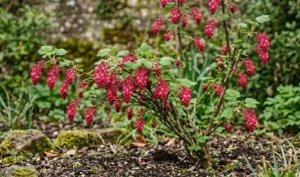
The art of pruning the yesterday-today-and-tomorrow shrub is essential for maintaining its compact shape and ensuring a spectacular flowering display each year. Without regular intervention, this plant can become quite sprawling and “leggy,” with most of the flowers appearing only at the tips of long, thin branches. Pruning not only improves the aesthetic appearance of the shrub but also encourages the growth of new wood, which is where the most vibrant flowers are produced. By following a professional pruning schedule, you can keep your plant healthy, productive, and perfectly sized for its location.
Timing is the most critical factor to consider before you pick up your pruning shears to work on this particular species. Because it produces its flowers on the current season’s growth, pruning at the wrong time can accidentally remove all the potential buds for the upcoming year. The ideal window for a major cut-back is immediately after the main flowering cycle has finished, which is usually in the late spring or early summer. This gives the plant the maximum amount of time to grow new, healthy stems that will be ready to bloom during the next cycle.
Using the correct tools and techniques will ensure that the plant heals quickly and that you do not introduce any diseases during the process. You should always use sharp, sterilized bypass pruners that make clean cuts without crushing the delicate vascular tissue of the stems. Ragged cuts take longer to heal and provide an entry point for fungal spores and insect pests that can compromise the health of the entire shrub. For larger, older specimens, a small pruning saw might be necessary to remove thicker wood at the base of the plant.
Pruning is also an opportunity to perform a “health check” on the internal structure of the shrub, removing any hidden problems before they escalate. By thinning out the center of the plant, you improve air circulation and allow more light to reach the inner leaves, which reduces the risk of disease. A well-pruned shrub looks organized and intentional, serving as a beautiful architectural element in your garden even when it is not in bloom. With a bit of practice and an eye for balance, anyone can master the skills needed to keep this tropical beauty in top form.
Establishing a pruning schedule and goals
Your primary goal when pruning should be to maintain a balanced, rounded shape that allows the flowers to be seen from all angles. Start by identifying the “three Ds”—dead, damaged, or diseased wood—and remove these completely as your first step. This immediately improves the plant’s health and makes it easier to see the underlying structure that you want to shape. From there, you can move on to more aesthetic pruning, focusing on reducing the height or width of the shrub to fit its designated space.
More articles on this topic
To encourage a bushier growth habit, you should use a technique called “pinching” or “heading back” on the soft new growth. This involves cutting the tip of a stem just above a set of leaves, which triggers the plant to produce two new stems from the nodes below the cut. Doing this several times during the early part of the growing season will create a much denser canopy with many more potential flowering sites. It is a simple way to transform a spindly plant into a lush, full specimen within a single season.
If your shrub has become old and woody with very little foliage at the bottom, you might consider a more aggressive “rejuvenation” pruning. This involves cutting back about one-third of the oldest stems right down to the base of the plant to stimulate fresh growth from the roots. You should spread this process over three years, removing a different third of the old wood each year until the entire plant has been refreshed. This prevents the shock of a single massive cut and ensures the plant remains productive throughout its long life.
For those growing the yesterday-today-and-tomorrow shrub as a formal hedge or in a specific topiary shape, more frequent light trimming will be necessary. You can lightly shear the outer surface of the plant every few months during the growing season to maintain its clean lines and organized appearance. Just remember to stop all pruning about two months before the expected flowering time to allow the buds to develop at the tips. This balance between formal shaping and floral production is the hallmark of a high-end garden display.
Techniques for maximum flower production
Since the most abundant blooms occur on the newest wood, your pruning should always aim to stimulate a continuous cycle of fresh growth. By removing about 20% of the older, non-productive stems each year, you ensure that the plant is always focusing its energy on young, vigorous branches. This “thinning” process also allows more sunlight to penetrate the interior of the shrub, which is essential for the development of those fragrant purple buds. A plant that is too dense in the center will often have a “hollow” look with flowers only on the very outside.
More articles on this topic
When making a cut, always aim for a 45-degree angle about a quarter of an inch above an outward-facing bud. This encourages the new growth to move away from the center of the plant, preventing the branches from becoming crossed and tangled over time. An outward-facing bud will produce a stem that expands the plant’s canopy, while an inward-facing one will grow into the center and restrict air circulation. These small details in your technique will have a significant impact on the long-term structural integrity of your shrub.
Deadheading, which is the removal of spent flowers, is another form of pruning that can help extend the blooming period of the yesterday-today-and-tomorrow shrub. While this plant is somewhat self-cleaning, removing the withered white flowers prevents the plant from wasting energy on seed production. This energy is then diverted back into the development of more flower buds, potentially giving you a longer and more intense display. Simply use your fingers or a small pair of snips to remove the faded blossoms just above the first set of leaves.
If you find that your plant is growing too fast and becoming unmanageable during the height of the summer, you can perform a “summer prune.” This is a lighter touch than the spring pruning and should focus on removing “water sprouts”—those fast-growing, vertical stems that look different from the rest of the plant. Removing these suckers keeps the plant’s energy focused on the established framework and maintains the overall aesthetic you have worked to create. Summer pruning is more about refinement and control than major structural changes.
Maintaining health through proper cutting
Always disinfect your pruning tools before moving from one plant to another to prevent the accidental spread of viruses and fungal pathogens. A simple solution of one part bleach to nine parts water, or a quick wipe with 70% isopropyl alcohol, is sufficient to kill most common garden diseases. This is especially important if you are pruning out diseased sections of a plant, as the spores can easily hitch a ride on your blades to a healthy branch. Good hygiene in the garden is just as important as it is in any other professional environment.
Observe the “node” structure of the stems carefully before making any cuts to ensure you are placing them in the most effective spots. The nodes are the small bumps on the stem where leaves and new branches emerge, and they contain the highest concentration of growth-stimulating hormones. Cutting too far away from a node leaves a “stub” that will eventually die back and rot, creating a potential entry point for pests. By cutting just above the node, you work with the plant’s natural healing abilities to seal the wound quickly and efficiently.
After a major pruning session, the plant will benefit from a deep watering and a light application of a balanced fertilizer to support its recovery. The act of pruning is essentially a controlled injury, and the plant needs extra resources to produce the new growth you are trying to encourage. Monitor the plant for any signs of stress, such as wilting or unusual leaf drop, in the days following a heavy cut-back. If the weather is particularly hot and dry, providing a bit of temporary shade can also help the plant deal with the sudden loss of foliage.
Finally, remember that pruning is a skill that improves with time and observation as you learn how your specific shrub reacts to different types of cuts. Do not be afraid to make mistakes, as the yesterday-today-and-tomorrow shrub is a resilient grower that can usually recover from even a poorly timed or overly aggressive prune. Keep notes in your garden journal about when you pruned and what the results were the following season to refine your approach. Over the years, you will develop an intuitive sense of exactly where and when to cut for the most beautiful and healthy plant possible.