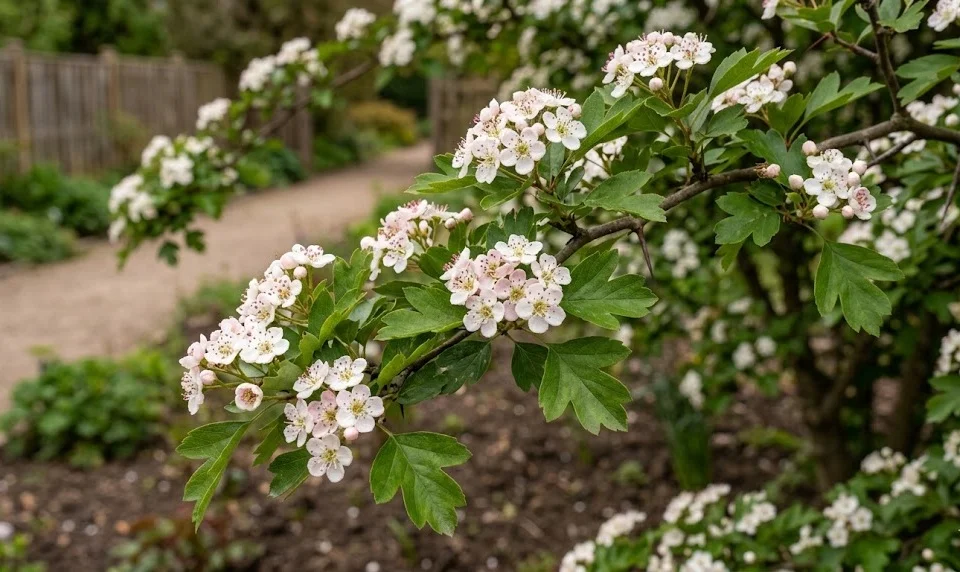

Understanding the fundamental needs of the midland hawthorn is the first step toward maintaining a healthy and vibrant specimen in any professional landscape or garden. This deciduous shrub or small tree is prized for its beautiful spring blossoms and attractive autumn berries, making it a staple in temperate regions. To ensure its longevity and aesthetic appeal, one must pay close attention to the specific environmental conditions it requires to thrive. Cultivating this species involves a blend of traditional horticultural knowledge and modern management practices to achieve the best results.
The soil composition serves as the foundation for the health of your midland hawthorn, requiring a balanced approach to drainage and nutrient availability. While this plant is remarkably adaptable, it shows a clear preference for heavy, moisture-retentive soils that do not become waterlogged. A loamy or clay-based substrate with a neutral to slightly alkaline pH level provides the ideal chemical environment for root development. Regular soil testing is recommended for professional growers to monitor mineral content and ensure that the tree can access essential macro and micronutrients throughout the growing season.
Climatic conditions play a significant role in the daily physiological processes of the hawthorn, especially regarding temperature fluctuations and humidity levels. This species is native to temperate woodlands and hedgerows, meaning it has evolved to withstand cold winters and moderately warm summers. It is important to place the plant in a location where air circulation is sufficient to prevent the buildup of fungal pathogens on the foliage. Extreme heat or prolonged drought can stress the plant, so providing some afternoon shade in very hot climates can be a beneficial management strategy.
Establishing a routine for seasonal maintenance allows the gardener to address the changing needs of the hawthorn as it moves through its annual cycle. In the spring, the focus should be on supporting the massive energy expenditure required for flowering and leaf production. Summer management centers on monitoring moisture levels and protecting the plant from high-intensity solar radiation. As autumn approaches, the development of the berries becomes the priority, followed by preparing the tree for its dormant phase during the winter months.
Site selection and environmental factors
Choosing the right location is perhaps the most critical decision an arborist or gardener will make when introducing this species to a site. The midland hawthorn requires ample space to reach its full natural form without being crowded by competing vegetation or structures. It thrives best in positions that offer full sun or very light partial shade, as this encourages the densest flowering and berry production. Mapping the sun patterns across the garden will help you identify the “sweet spot” where the plant can maximize its photosynthetic potential.
More articles on this topic
Wind exposure is another environmental factor that requires careful consideration during the planning phase of your landscape design. While the hawthorn is sturdy, constant high winds can cause physical damage to the delicate spring blossoms and dry out the foliage prematurely. Planting it near a windbreak or within a sheltered grove can provide the necessary protection while still allowing for adequate light. You should also consider the proximity to walkways, as the thorns can be a hazard in high-traffic areas if the plant is not managed correctly.
The surrounding ecosystem should also be evaluated to ensure that the hawthorn integrates well with existing flora and fauna. This plant is a significant resource for local biodiversity, providing nectar for pollinators and shelter for small birds. However, it can also compete for resources if planted too close to other vigorous shrubs or trees with invasive root systems. Understanding the underground dynamics of your garden will help you avoid root competition and ensure that each plant has enough room to expand.
The long-term stability of the site is essential because the midland hawthorn is a slow-growing but long-lived species. You should avoid areas that are prone to sudden changes in topography or locations where future construction might interfere with the root zone. Assessing the water table and natural drainage patterns will prevent future issues with root rot or desiccation. A stable environment allows the tree to build a strong structural framework that will support its weight for decades to come.
Soil management and fertility
Maintaining the physical structure of the soil is vital for the long-term vigor of the midland hawthorn and its resistance to environmental stress. Heavy clay soils, while nutrient-rich, can become compacted over time, which restricts oxygen flow to the root system. Integrating organic matter such as well-rotted compost or leaf mold can improve soil aeration and enhance its ability to hold moisture without becoming stagnant. Professional landscapers often use mulching techniques to keep the soil structure intact and prevent surface crusting during dry spells.
More articles on this topic
The chemical balance of the soil must be monitored to ensure that the hawthorn can efficiently uptake the nutrients required for its metabolic functions. A pH level between 6.0 and 7.5 is generally considered ideal for this species, as it allows for the optimal availability of phosphorus and potassium. If the soil is too acidic, applying lime can help raise the pH, while sulfur can be used to lower it if the ground is too alkaline. Regular monitoring allows for precise adjustments that prevent nutrient lockout and promote healthy leaf color and stem strength.
Micronutrients, although needed in smaller quantities, are just as important as the primary elements for the overall health of the tree. Iron and magnesium are particularly important for chlorophyll production, and a deficiency in these can lead to chlorosis or yellowing of the leaves. Applying a balanced, slow-release fertilizer in early spring provides a steady supply of these minerals throughout the peak growing period. It is better to provide smaller, consistent doses of nutrients rather than one heavy application that could burn the sensitive roots.
Organic amendments serve a dual purpose by feeding the plant and supporting a healthy community of soil microorganisms. Mycorrhizal fungi form symbiotic relationships with the hawthorn roots, significantly increasing their surface area and improving water absorption. Encouraging these beneficial organisms through the use of organic mulches and avoiding excessive synthetic chemicals creates a more resilient plant. This holistic approach to soil health reduces the need for intensive interventions and fosters a more natural growth habit.
Growth habits and architectural form
The midland hawthorn is characterized by its dense, twiggy growth habit and its ability to form a rounded or spreading canopy over time. Understanding this natural form is essential for anyone wishing to incorporate the plant into a formal garden or a more naturalistic landscape. It typically reaches a height and spread of five to eight meters, though this can vary significantly depending on the cultivar and local conditions. Recognizing the growth rate allows you to plan your garden layout effectively without fearing that the plant will quickly outgrow its space.
The structural integrity of the branches is a key feature of this species, as it produces hard, durable wood that can withstand significant physical stress. Younger trees may require some initial guidance or staking to ensure they develop a strong central leader and balanced limb distribution. As the tree matures, the branching pattern becomes increasingly complex, creating a beautiful winter silhouette even after the leaves have fallen. Professional arborists appreciate this complexity, though it does require careful observation to identify any crossing or rubbing branches.
Thorns are a natural defense mechanism of the midland hawthorn and are a defining characteristic that should be respected by the gardener. These sharp structures are found along the stems and can make maintenance tasks like pruning or harvesting berries somewhat challenging. It is important to wear protective clothing and use the right tools when working closely with the plant to avoid injury. In some landscape applications, these thorns are used purposefully to create impenetrable hedges that offer security and privacy.
The foliage of the midland hawthorn consists of small, deeply lobed leaves that provide a fine texture to the landscape. These leaves emerge in a bright green hue in the spring, maturing to a darker shade in the summer before turning yellow or bronze in the autumn. This seasonal color shift adds dynamic interest to the garden and serves as a visual indicator of the plant’s health. Maintaining a dense canopy of healthy leaves is a primary goal of the care routine, as it supports the plant’s overall energy production.
Reproductive cycle and flowering
The flowering stage is undoubtedly the highlight of the midland hawthorn’s year, usually occurring in late spring or early summer. Clusters of white or pink blossoms cover the tree, creating a stunning visual display and filling the air with a characteristic fragrance. Each flower is a complex structure that requires significant energy reserves from the tree to produce successfully. Ensuring the plant has adequate moisture and nutrients during the preceding months is critical for a prolific bloom.
Pollination is primarily carried out by bees and other flying insects that are attracted to the nectar and pollen of the hawthorn flowers. This interaction is a vital part of the local ecosystem and ensures the production of the red berries, or haws, that follow the flowers. If the weather is particularly cold or wet during the flowering period, pollinator activity may be reduced, leading to a smaller fruit crop. Gardeners can support this process by creating a pollinator-friendly environment with a variety of flowering plants that bloom at different times.
Following successful pollination, the berries begin to develop and will ripen throughout the late summer and early autumn. These haws are a valuable food source for birds, who also help to disperse the seeds over a wide area. For the gardener, the berries provide a long-lasting splash of color that persists well into the winter months. Monitoring the development of the fruit can give you insights into the plant’s general health and the success of your care regimen.
Seed production is the final stage of the reproductive cycle, and while the hawthorn can be grown from these seeds, it requires patience. The seeds have a deep dormancy that must be broken by specific environmental triggers, such as a period of cold stratification. Understanding this cycle is fascinating for the home gardener and essential for the professional nurseryman. Even if you do not intend to propagate the plant yourself, observing the cycle helps you appreciate the resilience and complexity of the species.
Monitoring and preventive care
A proactive approach to health monitoring is the best way to ensure that your midland hawthorn remains free from debilitating issues. Regularly inspecting the leaves, bark, and stems allows you to catch signs of stress or disease before they become major problems. Look for changes in leaf color, unusual spotting, or any signs of dieback in the smaller twigs and branches. Keeping a garden journal can help you track these observations over several seasons and identify patterns that may require intervention.
Good hygiene in the garden is a simple but effective way to prevent the spread of pathogens that could harm your hawthorn. Removing fallen leaves and fruit at the end of the season reduces the overwintering sites for many common fungal spores and insect pests. Pruning tools should always be cleaned and disinfected between uses to prevent the accidental transfer of bacteria from one plant to another. These small, consistent actions create a cleaner environment where the hawthorn can focus its energy on growth rather than fighting off infections.
Water management is closely linked to preventive care, as both underwatering and overwatering can weaken the plant’s natural defenses. Stressed plants are much more susceptible to attacks from opportunistic pests and diseases that would not normally affect a healthy specimen. Ensuring a consistent supply of moisture during dry periods keeps the vascular system functioning optimally and maintains the turgidity of the cells. Deep watering techniques that reach the lower root zones are far more effective than frequent, shallow applications.
Education and staying informed about local agricultural trends can also help you protect your midland hawthorn from emerging threats. Sometimes a new pest or disease may enter a region, and being aware of the symptoms early can save your tree. Joining local gardening groups or consulting with professional arborists provides access to a wealth of shared knowledge and expertise. This community-based approach to plant care ensures that you are never alone in managing the health of your landscape.
Long-term sustainability and legacy
The midland hawthorn is more than just a seasonal decoration; it is a long-term investment in the beauty and health of your outdoor environment. As the tree ages, it takes on a more dignified character, with its bark becoming more fissured and its canopy more expansive. Caring for an older specimen requires a shift in perspective, focusing more on conservation and less on rapid growth. Providing supplemental support for heavy branches or thin-layer mulching can help an aging tree maintain its vitality.
Integrating this species into a sustainable landscape design involves considering its role within the wider environment. It is an excellent choice for creating “edible landscapes” or permaculture systems where every plant serves multiple purposes. Beyond its beauty, the hawthorn contributes to soil stability and provides essential resources for the local wildlife population. By choosing a native or well-adapted species like the midland hawthorn, you are reducing the need for intensive chemical inputs and high-water usage.
The cultural and historical significance of the hawthorn also adds a layer of depth to its presence in your garden. It has been a part of the European landscape for centuries, appearing in folklore, literature, and traditional medicine. Planting one today is a way of connecting with this rich heritage and passing it on to future generations. The tree you plant now may well be enjoyed by people a hundred years from now, making it a true living legacy.
In conclusion, the successful care of the midland hawthorn is a rewarding endeavor that combines technical skill with an appreciation for nature. By paying attention to soil, climate, and the natural growth cycle, you can ensure that this remarkable plant thrives. Whether you are a professional landscaper or a dedicated home gardener, the principles of expert care remain the same. Consistency, observation, and a respect for the plant’s biological needs are the keys to a flourishing hawthorn.

