
Mastering the art of pruning is one of the most effective ways to influence the health, shape, and longevity of your plants. This species responds remarkably well to cutting, whether you are aiming for a formal hedge or a more natural, open-grown tree. A professional approach to pruning involves understanding when to cut, where to make your incisions, and why each action is necessary. By following these guidelines, you can maintain a beautiful and well-behaved specimen that enhances your landscape for years.
The best time for major pruning is during the late winter or very early spring while the plant is still in its dormant phase. During this period, the lack of leaves allows you to see the branch structure clearly, making it easier to decide which parts to remove. Pruning while dormant also minimizes the stress on the plant and reduces the risk of attracting pests or spreading diseases. You will find that the plant responds with a vigorous burst of new growth as soon as the temperatures begin to rise.
Before you begin, ensure that your tools are sharp, clean, and properly sized for the task at hand. Using dull shears or saws can crush the plant’s tissues, leading to slower healing and a higher risk of infection. You should also have a plan in mind before you make the first cut to avoid over-pruning or creating an unbalanced shape. A thoughtful, deliberate approach is what separates a professional gardener from someone who simply hacks away at their plants.
Light maintenance pruning can be done throughout the growing season to remove any dead, damaged, or diseased wood as soon as it appears. This keeps the plant looking tidy and prevents minor issues from becoming more serious over time. You can also snip off any particularly unruly shoots that are growing out of bounds or disrupting the overall form. Just be sure to avoid heavy pruning in the late summer, as this can stimulate new growth that won’t have time to harden off before winter.
Shaping and structural pruning
If you want to train the plant into a single-trunked tree, you should start by identifying the strongest, straightest central leader. Gradually remove the lower side branches over several years to lift the canopy and create a clear trunk. This process requires patience, as you don’t want to remove too much foliage at once and starve the tree of its energy. Once the desired trunk height is reached, you can focus on shaping the upper canopy into a balanced and attractive crown.
More articles on this topic
For those who prefer a more shrub-like appearance, you can encourage a multi-stemmed habit by cutting the plant back harder in its early years. This stimulates the growth of multiple shoots from the base, resulting in a denser and more rounded form. You should thin out the center of the shrub occasionally to ensure that light and air can reach all parts of the plant. A well-thinned shrub is much less likely to develop fungal problems or become a tangled mess of dead wood.
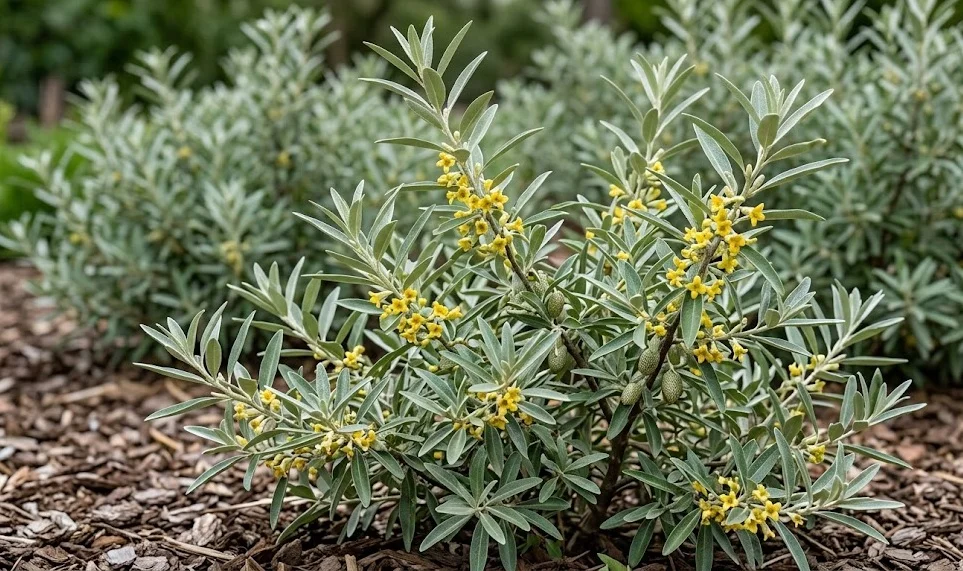
Creating a formal hedge requires a more regular and precise pruning schedule to maintain its crisp lines and dense foliage. You should shear the plant two or three times during the growing season, always making sure the bottom of the hedge is slightly wider than the top. This “tapering” allows sunlight to reach the lower branches, preventing them from becoming thin and leggy. While it requires more work, a well-maintained silver hedge is a truly stunning professional-grade feature in any garden.
Rejuvenation pruning is an option for older, neglected specimens that have become overgrown or unattractive. This involves cutting the entire plant back significantly—sometimes to within a few feet of the ground—to encourage a fresh start. This should only be done in late winter and only on healthy, established plants that have a strong root system. While it can look a bit drastic at first, the plant will usually respond with rapid and healthy new growth that can then be trained properly.
Techniques for healthy healing
When making a cut, always aim to prune just above a healthy bud that is facing in the direction you want the new branch to grow. This “outward-facing bud” technique helps to keep the center of the plant open and prevents branches from crossing and rubbing against each other. Make your cut at a slight angle so that water can run off easily rather than sitting on the open wound. These small technical details make a big difference in how quickly and cleanly the plant heals.
More articles on this topic
For larger branches, use the three-cut method to prevent the weight of the branch from tearing the bark down the trunk. Start with an undercut about a foot away from the trunk, then make a second cut from the top just outside the first one to remove the bulk of the branch. Finally, make a clean final cut just outside the branch collar, which is the slightly swollen area where the branch meets the trunk. This professional technique ensures a clean wound that the plant can naturally seal over in a short amount of time.
Avoid using “pruning paint” or wound dressings, as research has shown that these can actually trap moisture and pathogens against the cut surface. A healthy plant is perfectly capable of sealing its own wounds through a natural process called compartmentalization. Your job is simply to make a clean, professional cut and then provide the plant with the water and nutrients it needs to recover. Trusting in the plant’s natural defenses is a key part of a sustainable and expert gardening philosophy.
Finally, always step back frequently during the pruning process to view the plant from a distance and from multiple angles. It’s very easy to get “lost” in the details and end up with a shape that is lopsided or too thin. Taking a moment to assess the overall balance ensures that your final result is aesthetically pleasing and fits the scale of your landscape. Pruning is as much an artistic endeavor as it is a scientific one, and it rewards those who take their time.