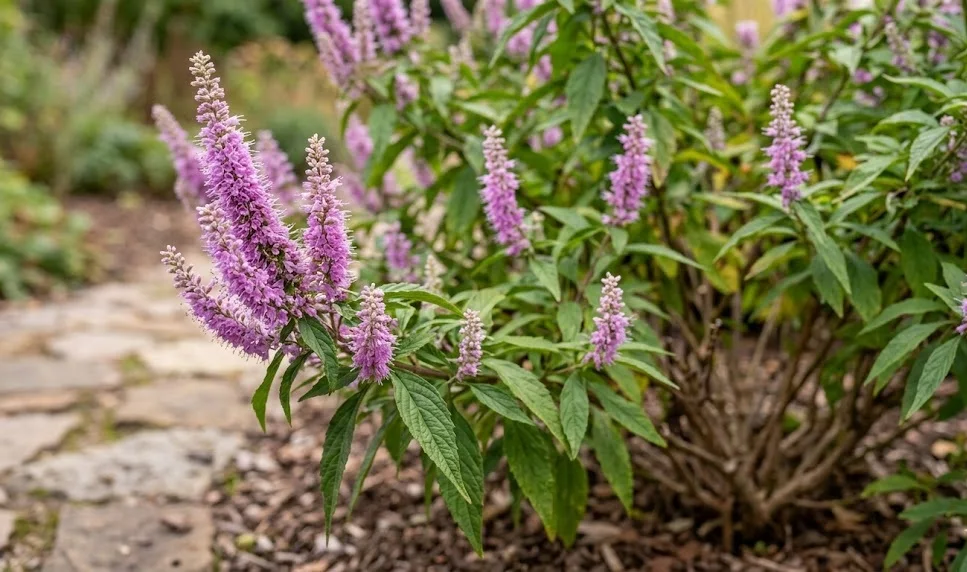

Pruning is an essential maintenance task that ensures the late mint shrub maintains its compact, rounded shape and continues to produce high-quality blooms. The most important rule for this species is to perform the major pruning in the early spring, just as the new growth begins to appear. Because this shrub produces its flowers on the current season’s wood, pruning it in the spring will not sacrifice the upcoming autumn display. This timing allows the plant to heal its wounds quickly during the vigorous growth phase that follows the winter dormancy.
You should avoid pruning the shrub in the late autumn or during the middle of winter, as this can expose the inner stems to frost damage. Open cuts made during the cold months do not heal as effectively and can become entry points for rot or moisture-related diseases. If the plant looks a bit untidy after the first frost, it is much better for its health to leave the spent stems intact until the spring. The dead foliage and flower heads can also provide a small amount of extra insulation for the plant’s crown during the freezing months.
Observing the buds is the best way to determine the exact moment to start your spring pruning routine. Once you see the tiny green points of new leaves emerging from the woody stems, you know the plant’s sap is flowing and it is ready for maintenance. You should aim to complete the task before the new growth has expanded significantly to avoid wasting the plant’s energy on branches you intend to remove. This proactive approach ensures that all the plant’s resources are directed into the permanent framework you have selected.
While the primary pruning happens in the spring, you can perform minor “housekeeping” cuts throughout the growing season if needed. If a branch is broken by a storm or appears diseased, it should be removed immediately regardless of the time of year. These small, targeted interventions help to keep the plant healthy and prevent minor issues from becoming major problems. Always remember that the goal of professional pruning is to support the plant’s natural beauty and long-term vitality.
Techniques for structural integrity
When you begin the spring pruning process, start by removing the “three Ds”: dead, damaged, and diseased wood. Use sharp, sterilized bypass pruners to make clean cuts back to a healthy bud or a main branch junction. Removing these unproductive parts immediately improves the look of the shrub and prevents the spread of any potential pathogens. You will often find that the tips of the previous year’s growth have died back slightly over the winter, which is perfectly normal for this species.
More articles on this topic
To maintain a dense and bushy form, you should cut back the remaining healthy stems by about one-third to one-half of their total length. This type of heading cut stimulates the dormant buds lower down on the stem to break, resulting in more branches and a fuller appearance. You should always make your cuts at a slight angle about half a centimeter above a vigorous, outward-facing bud. This encourages the new growth to move away from the center of the plant, improving air circulation and light penetration.
If the center of the shrub has become too crowded with thin, spindly stems, you should perform some thinning cuts to open it up. Select a few of the oldest or weakest branches and remove them entirely at the base of the plant to allow more light to reach the core. This “opening up” of the plant is vital for preventing the interior from becoming a haven for pests and fungi during the humid summer months. A well-pruned mint shrub should have a balanced, symmetrical look that allows its natural rounded habit to shine.
For older specimens that have become overly woody or sparse at the bottom, you can use a more aggressive pruning technique known as rejuvenation. This involves cutting the entire plant back to within ten to fifteen centimeters of the ground in the early spring. While this might seem drastic, the late mint shrub is very resilient and will quickly push out a flush of vigorous new growth from the base. This method is an excellent way to “reset” a neglected plant and restore its youthful appearance and blooming capacity.
Rejuvenation and late-season maintenance
As the shrub ages over several years, the lower portions can become quite woody and may stop producing the aromatic leaves that the plant is known for. Regular rejuvenation pruning every few years can prevent this “leggy” look and keep the plant looking fresh and vibrant. You don’t have to cut the whole plant back every time; you can simply remove one-third of the oldest stems each year for three years. This staggered approach provides a constant supply of new wood without leaving a large gap in your garden border.
More articles on this topic
During the height of summer, you might notice that the shrub is growing more rapidly than you anticipated, potentially encroaching on neighboring plants. You can perform light “tipping” to manage the size and encourage even more branching before the flower buds begin to form. However, you should stop this type of pruning by mid-July at the latest to give the plant enough time to develop its autumn flower spikes. Cutting the plant too late in the summer will significantly reduce the number of purple flowers you get to enjoy in September.
Managing the post-flowering phase in the late autumn is a matter of personal aesthetic preference for most professional gardeners. Some prefer to leave the dried flower spikes and seed heads for their architectural interest and to provide food for birds during the winter. Others prefer a cleaner look and will trim off the spent flowers once they have turned brown and lost their color. Neither choice will harm the plant’s health, as long as you do not perform heavy structural pruning until the following spring.
In conclusion, mastering the art of pruning the late mint shrub is a simple but rewarding skill that pays dividends in garden beauty. By following the natural cycle of the plant and using the correct tools and techniques, you can ensure a spectacular show of color and scent every year. Remember that pruning is a conversation between the gardener and the plant, where your cuts guide its growth toward a healthy and aesthetically pleasing future. With a little bit of annual attention, this aromatic shrub will remain a highlight of your professional landscape for many seasons to come.