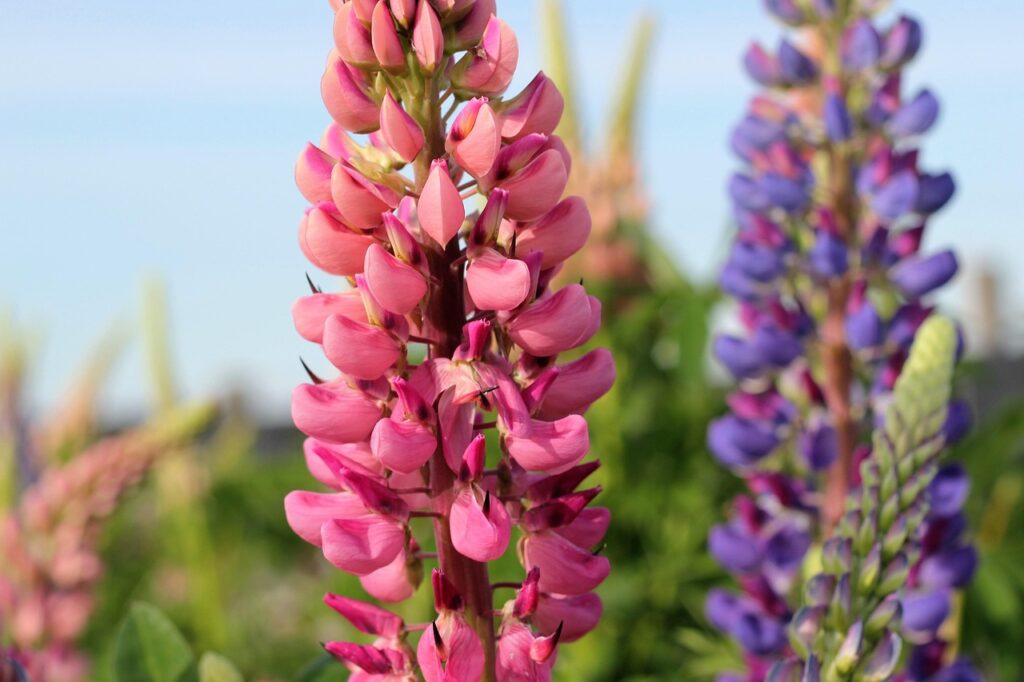

Getting these plants started in your garden requires a thoughtful approach to both timing and technique to ensure a successful establishment. You must prepare the site with care, as the deep taproots of these perennials do not take kindly to being moved once they are settled. Choosing the right method of propagation, whether from seed or division, depends largely on your goals and the specific varieties you wish to grow. This article will provide the professional insights needed to expand your collection and create a stunning floral landscape.
The process of planting begins long before the first shovel hits the dirt, starting with the selection of high-quality seeds or healthy nursery stock. You should look for seeds that are fresh and plump, as older ones often have a significantly lower germination rate. If you are buying young plants, check the root system to ensure it is not pot-bound or showing signs of rot. A healthy start is the most important factor in the long-term success of any new addition to your garden beds.
Propagation is a rewarding way to multiply your favorite colors and forms without spending a fortune at the garden center. You will find that some methods are more reliable than others, and the results can vary depending on the season. While seeds offer a way to get large numbers of plants, vegetative propagation ensures that the offspring are identical to the parent. Mastering these techniques allows you to take full control over the composition and variety of your horticultural displays.
As you plan your planting schedule, consider the natural rhythms of the seasons to give your new plants the best possible advantage. You should aim for periods of mild weather when the soil is workable and the risk of extreme temperatures is low. Early spring and late autumn are generally the most favorable times for both planting out and starting the propagation process. With the right timing and a little bit of expert knowledge, you can transform your garden into a sea of colorful spires.
Choosing the perfect spot
The location you choose will dictate the health and productivity of your plants for years to come. You should look for an area that receives at least six hours of direct sunlight each day to encourage strong stem development. While they can tolerate partial shade, too little light often results in “leggy” growth and fewer flowers. Take note of how the sun moves across your yard throughout the day before making a final decision on the planting site.
More articles on this topic
Soil drainage is the next critical factor that you must evaluate before you begin the planting process. You should avoid low-lying areas where water tends to collect after a heavy rain, as this will surely lead to root rot. If your soil is heavy clay, consider building raised beds or incorporating plenty of organic grit to improve the structure. Testing the drainage by digging a small hole and filling it with water can give you a clear idea of how quickly the site clears.
Protection from the elements is a professional consideration that is often overlooked by novice gardeners. You should find a spot that is sheltered from the prevailing winds, which can easily damage the tall and somewhat brittle flower spikes. Planting near a fence, a hedge, or among other sturdy shrubs can provide a natural windbreak. However, ensure that there is still enough air circulation to prevent the buildup of humidity around the foliage, which can invite disease.
Finally, consider the long-term space requirements of the mature plants so they have room to expand. You should space individual plants at least 12 to 18 inches apart to allow for their bushy growth habit. Overcrowding can lead to competition for nutrients and increased susceptibility to fungal issues like powdery mildew. Giving each plant its own dedicated space ensures that it can reach its full potential and display its flowers to their best advantage.
Growing from seed
Starting from seed is the most common way to introduce these plants into a garden, but it requires some preparation. You should know that the seeds have a very hard outer coat that can inhibit the absorption of water and delay germination. To overcome this, many gardeners use a technique called scarification, which involves lightly sanding the seed surface or nicking it with a knife. This allows moisture to penetrate more easily and speeds up the emergence of the first green shoots.
More articles on this topic
Soaking the seeds in lukewarm water for 24 hours before sowing is another professional tip to improve success rates. You will notice that the seeds swell significantly as they take in water, which is a clear sign that they are ready for the soil. After soaking, you should sow them immediately into small pots or directly into the garden bed if the weather is warm enough. Use a high-quality seed-starting mix that is light and well-aerated to support the initial root development.
Temperature control is vital during the germination phase, and you should aim for a consistent environment. You will find that seeds usually germinate best at temperatures between 15 and 20 degrees Celsius. If you are starting them indoors, a bright windowsill or a dedicated grow light will provide the necessary energy for the young seedlings. Be careful not to let the soil dry out completely, but also avoid overwatering, which can cause the delicate seeds to rot before they sprout.
Once the seedlings have developed a few sets of true leaves, they are ready to be hardened off and moved to their permanent home. You should gradually expose them to outdoor conditions over a week or two to prevent transplant shock. Start by placing them in a sheltered spot for a few hours a day and slowly increase their time in the sun and wind. This careful transition ensures that the young plants are robust enough to survive the challenges of the open garden.
Propagation by division
Dividing established clumps is a great way to rejuvenate old plants and create new ones at the same time. You should perform this task in early spring just as the first signs of new growth begin to appear. This timing allows the divisions to establish their own root systems before the heat of summer arrives. While not all varieties respond well to division due to their taproots, many garden hybrids can be successfully split if handled with care.
The process involves carefully lifting the entire root ball out of the ground with a garden fork. You should shake off the excess soil so you can clearly see the structure of the roots and the individual crowns. Using a sharp, clean knife or a spade, divide the clump into several smaller sections, making sure each one has at least one healthy bud and plenty of roots. Avoid making the divisions too small, as they may take longer to recover and bloom.
Replanting the divisions immediately is essential to prevent the roots from drying out during the process. You should prepare the new planting holes in advance and water them well before introducing the new plants. Set the divisions at the same depth they were previously growing and firm the soil gently around them to remove any air pockets. A light layer of mulch and a good soaking will help them settle into their new locations quickly.
Monitoring the new divisions for the first few weeks is a critical part of the professional propagation process. You might notice some wilting initially, but the plants should recover as they begin to draw water from their new environment. Avoid fertilizing immediately, as the focus should be on root establishment rather than top growth. Within a season or two, these divisions will grow into full-sized plants that are indistinguishable from the original parent.
Using basal cuttings
Basal cuttings are a more advanced propagation technique that allows you to create exact clones of your favorite specimens. You should take these cuttings in early spring when the new shoots are only a few inches long and still quite firm. This method is particularly useful for rare or expensive varieties that you want to preserve exactly as they are. It requires a bit more equipment and attention than sowing seeds, but the results are highly rewarding.
To take a cutting, you should use a sharp knife to remove a young shoot from the very base of the plant, including a small piece of the root crown if possible. This “heel” of older tissue often contains more of the natural hormones needed for root initiation. Immediately place the cuttings in a glass of water or a damp cloth to prevent them from wilting while you prepare the potting medium. Working quickly and cleanly is the key to a high success rate with this method.
Insert the cuttings into a pot filled with a mixture of perlite and peat or a similar professional propagation mix. You should provide a humid environment by covering the pot with a clear plastic bag or placing it in a heated propagator. Keep the cuttings in a bright spot but out of direct sunlight, which can quickly overheat the small enclosure. Check them daily for signs of rot and to ensure that the medium remains moist but not soggy.
Roots should begin to form within three to six weeks, at which point you will see new growth starting at the tip of the cutting. You can check for root development by giving the cutting a very gentle tug; if there is resistance, roots are likely present. Once they are well-rooted, you can pot them up individually into larger containers with standard potting soil. These young plants can be moved to the garden once they have filled their pots and the weather is favorable.