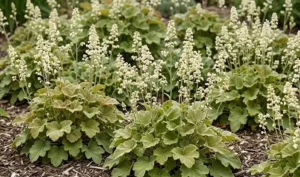
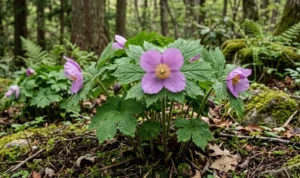
Pruning is a vital maintenance task that not only keeps your false spirea looking neat but also promotes the long-term health and vigor of the plant. Unlike many woody shrubs, these perennials require a more delicate and strategic approach to cutting back to avoid damaging the crown or the emerging buds. By understanding the timing and techniques for deadheading and seasonal cleanup, you can manage the plant’s energy and enhance its aesthetic appeal. A professional pruning routine is one of the simplest ways to ensure your garden remains a pristine and productive space year after year.
The art of deadheading flower plumes
Deadheading is the process of removing the spent flower plumes after they have finished blooming and begun to turn brown. While this does not usually trigger a second flush of flowers in false spirea, it does prevent the plant from wasting energy on seed production. By cutting off the old flowers, you encourage the plant to redirect its resources toward root development and leaf health. Most professional gardeners perform this task as soon as the plumes lose their vibrant color and begin to look untidy in the border.
When deadheading, you should follow the flower stalk down to the point where it emerges from the foliage and make a clean cut just above a leaf node. This ensures that you don’t leave unsightly “stubs” of stems sticking out above the green leaves, which can detract from the plant’s appearance. Use sharp, sterilized pruning shears to make the cuts, as this minimizes the risk of introducing pathogens into the open tissue. This simple task can be done throughout the mid-summer months to keep the garden looking fresh and well-maintained.
Some gardeners choose to leave the dried flower plumes on the plant because they provide a unique architectural interest and a bronze color in the late summer. The choice to deadhead is largely aesthetic, though removing the stalks can sometimes improve air circulation within the center of the clump. If you enjoy the look of the dried seed heads, you can leave them until the autumn cleanup without any significant harm to the plant. However, be aware that some varieties may self-seed if the plumes are left to fully mature and drop their seeds in the garden bed.
If the plant has been stressed by heat or drought during its flowering period, the plumes may turn brown prematurely and look particularly unattractive. In these cases, deadheading is highly recommended to improve the plant’s overall vigor and reduce the moisture demand on the roots. By removing the old flowers, you allow the plant to focus entirely on maintaining its foliage and surviving the environmental stress. This proactive approach to pruning is a key part of managing a resilient and beautiful perennial landscape.
More articles on this topic
Seasonal foliage cleanup
The most significant pruning task occurs in the late autumn or early spring when the entire plant is cut back to the ground. After the first hard frost, the foliage will naturally wither and turn brown as the plant enters its winter dormancy. You can cut the dead stems back to within two or three inches of the soil surface using a pair of sturdy garden shears. This cleanup removes the old growth and clears the way for the new shoots to emerge without obstruction when the weather warms up again.
Some professional gardeners prefer to leave the dead foliage standing throughout the winter to provide a natural layer of protection for the crown. The dry leaves and stems can help trap snow, which acts as an excellent insulator against the extreme cold and frost heaving. If you choose this “lazy” approach to autumn pruning, you must be sure to clear away the debris in the very early spring before the new growth starts. This ensures that you don’t accidentally cut off the tender new shoots while you are trying to remove the old, brittle stems.
Cleaning up the dead foliage also serves as an important sanitation measure to reduce the risk of pests and diseases in the following year. Many fungal spores and insect eggs can overwinter in the dead leaves and stems, waiting for the right conditions to re-emerge in the spring. By removing and composting (or discarding) the old material, you break the life cycle of these potential problems and start the new season with a clean slate. A tidy garden bed in the winter is often the sign of a well-managed and professional landscape.
If you notice any leaves that are significantly diseased or infested with pests during the growing season, you should prune them out immediately. Cutting away a few damaged leaves can often stop a problem from spreading to the rest of the plant or to neighboring perennials. Always dispose of this diseased material in the trash rather than the compost pile to avoid recycling the pathogen back into your garden. Targeted, mid-season pruning is a simple but effective tool for maintaining high standards of plant health.
More articles on this topic
Tools and techniques for precision
Investing in high-quality pruning tools is essential for making clean, precise cuts that heal quickly and minimize stress on the plant. A pair of sharp bypass pruners is the best choice for the relatively soft stems of the false spirea, as they cut like a pair of scissors. Avoid using anvil-style pruners, which can crush the stems and create a jagged wound that is more susceptible to rot and infection. Keeping your tools sharp and well-oiled will make the job much easier and ensure the best results for your plants.
It is a professional standard to disinfect your pruning shears before and after use, especially if you have been working on plants with known disease issues. You can use a simple solution of rubbing alcohol or a diluted bleach mixture to wipe down the blades between plants. This prevents the accidental transmission of viruses, bacteria, and fungal spores throughout your garden. Taking this extra step only takes a few seconds but can save you a significant amount of trouble in the long run.
When cutting back large clumps of established perennials, you can sometimes use a specialized serrated garden knife or a small hand-held sickle. These tools allow you to gather a handful of stems and cut them all at once, which can be much faster than using individual shears. This “bulk pruning” technique is often used in large-scale landscapes or when time is limited during the busy spring cleanup. Regardless of the tool you choose, the goal is always to make a clean cut that doesn’t tear the plant tissue.
Finally, always be mindful of your posture and ergonomics while pruning to avoid strain and fatigue during long sessions in the garden. Kneeling on a soft pad or using long-handled tools can help you reach the base of the plants without putting unnecessary pressure on your back. Taking frequent breaks and staying hydrated will keep you sharp and focused on the details that make a professional garden stand out. Expert gardening is as much about taking care of yourself as it is about taking care of the plants.
Rejuvenation and structural pruning
As false spirea clumps age, they can sometimes become overly dense or woody in the center, which can lead to a decline in bloom quality. While the primary solution for this is division, you can also use “thinning cuts” to improve the air circulation and light penetration within the plant. By removing a few of the oldest stems at the base in the early spring, you encourage the growth of fresh, vigorous shoots from the rhizomes. This structural pruning keeps the plant looking young and prevents the onset of fungal diseases in the interior of the clump.
If a plant has been severely damaged by a late spring frost or a sudden pest outbreak, you may need to perform “rejuvenation pruning.” This involves cutting the entire plant back to the ground even during the middle of the growing season to allow it to reset. While this may mean losing the flowers for that year, it often results in a much healthier and more vibrant flush of foliage within a few weeks. This drastic measure should be a last resort, but it is a powerful tool for saving a specimen that is in significant decline.
You can also use pruning to manage the overall size and shape of the plant to ensure it doesn’t overwhelm its neighbors in a crowded border. While these perennials have a naturally elegant and somewhat wild form, a bit of light shaping can help them fit better into a formal garden design. Be careful not to over-prune the foliage, as the plant needs its leaves to photosynthesize and store energy for the following year. A light touch is always better than a heavy hand when it is time to shape these delicate woodland beauties.
The final pruning task of the year is often the most satisfying, as it signals the completion of the growing cycle and the start of the winter rest. As you look back on your work, you can take pride in the fact that your careful maintenance has contributed to the beauty and health of your garden. Each cut you made was a deliberate choice to support the plant and enhance the landscape for everyone to enjoy. With a consistent pruning routine, your false spirea will remain a stunning and reliable part of your garden for many years to come.