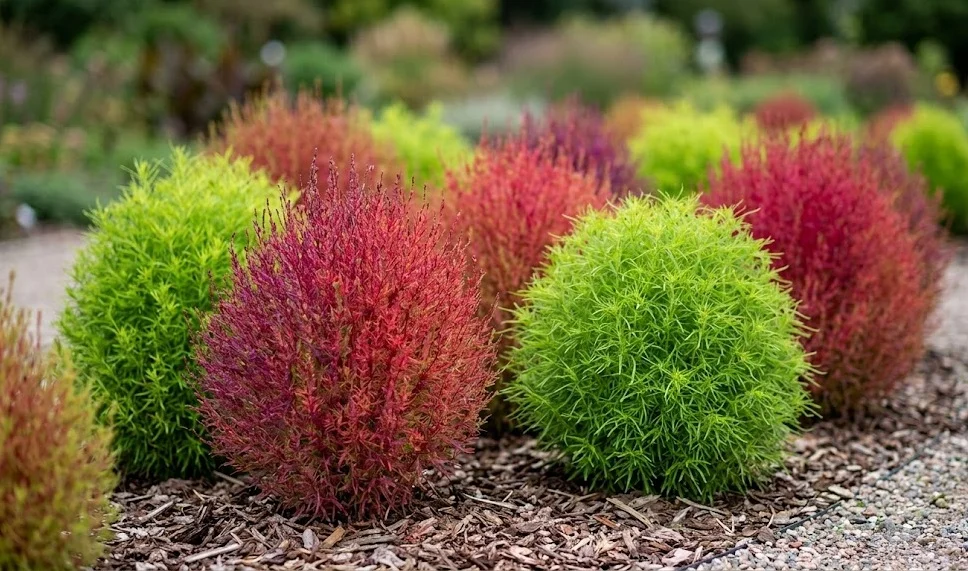

The garden burning bush is a heliophilic species, meaning it has an absolute requirement for high levels of direct sunlight to reach its full potential. In its native environments, it is found in open plains and steppes where it is exposed to the sun from dawn until dusk. For the home gardener, this means that selecting a location with at least six to eight hours of unobstructed sunlight is the single most important factor for success. Without sufficient light, the plant will fail to develop its characteristic dense, globe-like structure and will instead become leggy and unattractive.
Sunlight is the primary driver of the plant’s rapid growth during the summer months, providing the energy needed for its intense metabolic activity. When placed in full sun, the burning bush produces short internodes, which results in the tightly packed, feathery foliage that is so highly prized. This density not only looks better but also makes the plant more resilient to wind and rain. In contrast, a plant grown in partial shade will stretch toward the light, creating a sparse and fragile frame that is prone to collapsing.
The intensity of the light also affects the overall health and pest resistance of the specimen. Plants grown in bright, sunny locations typically have thicker cell walls and a more robust cuticle, making them less attractive to sucking insects like aphids. Furthermore, the rapid evaporation of dew and rainwater in a sunny spot prevents the humid conditions that favor fungal diseases like powdery mildew. Full sun is, therefore, a natural form of protection that reduces the need for chemical interventions.
If you are gardening in an urban environment where tall buildings or fences create significant shadows, you must be strategic about placement. South-facing walls or open center beds are usually the best options for ensuring the burning bush gets the light it craves. Even a few hours of shade during the hottest part of the afternoon can be tolerated, but the more sun the plant receives, the better it will perform. Professional landscapers always prioritize light exposure when incorporating this species into a design.
Photosynthetic efficiency
At the cellular level, the garden burning bush is a marvel of photosynthetic efficiency, adapted to turn sunlight into biomass at a remarkable rate. The fine, needle-like leaves provide a large surface area for light absorption while minimizing water loss through transpiration. This balance allows the plant to continue growing even during the intense heat of mid-summer, provided it has access to enough light. Understanding this biological drive helps the gardener appreciate why the plant reacts so poorly to shaded conditions.
More articles on this topic
When light levels are insufficient, the plant’s photosynthetic rate drops, leading to a visible decline in vigor. The first sign of light stress is often a change in the color of the foliage, which may turn a dull, yellowish-green rather than the vibrant lime-green of a healthy specimen. Over time, the lower branches may begin to drop their leaves as the plant prioritizes the growth of the upper sections that are closer to the light. This leads to the “leggy” appearance that many gardeners struggle with.
The relationship between light and water uptake is also a critical consideration for the professional horticulturist. A plant in full sun will process water much more quickly than one in the shade, necessitating a more attentive irrigation routine. However, this high rate of transpiration also helps the plant stay cool and move nutrients more effectively from the roots to the growing tips. Managing the interplay between light exposure and hydration is one of the more subtle skills in gardening with this species.
For container-grown specimens, the ability to move the plant to follow the sun can be a significant advantage. If you notice that one side of your burning bush is becoming thinner or less vibrant, rotating the pot every few days will ensure that all sides receive equal exposure. This simple practice promotes the symmetrical, rounded shape that is the hallmark of a well-grown specimen. Even in a stationary garden bed, thinning out overhanging tree branches can make a world of difference for the plants below.
Light and color transformation
The most spectacular feature of the garden burning bush—its dramatic autumn color change—is directly influenced by its light exposure throughout the season. The transition from green to crimson is triggered by a combination of shorter days, cooler nights, and high light intensity. Plants that have been grown in full sun all summer long typically produce the most uniform and vivid color displays. The abundant light allows the plant to build up the carbohydrate reserves necessary for the production of anthocyanin pigments.
More articles on this topic
In shaded or partially shaded locations, the color change may be delayed, muted, or even non-existent. Instead of the brilliant fiery red, the leaves might simply turn a muddy brown or yellow before falling off. This is often a great disappointment to gardeners who planted the bush specifically for its autumn impact. To avoid this, ensure that no late-season shadows from nearby tall perennials or structures are blocking the low-angled sun from reaching your plants.
The quality of the light during the autumn weeks also plays a role in the intensity of the hue. Clear, sunny days followed by cool, crisp nights are the ideal conditions for a show-stopping performance. The sunlight provides the energy for pigment synthesis, while the cool nights prevent the plant from consuming those pigments too quickly. This delicate environmental dance is what makes the burning bush such a fascinating and variable addition to the late-season garden.
Beyond the aesthetic appeal, the color change serves as a signal that the plant is completing its annual lifecycle and focusing on seed maturation. The pigments protect the sensitive plant tissues from light damage as the chlorophyll breaks down and the nutrients are relocated. By providing the best possible light conditions, you are supporting the plant through its final and most beautiful stage of life. A well-placed burning bush is a testament to the gardener’s understanding of the fundamental power of light.