
The relationship between sunlight and the physiological performance of these shrubs cannot be overstated by any professional horticulturist. While they are adaptable to many conditions, their ability to produce the iconic, fragrant blooms that define the species is directly tied to the amount of light they receive. You must understand the nuances of light intensity and duration to find the perfect location for these plants in your landscape. A well-lit specimen is not only more beautiful but also significantly more resistant to common diseases.
The benefits of full sun exposure
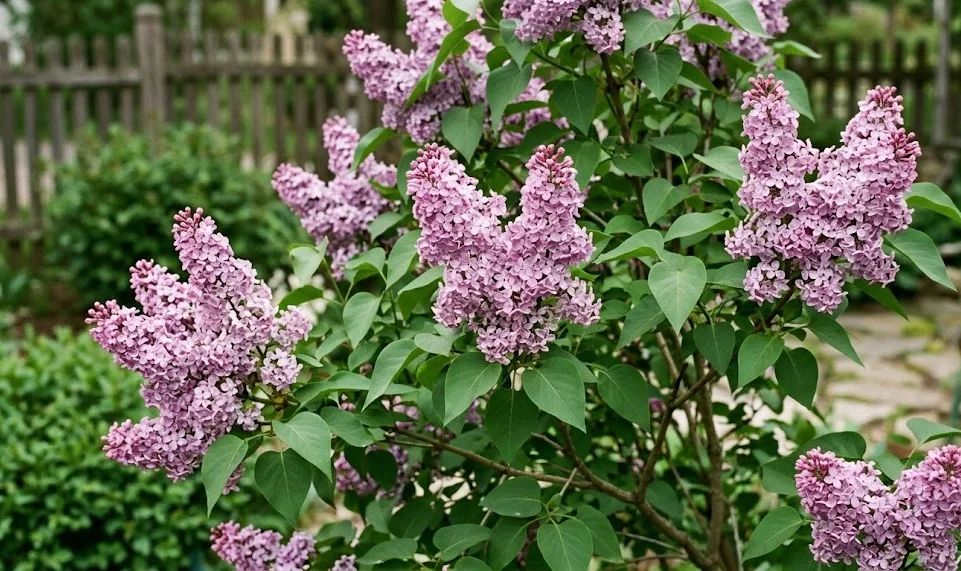
To achieve the best possible floral display, you should aim to provide your shrubs with at least six to eight hours of direct, unfiltered sunlight every day. This high level of light intensity is what fuels the production of carbohydrates through photosynthesis, which the plant then stores for bloom production. When grown in full sun, the shrub will develop a dense, compact form with sturdy branches that can support heavy flower clusters. Furthermore, the heat from the sun helps the fragrant oils in the petals evaporate, enhancing the scent throughout your garden.
Sunlight also plays a critical role in the health of the foliage and the prevention of fungal diseases. You will find that plants in sunny locations dry out much faster after rain or morning dew, which creates a hostile environment for spores like powdery mildew. The ultraviolet rays from the sun act as a natural disinfectant, keeping the leaf surfaces cleaner and more vibrant. If you notice that your lilac is struggling with constant leaf spots, the first thing you should check is the amount of light it receives.
In addition to health and flowering, full sun exposure influences the overall structural integrity of the plant. In bright conditions, the internodes (the space between leaves on a stem) remain short, leading to a much more robust and less “leggy” appearance. You will notice that sun-drenched plants have thicker stems and are less likely to flop over during heavy rains or wind. This natural reinforcement reduces the need for artificial supports or intensive structural pruning over time.
For those living in northern climates, maximizing sun exposure is even more vital due to the shorter growing season. You should position your shrubs on the south or west side of your property to capture as much solar energy as possible. This ensures the plant has enough time to harden off its wood and set next year’s buds before the cold weather returns. A sunny location is essentially a high-octane fuel source for these spectacular garden perennials.
More articles on this topic
Shade tolerance and its limitations
While these shrubs are often described as sun-lovers, they can survive in partial shade, though not without significant compromises. You should be aware that as the light levels drop, the number of flower clusters will decrease proportionally. In deep shade, the plant may stop flowering entirely and focus all its limited energy on stretching toward any available light. This results in a tall, spindly shrub with very few leaves at the bottom and a sparse canopy.
If you must plant in a location with less than ideal light, you should choose a spot that receives bright morning sun. The morning light is effective for drying off the dew but is less intense than the scorching afternoon sun, which can be helpful in very hot climates. However, even with morning sun, you must be prepared for a less impressive floral show than a plant in a fully open location. Partial shade is a compromise that requires more careful management of other factors like water and air circulation.
Another issue with shaded locations is the increased pressure from pests and diseases that thrive in damp, dark environments. You will likely find that powdery mildew becomes a chronic problem that requires regular intervention to keep the foliage looking acceptable. Scale insects and other sap-suckers also seem to prefer the softer, more succulent growth produced by plants in the shade. You must be much more vigilant with your monitoring if you choose to grow these shrubs in suboptimal light conditions.
To mitigate the effects of shade, you can practice more aggressive thinning of the canopy to allow what little light is available to reach the interior. You should also be careful not to over-fertilize with nitrogen, which would only encourage more of the weak, leggy growth the plant is already prone to in the shade. Sometimes, the best expert advice is to choose a different species that is better adapted to low-light conditions. Growing a lilac in the shade is an uphill battle that often leads to disappointment for the gardener.
More articles on this topic
Positioning for landscape success
When planning your garden layout, you should consider how the path of the sun changes throughout the seasons. A spot that looks sunny in the middle of summer might be in deep shade during the critical spring months when the plant is budding. You should observe the shadows cast by your house, fences, and large trees at different times of the year before making a final decision. Ensuring that the shrub has a clear view of the sky during the peak growing months is the key to success.
Proximity to large deciduous trees is a common mistake that many homeowners make when planting these shrubs. You should remember that while a tree might be bare in early spring, its dense canopy will soon block out the sun just as the lilac needs it most. Furthermore, the roots of large trees will compete for moisture and nutrients, further stressing a plant that is already struggling with low light. Give your lilacs plenty of breathing room away from the drip lines of large canopy trees.
The reflective properties of nearby structures can also be used to your advantage in a smaller garden. Planting near a light-colored wall or fence can help bounce extra light back onto the shrub, effectively increasing its daily exposure. This technique is particularly useful in urban settings where space and direct light might be limited by neighboring buildings. However, be careful with heat-absorbing dark surfaces, which can sometimes cook the plant during a summer heatwave.
Finally, consider the visual impact of the light as it interacts with the flowers and foliage. Backlighting from the late afternoon sun can make the translucent petals of the flowers seem to glow, creating a magical effect in the garden. Positioning the plant where you can enjoy this natural light show from your patio or window adds an extra layer of enjoyment. Expert positioning is about balancing the biological needs of the plant with the aesthetic goals of the gardener.