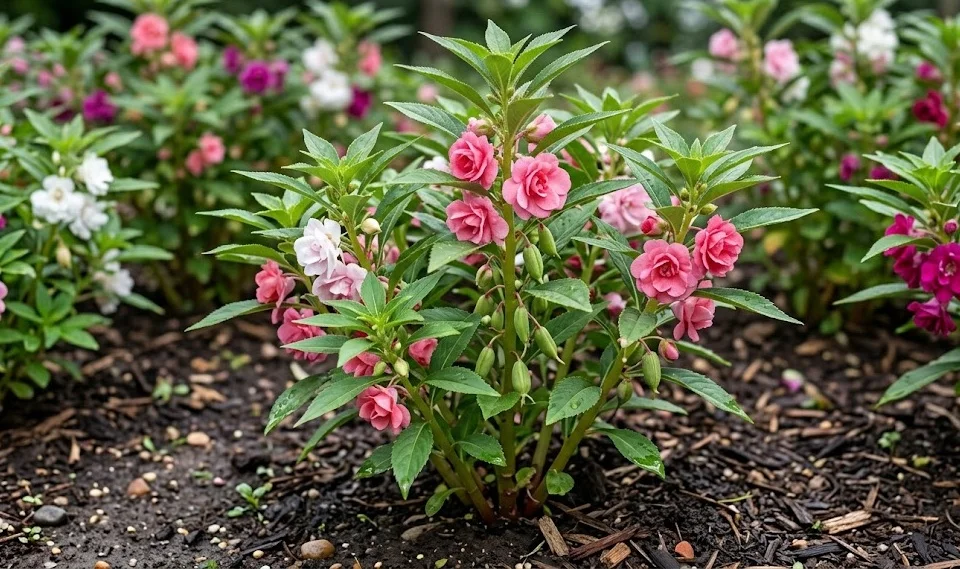

As the growing season draws to a close and the first frost approaches, many gardeners find themselves wanting to preserve the beauty of their favorite balsam plants. While typically grown as an annual in temperate climates, it is possible to keep these plants alive through the winter months with the right techniques. Overwintering allows you to save specific varieties that may be hard to find as seeds or simply to enjoy the cheerful foliage indoors while the garden outside is dormant. This process requires a shift in your care routine and a bit of preparation to ensure the plants transition smoothly from the garden to the home environment.
The timing of your overwintering efforts is crucial, as the garden balsam is extremely sensitive to cold temperatures and will not survive a hard freeze. You should plan to bring your plants indoors as soon as the nighttime temperatures begin to consistently drop below fifty degrees Fahrenheit. Monitoring the local weather forecast closely during the autumn months will help you stay ahead of any sudden cold snaps that could damage the sensitive tissues. It is always better to act a bit too early than to wait until it is too late and the plants have already been stressed by the chill.
Before moving any plant into your home, a thorough inspection for pests and diseases is absolutely mandatory to protect your other indoor plants. Insects like aphids, spider mites, and whiteflies can easily hitch a ride on the balsam and quickly infest your entire indoor garden. You should also check for any signs of fungal issues, such as mildew or mold, which could thrive in the still air of a heated home. Giving the plants a gentle wash with a mild soap solution or treating them with neem oil before they come inside is a wise precautionary measure.
Pruning the plants back significantly is a professional technique that helps them manage the transition to indoor life more effectively. Reducing the foliage mass by about one-third to one-half decreases the plant’s water and light requirements as it adjusts to its new environment. This also gives you the opportunity to remove any leggy or damaged stems, resulting in a more compact and attractive houseplant for the winter. Don’t be afraid to be a bit bold with your cuts, as the balsam is a resilient grower and will quickly produce new shoots once it settles in.
Creating the ideal indoor winter environment
The primary challenge of overwintering garden balsam indoors is providing enough light to keep the plant healthy and preventing it from becoming weak and spindly. A south-facing window that receives several hours of bright, indirect sunlight is often the best location for these sun-loving tropicals. If you do not have enough natural light, a simple grow light can be used to supplement the day length and maintain the plant’s vigor. Rotating the pot every week or so will ensure that all sides of the plant receive equal exposure and grow evenly.
More articles on this topic
Temperature management is another key factor in the success of your indoor overwintering project. While balsam enjoys warmth, it should be kept away from direct heat sources like radiators or heating vents, which can quickly dehydrate the leaves. A steady temperature between sixty and seventy-five degrees Fahrenheit is ideal for keeping the plant in a state of slow, healthy growth. Avoid placing the plants in drafty areas, such as near doors or poorly insulated windows, as sudden temperature fluctuations can cause significant stress.
The humidity levels inside a typical home during the winter are often much lower than what the balsam is accustomed to in the outdoor summer garden. This dry air can lead to leaf drop and encourage the presence of spider mites, which thrive in arid conditions. You can increase the local humidity by placing the pots on a tray filled with pebbles and water or by using a small room humidifier nearby. Misting the foliage occasionally with room-temperature water can also provide a temporary boost that the plants will find very beneficial.
Watering your overwintering balsam requires a different approach than what you used during the height of the summer. Because the plant is growing more slowly and is not exposed to the drying effects of the sun and wind, it will require significantly less water. You should allow the top inch of soil to dry out before watering again, being careful not to let the root ball become completely parched. Overwatering is the most common cause of failure for indoor plants during the winter, so always check the soil moisture before reaching for the watering can.
Transitioning back to the garden in the spring
When the days begin to lengthen and the risk of frost finally passes, you can begin the process of moving your balsam back into the outdoor garden. This transition should be handled with the same care as the initial move indoors to avoid shocking the plant’s system. Start by placing the plants in a shaded, protected spot for a few hours each day when the weather is mild. Gradually increase their time outside and their exposure to direct sunlight over a period of two weeks until they are fully acclimated.
More articles on this topic
Repotting your overwintered balsam into fresh soil is a good way to give it a boost of energy as it prepares for the new growing season. The soil in the winter pots may have become compacted or depleted of nutrients over the months spent indoors. Choosing a container that is one size larger will give the roots more room to expand and support the rapid growth that comes with the return of warm weather. Adding a small amount of slow-release fertilizer to the new potting mix will provide a steady supply of food for the first few weeks outdoors.
Once the plants are back in their permanent garden spots, you may notice a sudden burst of new growth as they respond to the natural sunlight and humidity. This is the perfect time to perform a light shaping of the plant to encourage a bushy and attractive habit for the summer. Removing any remaining winter-weary leaves or weak stems will help the plant focus its energy on producing new, vibrant foliage and flower buds. With a bit of luck and careful management, your overwintered balsam will soon be back to its full glory.
The success of your overwintering project provides a sense of continuity in your garden and allows you to preserve special plants from year to year. It is a rewarding experience that deepens your understanding of the plant’s life cycle and its environmental needs. Even if you only save a few plants, the lessons you learn will make you a more versatile and confident gardener in all aspects of your hobby. Carrying a piece of summer through the dark winter months is one of the true joys of being a dedicated plant lover.
Alternative methods for preserving your balsam
If you do not have the space to keep large plants indoors, taking stem cuttings in the late summer is a very effective alternative for overwintering. These small starts take up very little room on a windowsill and are often easier to keep healthy than a mature specimen. By the time spring arrives, your cuttings will have developed into sturdy young plants that are ready to be moved into the garden. This method also allows you to start the new season with multiple copies of your favorite balsam variety at no extra cost.
Another option for preserving the genetics of your balsam is to simply harvest the seeds at the end of the season and store them for the winter. This is the most traditional way to “overwinter” an annual plant and is highly reliable for the garden balsam. Store the dry seeds in a cool, dark place in a labeled envelope until you are ready to sow them again in the spring. This approach requires the least amount of space and effort while still ensuring that you can enjoy the same flowers year after year.
Some gardeners have success keeping balsam in a state of semi-dormancy in a cool, frost-free garage or basement. In this environment, the plant will stop growing almost entirely and will require very little light and almost no water for several months. While this is a more risky strategy, it can be a good option if you have many plants and not enough space in your living areas. If you try this, be sure to check on the plants periodically to ensure they have not dried out completely or been attacked by pests.
Ultimately, the best method for overwintering will depend on your personal preferences, the space you have available, and the climate in which you live. Each approach offers its own set of challenges and rewards, and many gardeners enjoy experimenting with different techniques over time. Regardless of which method you choose, the effort you put into preserving your plants is a testament to your passion for gardening and the natural world. Enjoy the process and the unique beauty that these classic garden favorites bring to your home and landscape.