
Winter can be a challenging time for many garden plants, even for those that are considered hardy and evergreen. The garden photinia is generally robust, but the combination of freezing temperatures, drying winds, and heavy snow can still take a toll on its foliage and structure. Preparing your shrubs for the cold months is an essential part of a professional garden maintenance routine that ensures they emerge in the spring ready for new growth. By taking a few proactive steps in the autumn, you can protect your investment and maintain the health and beauty of your landscape throughout the winter.
Cold hardiness and winter preparation
Understanding the specific hardiness zone of your region is the first step in determining how much protection your photinia might need. Most varieties are hardy down to temperatures that are typical for temperate climates, but extreme cold snaps can still cause damage to the leaves and tender stems. The goal of winter preparation is to help the plant gradually transition into dormancy and build up its own natural defenses. You should avoid any heavy pruning or high-nitrogen fertilization in the late summer, as this encourages soft new growth that is easily killed by the first frost.
Hydration is a critical factor in winter survival for all evergreens, as they continue to lose moisture through their leaves even when the air is cold. If the autumn has been particularly dry, you should provide several deep waterings before the ground freezes solid for the season. A well-hydrated plant is much more resilient to the drying effects of winter winds and is less likely to suffer from leaf burn. Think of this as filling up the plant’s internal reservoir so it can sustain itself through the months when the roots may not be able to draw water from frozen soil.
Checking the structural integrity of the shrub is also important before the first heavy snow or ice storm arrives. Look for any weak or crossing branches that might be prone to breaking under the weight of an accumulation of snow. You can gently thin out any overcrowded areas to allow the wind and snow to pass through the plant more easily rather than catching on a solid wall of foliage. This simple preventative pruning can save you from the heartbreak of seeing a large and beautiful shrub split open during a winter storm.
Finally, clear away any debris or thick weeds from around the base of the plant to improve air circulation and reduce the hiding spots for pests. Mice and other rodents sometimes use thick layers of leaves or tall grass as nesting sites during the winter, and they may gnaw on the bark of your shrubs if food becomes scarce. Keeping the area tidy not only looks better but also contributes to the overall hygiene and safety of your garden during the dormant months. A professional approach involves thinking about all the potential challenges the plant might face during the quiet season.
More articles on this topic
Protecting the root system from frost
The root system is the most vital part of the plant, and protecting it from extreme temperature fluctuations is a top priority during the winter. While the air temperature may drop rapidly, the soil acts as an insulator, but it still needs a little help from the gardener to stay stable. Applying a fresh layer of organic mulch in the late autumn is one of the most effective ways to protect the roots from the “freeze-thaw” cycle. This cycle can cause the soil to heave, which can damage delicate roots or even push young plants partially out of the ground.
A thick layer of bark chips, wood shavings, or well-rotted compost should be spread in a wide circle around the base of the plant, reaching out to the drip line. This mulch acts like a warm blanket, keeping the soil temperature more consistent and preventing deep frost penetration into the root zone. Be careful not to pile the mulch directly against the main trunk of the shrub, as this can trap moisture and cause the bark to rot. A small gap of an inch or two is sufficient to provide the benefits of mulching while keeping the trunk healthy and dry.
In very cold regions or for newly planted specimens, you might consider adding an even thicker layer of protective material for the worst of the winter. Pine needles or straw can be used as a temporary winter mulch that is easy to remove or spread out once the weather warms up in the spring. These loose materials provide excellent insulation while still allowing for good air exchange with the soil surface. This extra layer of protection can make the difference between a plant that struggles and one that thrives when the growing season returns.
If you have photinias growing in containers, they require even more attention because their roots are much more exposed to the cold than those in the ground. You can protect potted plants by wrapping the containers in bubble wrap, burlap, or specialized insulating jackets to keep the root balls from freezing solid. Grouping several pots together in a sheltered spot near a wall can also create a warmer microclimate that helps them survive the coldest nights. A professional gardener always considers the specific vulnerability of each plant based on its location and container size.
More articles on this topic
Managing windburn and winter desiccation
Windburn, also known as winter desiccation, is a common problem for evergreens where the cold winds pull moisture out of the leaves faster than the roots can replace it. This is especially problematic when the ground is frozen, as the plant is physically unable to take up any water at all. The symptoms of windburn are brown, dry patches on the leaves, usually starting at the edges or on the side of the plant most exposed to the prevailing winds. If left unprotected, a beautiful hedge can look scorched and sickly by the time spring arrives.
Providing a physical barrier to the wind is the best way to prevent desiccation damage in exposed garden locations. You can create a temporary windbreak using burlap screens attached to wooden stakes positioned on the windward side of your shrubs. This allows the wind to be diverted around the plants without completely blocking out the light or restricting all air movement. This method is particularly useful for young hedges that are still establishing their root systems and are more vulnerable to drying out.
Anti-desiccant sprays are another tool that professional gardeners sometimes use to protect evergreen foliage during the winter months. These sprays leave a thin, waxy coating on the leaves that reduces the rate of transpiration without interfering with the plant’s natural processes. They are typically applied in the late autumn and may need a second application during a mid-winter thaw for the best results. While not always necessary in milder climates, they can provide an extra layer of security in very windy or cold areas.
If you do notice signs of winter damage, avoid the urge to prune it away immediately during the colder months. The damaged leaves and stems can actually provide a small amount of protection for the healthy tissue further inside the plant. Wait until the spring when the danger of frost has passed and you can see exactly where the new growth is emerging before you start cleaning up any winter-damaged areas. Patience is a virtue in the winter garden, and rushing to fix things can sometimes lead to more harm than good.
Spring transition and recovery
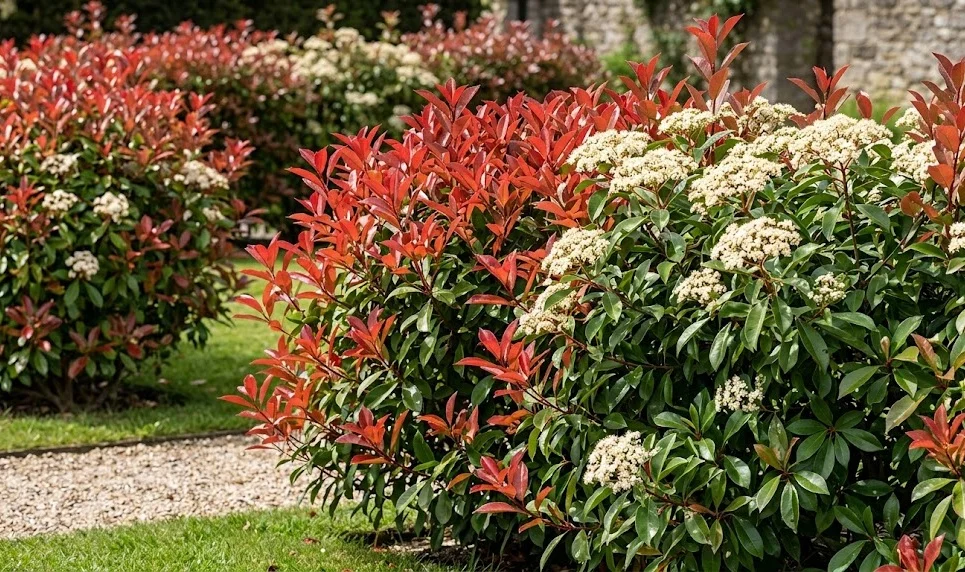
As the days begin to lengthen and the temperatures start to rise, your focus shifts from protecting the plant to helping it transition into active growth. One of the first tasks of the spring is to check the soil moisture and provide a good watering if the winter was dry and the ground has thawed. This helps wake up the roots and ensures the plant has the hydration it needs to start producing those iconic red spring leaves. You should also remove any temporary winter protection, such as burlap screens or extra mulch, to allow the soil to warm up.
Take a close look at the foliage and stems to assess any damage that may have occurred during the winter months. Prune away any dead, broken, or severely browned branches to tidy up the appearance of the plant and encourage new growth to fill in the gaps. This light spring cleanup is also a good time to check for any signs of pests that might have overwintered in the bark or nearby debris. Starting the season with a clean and well-pruned plant sets the stage for a spectacular display of color in the coming weeks.
A balanced fertilization in the early spring is the final step in the winter recovery process, providing the nutrients needed for the upcoming growth spurt. Use a slow-release formula that will provide a steady supply of energy as the plant puts out its new flush of red leaves. If the plant suffered from significant winter burn, you may want to use a fertilizer with a slightly higher nitrogen content to encourage faster foliar recovery. However, be careful not to overdo it, as you want the new growth to be strong and healthy rather than weak and leggy.
Reflecting on how your plants handled the winter can provide valuable insights for your garden planning in the future. If certain areas of your hedge suffered more than others, you might consider permanent windbreaks or different mulching strategies for the following year. Gardening is a continuous process of learning and adapting to the unique challenges of your specific site and climate. With a professional approach to winter care, your garden photinia will continue to be a resilient and stunning feature of your landscape year after year.