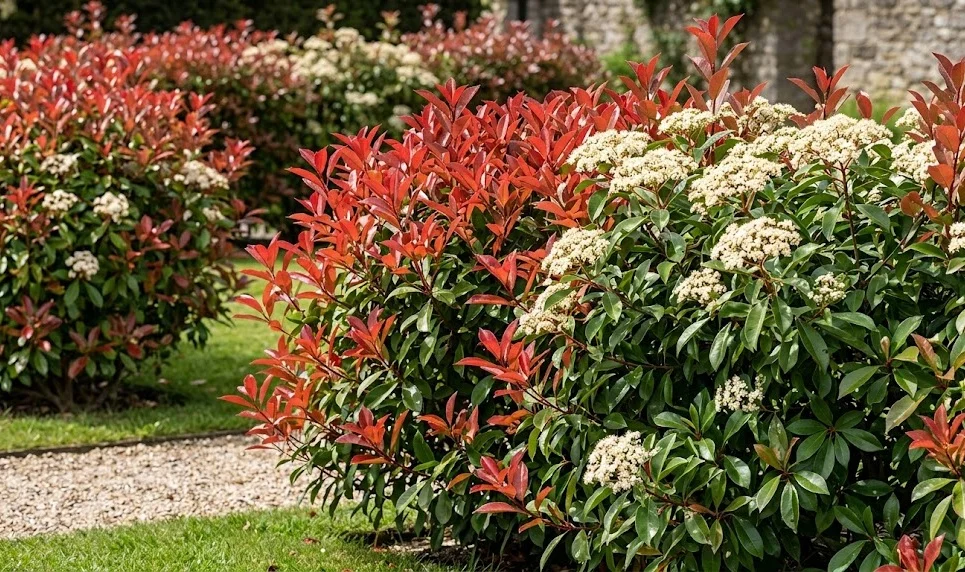

The garden photinia is a remarkably versatile and vibrant evergreen shrub that has become a staple in modern landscape design across many temperate regions. This plant is most famous for its stunning bright red new growth which eventually matures into a deep and glossy green foliage. Maintaining this plant requires a balanced approach that considers its unique growth patterns and its response to environmental stressors throughout the calendar year. By understanding the fundamental needs of this species, any gardener can ensure that their hedge or specimen plant remains healthy and visually striking for decades to come.
Understanding the growth habits of the plant
The natural growth rate of this shrub is relatively fast, which makes it an excellent choice for creating privacy screens or ornamental boundaries in a short amount of time. You will notice that the most vigorous growth occurs during the spring months when the temperatures begin to rise and the days become longer. During this period, the plant puts most of its energy into producing those iconic crimson leaves that gardeners find so desirable. Regular observation is necessary to ensure that the rapid growth does not lead to a spindly or unmanageable structure over time.
To maintain a dense and bushy appearance, it is essential to monitor how the plant fills out its internal framework. If the plant grows too quickly without enough light or air circulation, the inner branches may begin to lose their leaves and become woody. This can lead to a hollow appearance that detracts from the overall beauty of the landscape feature you are trying to cultivate. You should aim for a balance between allowing the plant to reach its full height and maintaining a thick canopy of healthy foliage.
Seasonal transitions also play a massive role in how the plant behaves and how much care it requires from the gardener. In the height of summer, the growth may slow down slightly as the plant focuses on moisture retention and surviving the heat. As autumn approaches, you might see a secondary flush of new red leaves, though this is usually less intense than the spring display. Understanding these cycles allows you to time your maintenance tasks, such as pruning or feeding, to align with the plant’s natural biological rhythm.
Gardeners should also pay close attention to the overall vigor of the shrub, as this is the best indicator of its general health. A healthy specimen will have vibrant, shiny leaves and strong stems that do not droop excessively under their own weight. If the leaves appear dull or the new growth is pale instead of bright red, it may be a sign that the plant is lacking essential nutrients or is under environmental stress. Keeping a close eye on these physical cues will help you intervene early and prevent more serious problems from developing later on.
More articles on this topic
Soil quality and preparation for long term health
The foundation of any successful garden project begins with the soil, and this particular shrub is no exception to that rule. It thrives best in soil that is rich in organic matter and has a slightly acidic to neutral pH level for optimal nutrient uptake. You should avoid planting it in extremely alkaline soils, as this can lead to chlorosis, where the leaves turn yellow due to a lack of iron. Before planting, it is highly recommended to test your soil to understand its composition and make any necessary amendments to improve its quality.
Drainage is perhaps the most critical factor when it comes to the soil environment for this evergreen species. While it enjoys consistent moisture, it cannot tolerate “wet feet” or standing water around its root system for extended periods. Soil that is too heavy or contains high levels of clay should be improved with compost or grit to ensure that excess water can move away freely. If the roots are forced to sit in waterlogged soil, they will quickly succumb to rot, which is often fatal for the plant.
Adding organic mulch around the base of the plant is a fantastic way to improve the soil structure over time while also protecting the roots. A thick layer of bark chips or well-rotted garden compost helps to retain moisture during the dry summer months and suppresses competing weeds. As the mulch breaks down, it slowly releases nutrients back into the earth, creating a self-sustaining cycle of fertility. Be sure to keep the mulch a few inches away from the main trunk to prevent any moisture-related bark issues.
Regularly checking the soil condition throughout the year will help you understand when it needs more attention or supplemental feeding. In very sandy soils, nutrients tend to wash away quickly, meaning you may need to apply organic matter more frequently than in loamy soils. Conversely, if your soil is naturally very rich, you might find that the plant requires very little extra help to maintain its vigorous growth. Adjusting your care routine based on the specific characteristics of your garden’s earth is a hallmark of a professional gardening approach.
More articles on this topic
Environmental positioning and air circulation
The location where you decide to place your shrub will dictate much of its future success and the amount of maintenance it requires. This plant prefers a sunny or partially shaded spot where it can receive enough light to fuel its vibrant red leaf production. In deep shade, the red colors will be much less intense, and the plant may become leggy as it stretches toward any available light source. Finding a spot with the right balance of light and protection is key to achieving the best visual results.
Air circulation is often overlooked by novice gardeners, but it is vital for preventing common fungal diseases that can plague this species. When plants are crowded too closely together or placed against a solid wall without a gap, the air becomes stagnant and humid. This creates the perfect environment for spores to settle on the leaves and cause unsightly spots or mildew. Providing enough space between plants allows the wind to move through the foliage and dry the leaves quickly after rain or dew.
Wind protection is another factor to consider, especially in regions that experience harsh winter gusts or very cold drafts. While the plant is generally hardy, strong freezing winds can cause desiccation, where the leaves lose moisture faster than the roots can replace it. Planting near a fence or using other hardy shrubs as a windbreak can provide a microclimate that helps the photinia thrive even in less than ideal conditions. However, ensure that the windbreak does not completely block out the sun or prevent that essential air movement.
The surrounding hardscape, such as paths or driveways, can also affect the microclimate around your garden plants. Concrete and stone can radiate heat during the summer, which might dry out the soil faster than you expect in those specific areas. You should take these factors into account when planning your garden layout and deciding on an irrigation strategy for the season. A professional gardener always looks at the bigger picture to understand how every element of the landscape interacts with the living plants.
Monitoring seasonal vitality and changes
Every season brings a new set of challenges and opportunities for the growth and development of your garden shrubs. Spring is the most active time, and you should be prepared to support the plant as it pushes out its new growth. This is the time when the plant is most demanding in terms of energy, so ensuring it has adequate water and nutrients is paramount. You will be rewarded with a spectacular display of fire-red foliage that can transform the look of your entire garden.
As the summer heat intensifies, the primary goal shifts from encouraging growth to maintaining hydration and protecting the plant from heat stress. You may notice that the bright red leaves begin to transition into their mature green state during this time. This is a natural process and indicates that the foliage is becoming tougher and more resistant to the elements. Providing deep watering during prolonged dry spells will help the plant stay cool and maintain its glossy sheen through the hottest months.
In the autumn, the plant begins to slow down its metabolic processes in preparation for the upcoming winter dormancy. This is a good time to clear away any fallen leaves or debris from around the base of the plant to maintain hygiene. By keeping the area clean, you reduce the chances of pests or diseases overwintering in the soil and attacking the plant in the spring. You might also notice a slight hardening of the stems, which is the plant’s way of strengthening itself against the cold.
Winter is a period of rest, but the evergreen nature of the plant means it still provides structure and color to the garden when everything else is bare. While you won’t see much active growth, the plant is still alive and requires occasional checks, especially during dry winters. Frozen ground can prevent the roots from taking up water, so if there is a thaw, a light watering might be beneficial. Observing the plant through the quiet months ensures you are ready to hit the ground running when the first signs of spring appear.
The importance of health assessments
Conducting regular health assessments is a proactive way to manage your garden and catch any potential issues before they become disasters. You should make it a habit to walk through your garden and look closely at the leaves, stems, and overall shape of each plant. Look for any signs of discoloration, unusual spots, or wilted branches that don’t seem to belong. These early warning signs are the plant’s way of telling you that something in its environment or care routine needs to be adjusted.
The underside of the leaves is a common hiding spot for many pests that can drain the energy of your shrub. You should gently turn over a few leaves on different parts of the plant to check for insects or their eggs. Many common problems, such as aphids or scale, can be managed easily if caught in the early stages of infestation. If you wait until the damage is visible from a distance, the intervention required will be much more significant and potentially more damaging.
Checking the structural integrity of the branches is also important, especially for larger specimens or hedges. Look for any dead or crossing branches that might be rubbing against each other and creating wounds in the bark. These open areas are entry points for bacteria and fungi, so they should be pruned away cleanly with sharp tools. Maintaining a strong and open framework allows the plant to support its weight and withstand heavy rain or wind.
Finally, evaluate the overall aesthetic of the plant in relation to your original garden design goals. Is the hedge as dense as you want it to be, or are there gaps that need to be filled in with more careful pruning? Is the color as vibrant as it should be, or does the plant look a bit tired and in need of a nutrient boost? Taking the time to reflect on these questions allows you to refine your gardening techniques and achieve the professional results you desire.
Essential pruning for aesthetic and health
Pruning is not just about keeping the plant at a certain size; it is a vital practice for encouraging health and longevity. For this specific shrub, pruning is the secret to maximizing the production of those famous red leaves. Since the red color only appears on new growth, cutting back the stems encourages the plant to branch out and produce fresh foliage. Without regular pruning, the plant can become legy and lose the very feature that makes it so popular in the first place.
The timing of your pruning sessions will greatly impact how the plant responds and how much red color you see throughout the year. Most gardeners prefer to prune in the late spring or early summer after the first flush of red leaves has started to turn green. This encourages a second flush of red growth to appear later in the season, extending the visual interest of the plant. Avoid pruning too late in the autumn, as the new growth needs time to harden off before the first frosts arrive.
When pruning, always use sharp and clean tools to ensure that you are making clean cuts that heal quickly. Ragged edges or crushed stems are much more likely to become infected and can lead to dieback in the branches. It is also good practice to disinfect your shears between different plants to prevent the spread of any hidden diseases. A professional approach to tool maintenance is just as important as the technique you use on the plants themselves.
Removing the “three Ds”—dead, damaged, and diseased wood—should always be your first priority when you start pruning. Once the health of the plant is secured, you can focus on the shaping and aesthetic thinning of the canopy. Thinning out some of the older wood from the center of the shrub will improve light penetration and air flow, which benefits the entire plant. This holistic approach to pruning ensures that your photinia remains both beautiful and robust for many years.
Longevity and sustainable garden practices
Thinking about the long-term future of your garden means adopting practices that support the health of the entire ecosystem. This shrub can live for many decades if it is cared for with a sustainable mindset and a focus on soil health. Instead of relying solely on chemical inputs, try to build up the natural fertility of your soil with compost and organic mulches. This creates a more resilient plant that is better able to withstand environmental stresses without constant intervention.
Diversity in your planting schemes is another way to ensure the long-term success of your garden landscape. While a photinia hedge is beautiful, interspersing it with other species can provide a buffer against pests and diseases that might target a single type of plant. It also provides a more varied habitat for beneficial insects and birds, which can help keep pest populations in check naturally. A healthy, balanced garden is much easier to manage than one that relies on artificial controls to stay upright.
Water conservation is becoming increasingly important in modern gardening, and this plant can be quite drought-tolerant once established. By using techniques like deep watering and mulching, you can reduce the amount of supplemental water the plant needs during the summer. This not only saves resources but also encourages the plant to grow a deeper and more robust root system. Strong roots are the best defense against extreme weather events and ensure the plant’s stability as it grows larger.
As a gardener, your role is to be a steward of the land and a partner to the plants under your care. By observing, learning, and responding to the needs of your photinia, you develop a deeper connection to the natural world. Gardening is a continuous process of discovery, and even an established shrub can teach you something new every season. Embrace the challenges and enjoy the spectacular rewards that come with mastering the care of this exceptional garden plant.