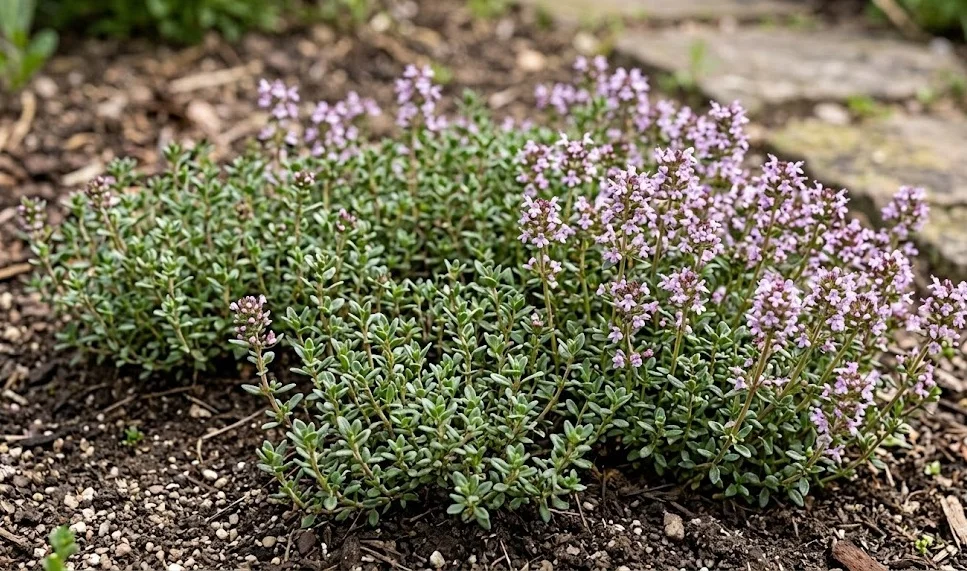

Caring for garden thyme requires a deep understanding of its Mediterranean origins to ensure the plant thrives in a domestic setting. You should focus on replicating the dry and rocky environments where this hardy herb naturally evolves over time. Maintaining a balance between neglect and attentive care is the secret to producing aromatic foliage year after year. Providing the right foundation will allow the plant to establish a robust root system that survives various weather shifts.
Establishing a routine for your herb garden involves observing the subtle changes in the leaves and stems throughout the growing season. You must pay attention to the woody nature of the plant as it matures to prevent it from becoming overly sparse. Regular interaction with your herbs helps you identify potential issues before they escalate into significant health problems. A consistent approach to maintenance ensures that the essential oils within the leaves remain potent and fragrant for culinary use.
Environmental stability is a cornerstone of successful herb cultivation, especially when dealing with varieties that prefer lean conditions. You should monitor the local microclimate of your garden to adjust your care routine based on temperature fluctuations and humidity levels. Thyme is particularly sensitive to excessive moisture in the air, which can lead to fungal issues if not managed properly. Creating a space with excellent air circulation is one of the most effective ways to support long-term health.
The overall vitality of the herb is often a reflection of the gardener’s ability to resist the urge to over-care for the plant. You will find that this species performs best when left to experience natural cycles without constant human interference or heavy chemical supplementation. Focus on creating a sustainable ecosystem where the soil biology supports the plant’s natural defense mechanisms. By following these professional guidelines, you can enjoy a productive and beautiful herb patch for many seasons to come.
Ideal growing conditions
Creating the perfect environment starts with understanding that this herb is a sun-loving species that demands warmth and light. You should select a spot in your garden that receives unobstructed sunlight for the majority of the day to promote vigorous growth. The intensity of the light directly influences the concentration of thymol, the primary aromatic compound found in the leaves. Without sufficient solar energy, the plant will become leggy and lose its characteristic compact shape and intense flavor profile.
More articles on this topic
Temperature management is another critical factor that you must consider when planning your outdoor herb bed or container garden. While adult plants are remarkably resilient, they perform best when the soil remains warm and the ambient temperature stays consistent. Sudden cold snaps in late spring can damage new growth, so it is wise to provide temporary protection if a frost is predicted. Ensuring that the site is protected from harsh, drying winds will also help maintain the structural integrity of the delicate branches.
Air quality and circulation are often overlooked but are essential for preventing the buildup of stagnant moisture around the dense foliage. You should space your plants adequately to allow the wind to move freely between the stems and dry out the soil surface. High humidity can be a major challenge in some regions, making it necessary to use gravel mulches to reflect heat and improve evaporation. Good airflow not only keeps the plant dry but also discourages the presence of pests that thrive in damp, enclosed spaces.
The geographical orientation of your planting site can make a significant difference in the success of your gardening efforts. South-facing slopes or beds near stone walls are ideal because they absorb and radiate heat back to the plants during the night. You should avoid low-lying areas of the garden where cold air tends to settle and frost persists longer in the mornings. By prioritizing these environmental factors, you provide the necessary framework for a healthy and aromatic herb harvest.
Soil and substrate requirements
The foundation of any successful thyme garden lies in the physical and chemical composition of the soil you choose to use. You must ensure that the substrate is exceptionally well-draining, as the roots are highly susceptible to rot in waterlogged conditions. A sandy or loamy soil with a significant portion of inorganic matter like grit or perlite is usually the best choice for these plants. If your garden has heavy clay soil, you should consider building raised beds or incorporating large amounts of organic compost and sand.
More articles on this topic
Nutrient levels in the soil should be kept relatively low to mimic the poor, rocky soils of the Mediterranean coastline. You will notice that thyme grown in overly fertile soil often loses its intense aroma and produces soft, weak growth that is prone to disease. A neutral to slightly alkaline pH level is preferred, so you might need to add a bit of lime if your soil is naturally acidic. Testing your soil before planting is a professional step that helps you make the necessary amendments for optimal growth.
Soil structure is just as important as the nutrient content because it dictates how much oxygen reaches the root zone. You should aim for a friable texture that does not compact easily under the weight of foot traffic or heavy rainfall. Incorporating small stones or volcanic rock can help maintain these air pockets while also providing a stable anchor for the roots. This structural integrity allows the plant to expand its root network deep into the ground to find moisture during dry spells.
Mulching strategies should focus on inorganic materials rather than wood chips or bark which can hold too much moisture against the stem. You should use pea gravel, crushed stone, or coarse sand to cover the soil surface around the base of your plants. This type of mulch helps suppress weeds while also reflecting sunlight up into the lower branches of the herb. Additionally, inorganic mulch keeps the lower leaves clean and away from soil-borne pathogens that might splash up during rain.
Daily and weekly maintenance
Consistent monitoring of your herb garden allows you to stay ahead of any environmental stressors that might affect plant health. You should make a habit of checking the soil moisture levels by feeling the top few inches of the earth near the roots. If the soil feels dry to the touch, it might be time for a light watering, but always err on the side of caution. Weekly inspections should also include looking for any signs of yellowing leaves or unusual spots that could indicate a problem.
Weed control is a vital part of your weekly routine to ensure that your thyme doesn’t have to compete for valuable nutrients. You should remove any competing vegetation by hand to avoid damaging the shallow root system of your herbs with heavy tools. Keeping the area clean and free of debris prevents pests from finding hiding spots near your valuable plants. A well-maintained garden bed looks professional and provides the best possible conditions for the herbs to spread and fill the space.
Deadheading or light trimming during the growing season helps the plant maintain its shape and encourages the production of new stems. You should pinch off the tips of the branches regularly if you are using the herb for cooking throughout the summer months. This practice prevents the plant from flowering too early, which can sometimes lead to a decline in leaf quality and flavor. If flowers do appear, you can leave some for the bees, but removing most of them will keep the plant’s energy focused on foliage.
Observing the interaction between your plants and the local insect population can give you clues about the health of your garden. You will likely see many beneficial pollinators visiting the tiny flowers, which is a sign of a healthy and diverse ecosystem. If you notice a decline in plant vigor, check the stems for any signs of physical damage or unwanted guests like aphids. Maintaining a clean and organized garden space makes these weekly observations much more effective and enjoyable for any serious gardener.
Seasonal care strategies
As the seasons transition from spring to summer, your care routine must adapt to the increasing heat and light intensity. You should increase the frequency of your observations during heatwaves to ensure the plants are not suffering from extreme desiccation. Providing a bit of extra water in the early morning can help the herbs withstand the midday sun without wilting. However, you must still be careful not to create standing water, which can be even more damaging during high temperatures.
Autumn brings a shift in focus as you prepare the plants for the upcoming dormant period in the colder months. You should reduce any fertilization and avoid heavy pruning late in the season to allow the wood to harden off before the frost. Clearing away fallen leaves from other trees is important because they can trap moisture and cause rot on the thyme’s low-growing branches. This transition period is also an excellent time to evaluate the success of the year and plan any changes for the next spring.
Spring is the time for renewal and involves cleaning up any winter damage to make way for fresh, green growth. You should wait until the danger of hard frost has passed before you start removing dead wood or shaping the plants. Applying a light layer of fresh compost or a balanced organic fertilizer can provide the necessary boost for the new growing season. Watching the first buds break is one of the most rewarding aspects of gardening and signals the start of another productive cycle.
Winter care focuses primarily on protection and ensuring the roots do not sit in cold, wet soil for extended periods. You should ensure that your drainage systems are working effectively to move snowmelt away from the herb beds as quickly as possible. In regions with very harsh winters, providing a light cover of evergreen boughs can protect the foliage from drying winds. By respecting the natural dormancy of the plant, you ensure it has the energy needed to bounce back vigorously once the soil warms up.
Maximizing essential oil production
The true value of thyme lies in its aromatic essential oils, and your care routine can significantly influence their potency. You should avoid over-watering, as a slight amount of water stress can actually trigger the plant to produce more oils as a defense mechanism. Harvesting in the morning after the dew has dried but before the sun is at its peak ensures you catch the oils at their maximum concentration. This professional timing is crucial for anyone looking to use the herb for high-quality culinary or medicinal purposes.
Soil chemistry plays a subtle but important role in how the plant synthesizes the complex compounds within its leaves. You should ensure there is adequate sulfur and micronutrients in the soil to support the metabolic pathways that create thymol. Avoid using high-nitrogen fertilizers which promote rapid, watery growth that dilutes the flavor and aroma of the herb. A slower, more natural growth rate results in much more concentrated and valuable foliage for your various projects.
Pruning at the right intervals can also stimulate the plant to produce a higher volume of young, oil-rich leaves throughout the year. You should focus your harvests on the top third of the stems where the newest and most aromatic growth is located. Older, woodier parts of the plant contain significantly less oil and can have a more bitter or dusty flavor profile. By keeping the plant in a state of constant, controlled regrowth, you maximize the utility of every square inch of your garden.
Drying and storage techniques are the final steps in preserving the hard work you have put into your garden. You should dry the harvested stems in a cool, dark place with plenty of airflow to prevent the oils from oxidizing or evaporating too quickly. Once completely dry, store the leaves in airtight containers away from direct sunlight to maintain their potency for several months. Professional gardeners know that the way you handle the herb after harvest is just as important as how you grow it.
Companion planting benefits
Thyme is an excellent neighbor in the garden and can provide numerous benefits to the plants growing around it. You should consider planting it near cabbage, broccoli, and other brassicas to help deter common pests like the cabbage looper. The strong scent of the herb can mask the smell of the host plants, making it harder for insects to find them. This natural form of pest management reduces the need for chemical interventions and creates a more balanced garden environment.
Strawberries also benefit greatly from being planted in close proximity to this aromatic Mediterranean herb. You will find that thyme acts as a living mulch that keeps the soil cool and suppresses weeds around the berry plants. Some gardeners believe that the presence of the herb can even enhance the flavor of the fruit by improving the overall health of the soil. Integrating these plants into a polyculture system is a professional approach that mimics the complexity of natural ecosystems.
Roses and other flowering shrubs can also be paired with thyme to create a beautiful and functional garden border. You should use the low-growing varieties of thyme to fill the gaps between larger plants and prevent soil erosion. The flowers of the herb will attract beneficial insects that prey on aphids and other pests that typically plague rose bushes. This symbiotic relationship creates a self-regulating system where the plants help protect and support each other through the seasons.
When choosing companions, you must ensure that all the plants in the group share similar needs for light and drainage. You should avoid planting thyme near heavy feeders or moisture-loving plants like mint or large leafy vegetables. If the surrounding plants are too tall, they might shade out the thyme and cause it to thin out or die back. Careful planning of your garden layout ensures that every species has the space and resources it needs to contribute to the overall success.
Revitalizing older plants
As thyme plants age, they naturally become more woody at the center and may start to lose their productive vigor. You should monitor your plants for signs of “splitting” where the middle of the clump becomes bare and the stems fall outward. This is a clear indication that the plant needs some intervention to restore its shape and encourage new growth. Professional rejuvenation techniques can extend the life of your herb garden by several years if applied correctly and at the right time.
One effective method for revitalization involves mounding fresh, sandy soil into the center of the woody clump in early spring. You should gently work the soil between the stems to encourage them to grow new roots where they touch the earth. Over the course of a season, these stems will become independent plants that you can eventually separate and move to new locations. This process, known as layering, is a gentle way to refresh an old plant without the shock of a hard prune.
If a plant has become excessively woody and unproductive, you might need to consider a more aggressive approach to pruning. You should cut back about a third of the oldest branches right down to the base to make room for fresh shoots to emerge. It is important to leave enough green foliage on the remaining branches so the plant can still photosynthesize and recover from the stress. Performing this task over two or three years allows the plant to gradually rebuild its structure without risking total failure.
Sometimes, the best course of action for a very old and tired plant is to replace it with a fresh cutting or a new seedling. You should not feel like a failure if a plant eventually reaches the end of its natural lifespan after five or six productive years. Taking cuttings from your favorite plants ensures that you can continue the same genetic line in your garden for decades to come. Professional gardeners always have a plan for succession to ensure there is never a gap in their herb production.