
Preparing your perennials for the cold dormant season is a vital step in ensuring their survival and success the following year. You should view winter care as a process of protection and preservation that begins well before the first frost arrives. While these plants are generally cold-hardy, extreme winter conditions and fluctuating temperatures can still cause significant damage if they are not managed. This professional guide details the necessary actions to safeguard your collection during the winter months.
Late autumn preparation
The process of preparing for winter begins in the late summer when you should stop applying nitrogen-rich fertilizers to your plants. You want to discourage the production of new, soft foliage that will be easily damaged by the cold and could invite disease. Instead, allow the plant to focus on strengthening its rhizomes and storing energy for the upcoming period of dormancy. This natural slowing down of growth is an essential part of the plant’s yearly biological cycle.
Once the first hard frost has occurred, the foliage will naturally begin to die back and turn brown or yellow. You should use this as a signal to perform a final thorough cleaning of the garden beds and the plants themselves. Cutting the leaves back to about six inches in height helps reduce the surface area where pests can overwinter and improves airflow. This simple task makes the garden look much neater and reduces the risk of fungal issues in the spring.
Removing all fallen leaves, dead stalks, and other organic debris from the base of the plants is a critical hygiene step. You should be particularly diligent about removing anything that looks diseased, as spores can survive the winter on old plant material. Disposing of this waste away from the garden prevents it from becoming a source of reinfection when the weather warms up. A clean garden bed is much less likely to harbor the pests and pathogens that can ruin a spring display.
Inspecting the rhizomes one last time before the ground freezes allows you to make any necessary final adjustments to their depth. You should ensure that they are still firmly anchored in the soil and have not been pushed up by animal activity or erosion. If you find any that are overly exposed, you can add a light dusting of soil around the edges for a bit of extra protection. Taking these steps in the autumn sets the stage for a stress-free winter for both you and your plants.
More articles on this topic
Mulching and insulation
In climates where the winter temperatures fluctuate wildly, providing a layer of protective mulch can be very beneficial for your perennials. You should understand that the primary purpose of winter mulch is to keep the ground at a consistent temperature rather than keeping it warm. This prevents the “freeze-thaw” cycle that can push shallow rhizomes right out of the soil, a process known as frost heaving. Keeping the soil temperature stable protects the delicate roots from mechanical damage caused by the shifting earth.
The choice of mulching material is important, as you want something that provides insulation without trapping too much moisture against the rhizomes. Evergreen boughs, clean straw, or pine needles are excellent choices because they allow for plenty of air circulation while still providing cover. You should avoid heavy, wet materials like dense wood chips or thick layers of matted leaves, which can encourage rot. The goal is to provide a light, airy blanket that protects without suffocating the dormant plants.
Timing the application of your mulch is a professional detail that can make a big difference in its effectiveness. You should wait until the ground has actually frozen before applying the protective layer over your garden beds. If you mulch too early, you may inadvertently provide a warm, cozy winter home for voles and other rodents that feed on rhizomes. By waiting for the first deep freeze, you ensure the soil stays cold and the pests have moved elsewhere for the season.
In the spring, you must be equally diligent about removing the mulch as soon as the threat of extreme cold has passed. You should watch for the first signs of new green growth and gradually clear the area to allow the sun to warm the soil directly. Leaving mulch on too long can trap excess moisture and lead to premature rot just as the plant is trying to wake up. A well-timed application and removal of winter protection is a hallmark of an expert gardener.
More articles on this topic
Managing winter moisture levels
While the plants are dormant, they require very little moisture, and excess water can be their greatest enemy during the winter. You should ensure that the drainage in your garden beds is functioning perfectly before the ground freezes for the season. Standing water that turns to ice can crush the rhizomes or lead to an anaerobic environment that triggers rapid decay. If you have areas that consistently collect water, you may need to take steps to divert it away from your plants.
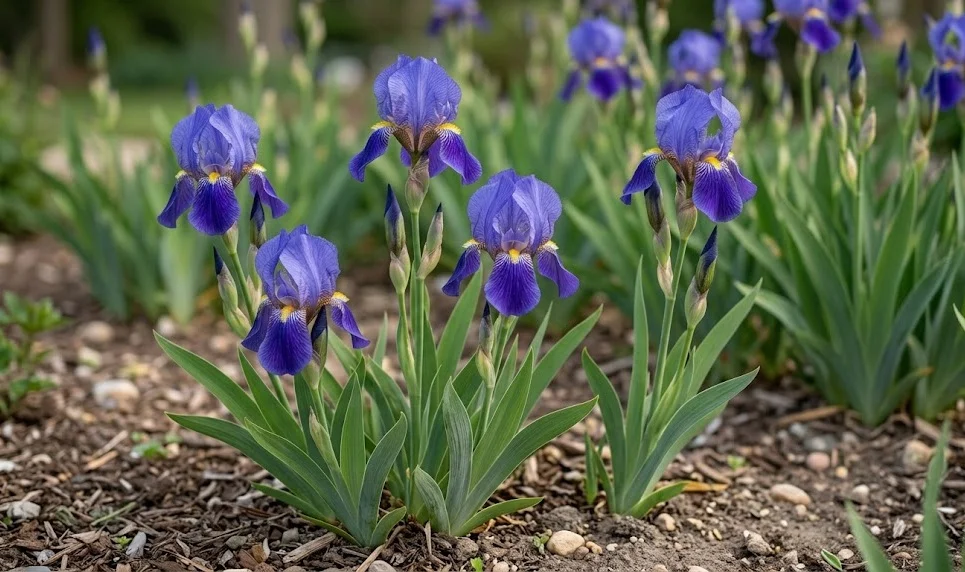
Snow is actually an excellent natural insulator for your garden, providing a stable temperature and a slow release of moisture. You should not worry if your irises are buried under a thick layer of snow for most of the winter months. However, you should be careful about piling heavy, compacted snow from driveways or sidewalks on top of your planting beds. The weight and salt content of this managed snow can be damaging to the dormant plants and the soil structure.
In areas that experience very dry winters without much snow, the soil can become desiccated, which may stress the root systems of your perennials. You should only consider a light watering if the ground is not frozen and there has been no precipitation for an extended period. This is rarely necessary for established plants but can be a lifesaver for those that were only recently transplanted in the autumn. Most of the time, the natural moisture in the soil is more than enough to sustain a dormant iris.
Spring thaws can often result in a sudden influx of water that the frozen ground below cannot yet absorb. You should monitor your garden during these periods to ensure your plants are not sitting in “ponds” of cold meltwater. Clearing small channels to allow the water to drain away can prevent many issues before they have a chance to start. Managing moisture levels is a continuous task that requires attention even during the quietest months of the year.
Early spring awakening steps
The transition from winter dormancy to spring growth is one of the most exciting times in the horticultural calendar. You should begin by carefully clearing away any remaining winter debris and mulch as the days start to lengthen and warm. This allows the sun’s rays to hit the rhizomes directly, providing the thermal energy they need to break dormancy. Seeing the first vibrant green tips emerging from the soil is the final proof that your wintering strategy was successful.
Once the new growth is visible, you can perform a final tidy-up of the old foliage that was left for winter protection. You should use sharp, clean shears to remove any brown or damaged parts, leaving the fresh new leaves to grow unimpeded. This is also an excellent time to inspect the rhizomes for any signs of winter damage or rot that may have occurred. Addressing small issues now is much easier than trying to fix them once the plant is in full growth.
As the soil warms up and becomes workable, you can consider applying a light, balanced fertilizer to support the coming season’s growth. You should avoid heavy applications of nitrogen, as the plant needs to build strong structural tissues rather than just lush leaves. Watering should also be increased gradually as the plant’s demand for moisture rises along with the temperature. This careful, measured approach ensures a smooth transition from the rest of winter to the activity of spring.
Finally, you should take a moment to reflect on the success of your wintering practices and note any areas for improvement. Every winter is different, and being able to adapt your techniques to changing conditions is a key skill of a professional. By following these expert guidelines, you ensure that your garden remains a source of beauty and pride year after year. Your dedication to proper seasonal care will be rewarded with spectacular blooms and healthy, thriving plants.