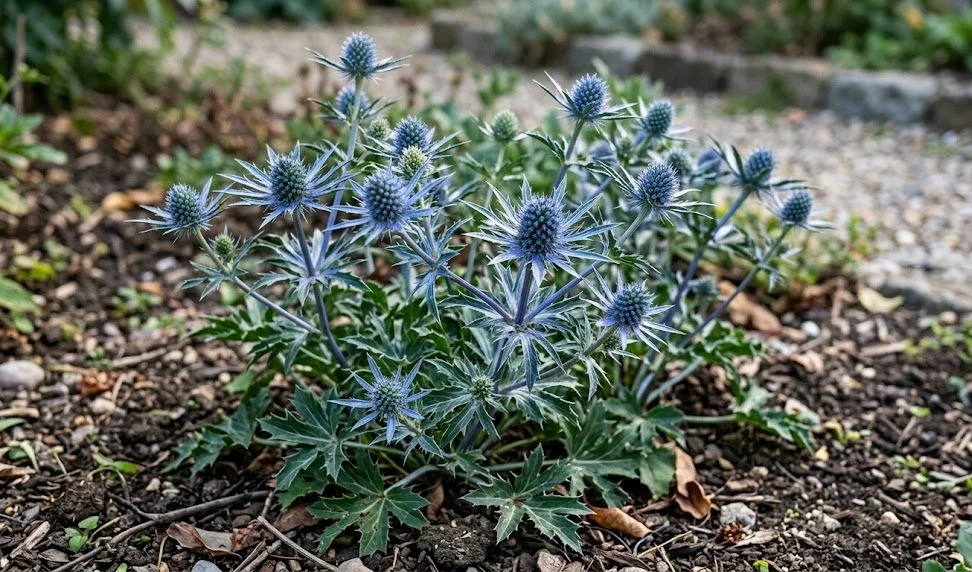

The blue eryngo is a heliophilic species, meaning it has an absolute requirement for high light intensity to reach its full potential. In the world of professional horticulture, understanding the nuances of light exposure is the difference between a lackluster plant and a stunning garden centerpiece. This perennial uses sunlight not only for energy through photosynthesis but also as a trigger for the development of its signature metallic pigments. Providing the correct light environment is the most important factor in achieving the structural and color goals for this plant.
Full sun is generally defined as receiving at least six to eight hours of direct, unfiltered sunlight every day. For the blue eryngo, more is always better, and it will thrive in the hottest, brightest spots of the garden where other plants might struggle. Without enough light, the plant’s stems will become weak and “leggy” as they stretch toward the nearest light source. This lack of structural integrity often results in the plant flopping over once the heavy flower heads begin to develop.
The intensity of the blue color is directly proportional to the amount of UV radiation the plant receives during the growing season. The characteristic “steel blue” sheen is actually a protective mechanism the plant uses to shield its tissues from intense solar radiation. In shaded or partially shaded locations, the bracts and stems will remain a dull green or a very pale, washed-out blue. A professional gardener knows that you cannot “fertilize” your way to a better color; it is purely a result of the light environment.
Positioning the plant in the garden requires an assessment of how shadows move across the landscape throughout the day. Avoid planting the blue eryngo behind large shrubs, under the canopy of trees, or on the north side of tall buildings. It is best placed in open borders, gravel gardens, or meadows where the sun can reach it from multiple angles. This maximum exposure ensures that the entire plant, from the basal leaves to the highest flower, remains healthy and vibrant.
Photosynthesis and structural development
At its core, the plant’s growth habit is a direct response to the energy it captures from the sun. Sunlight fuels the production of carbohydrates that are stored in the deep taproot, providing the energy needed for the next year’s growth. A plant in a low-light situation will have smaller energy reserves, leading to a gradual decline in health over several seasons. Professional care emphasizes that light is the primary “food” for this species, more so than any soil amendment or fertilizer.
More articles on this topic
The structural strength of the stems is also reinforced by the presence of high light levels. Sunlight triggers the development of thicker cell walls and a more rigid internal structure, allowing the plant to remain upright without artificial support. This is particularly important for a plant that can grow to over three feet in height with a wide, branching architecture. A sturdy, sun-grown specimen is much more resistant to wind damage and heavy rain than one grown in the shade.
In addition to intensity, the duration of light exposure affects the timing of the flowering cycle. The blue eryngo typically blooms in mid to late summer, a period when day length is at its peak in many temperate regions. This timing ensures that the plant has the maximum possible energy to invest in its complex reproductive structures. If the plant is shaded for part of the day, the flowering period may be delayed or the number of flower heads significantly reduced.
Understanding the relationship between light and water is another professional consideration for this species. Plants in full sun transpire water more quickly and may require a deeper root system to stay hydrated. Fortunately, the blue eryngo’s taproot is perfectly adapted to these conditions, allowing it to thrive where other plants might wilt. The combination of intense light and well-drained, lean soil creates the ideal conditions for the plant’s natural, rugged beauty to shine.
Managing light in different garden settings
In a professional landscape design, the blue eryngo is often used as a focal point because of how it interacts with light at different times of the day. The metallic bracts have a reflective quality that can catch the low light of early morning or late evening, creating a glowing effect. Placing the plant where it can be back-lit by the sun can emphasize its architectural silhouette and the intricate details of its foliage. This creative use of light elevates the plant from a simple perennial to a piece of living sculpture.
More articles on this topic
If you are working with a garden that has variable light conditions, always prioritize the brightest spots for this species. If you find that an established plant is not coloring up well, it may be necessary to prune back overhanging branches from nearby trees. Even a small increase in light levels can have a dramatic impact on the plant’s appearance and health within a single growing season. Monitoring the light levels throughout the year is part of a professional’s ongoing garden assessment.
For those with smaller gardens or balconies, the blue eryngo can be grown in containers, provided they are placed in a location with maximum sun exposure. Containers allow the gardener to move the plant around to follow the sun as the seasons change. However, keep in mind that container-grown plants dry out much faster and may need more careful watering despite the plant’s drought tolerance. The requirement for light remains the same regardless of whether the plant is in the ground or a pot.
Finally, consider the color palette of the surrounding plants when deciding where to place your sun-loving eryngo. The blue tones are most effective when contrasted with warm colors like yellow, orange, or silver-leaved plants. Many of these companion plants also share the same light and soil requirements, making them natural partners in a sun-drenched border. A professional gardener uses light not just to grow plants, but to compose a visual experience that changes with the sun’s journey across the sky.