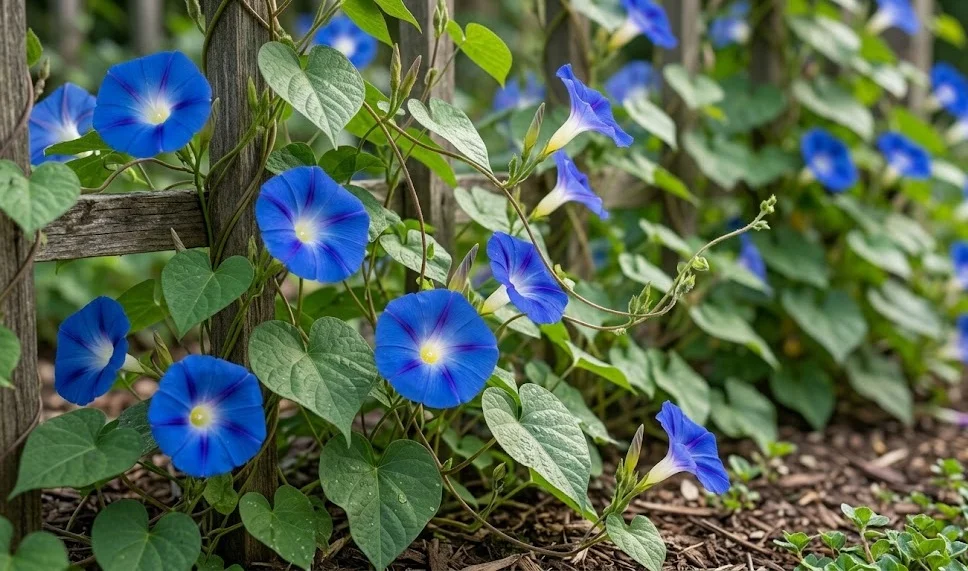

Maintaining the vitality of the blue morning glory requires a comprehensive understanding of its physiological needs and growth patterns throughout the growing season. This climbing annual is prized for its ethereal azure blooms that transform any garden space into a vibrant sanctuary of color and texture. Achieving the best results involves more than just basic planting; it demands a dedicated approach to environmental management and consistent monitoring. Gardeners must remain attentive to the subtle shifts in the plant’s health to ensure a long-lasting and prolific flowering period.
The foundation of successful care begins with the selection of a site that mimics the plant’s native tropical and subtropical habitats. These vines thrive in areas where they can stretch toward the sky without being obstructed by competing dense vegetation or heavy shadows. Providing a sturdy trellis or fence is essential as it allows the stems to wind upward, maximizing surface area for photosynthesis and flower production. Without proper support, the vines may sprawl across the ground, leaving them vulnerable to various soil-borne pathogens and physical damage.
Soil health plays a pivotal role in the overall vigor of the blue morning glory as it matures. The ideal medium should be rich in organic matter but also well-drained to prevent the roots from sitting in stagnant moisture for extended periods. Regularly checking the soil structure ensures that it remains friable and capable of supporting a robust root system that can sustain rapid top growth. Integrating compost or aged manure before the growing season can provide the necessary foundation for the plant’s demanding metabolic processes during the summer months.
Climate awareness is another critical component of the care routine for this specific variety of climber. While the plant enjoys warm temperatures, extreme heat can sometimes lead to wilting if the humidity levels are insufficient to support the foliage. Providing a layer of organic mulch around the base of the plant helps to regulate soil temperature and retain essential moisture during the peak of July and August. Protecting the delicate vines from strong, drying winds will also prevent mechanical damage and excessive transpiration, which can stunt development and reduce bloom quality.
Establishing the environment
Creating the perfect microclimate is the first step toward a flourishing garden display that lasts from early summer until the first frost. The blue morning glory requires a balance of shelter and exposure to reach its full genetic potential in a domestic setting. Choosing a location that offers protection from harsh northern winds while allowing for maximum southern exposure is usually the most effective strategy. Observation of the garden’s light patterns during the early spring will help in identifying the most suitable spots for planting.
More articles on this topic
The physical space allocated for the vines should consider their rapid growth rate and expansive nature. These plants can easily cover several meters in a single season, so they need enough room to breathe and expand without overcrowding neighboring species. Air circulation is vital for preventing the buildup of humidity around the leaves, which can otherwise lead to mildew or other fungal issues. Strategic spacing between plants ensures that each vine receives its fair share of resources and remains healthy throughout its life cycle.
Implementing a support system early in the plant’s life is far more effective than trying to manage mature, tangled vines later on. Sturdy wires, wooden lattices, or even simple twine can serve as excellent guides for the young, searching tendrils as they begin their ascent. Regularly inspecting the tension and integrity of these supports will prevent accidents during heavy rainstorms or periods of high wind. A well-supported vine not only looks more aesthetically pleasing but also remains more productive and easier to inspect for potential problems.
Gardeners should also be mindful of the impact of surrounding structures on the plant’s temperature regime. Brick walls or stone fences can act as heat sinks, radiating warmth back toward the vines during the cooler evening hours. This can be particularly beneficial in temperate zones where night temperatures might otherwise slow down the metabolic rate of tropical climbers. Conversely, dark-colored surfaces might become too hot in mid-summer, potentially scorching the delicate foliage if the plant is growing directly against them.
Soil and substrate management
The quality of the soil serves as the primary reservoir for both nutrients and water, directly influencing the speed and health of the vine. For the blue morning glory, a loamy soil that balances sand, silt, and clay is generally considered the gold standard for container or garden growth. It is important to avoid heavy clay soils that compact easily, as this can lead to poor aeration and eventual root rot. Testing the soil texture manually can provide immediate insights into whether amendments like perlite or coarse sand are necessary for improvement.
More articles on this topic
Nutrient availability is closely tied to the pH level of the substrate, which should ideally be kept in the slightly acidic to neutral range. If the soil is too alkaline, the plant may struggle to uptake essential micronutrients, leading to yellowing of the leaves or stunted growth. Adding elemental sulfur or peat moss can help lower the pH, while lime can be used if the soil is found to be excessively acidic. Regular testing with a simple home kit can take the guesswork out of maintaining these delicate chemical balances for the plant.
Organic matter is the lifeblood of a productive soil ecosystem and should be replenished at least once a year. Compost not only provides a slow-release source of nitrogen and phosphorus but also improves the soil’s ability to hold water without becoming waterlogged. Worm castings or well-rotted leaf mold are also excellent additions that introduce beneficial microbes into the root zone. These microorganisms help break down complex minerals into forms that the blue morning glory can easily absorb through its fine root hairs.
Drainage management is perhaps the most critical aspect of substrate care for anyone growing these vines in pots or raised beds. Containers must have multiple drainage holes at the bottom to allow excess water to escape freely after every irrigation session. Placing a layer of gravel or broken pottery at the base of the pot can further enhance the flow of water away from the sensitive root tips. In garden beds, creating a slight mound or using raised rows can prevent water from pooling around the main stem during periods of heavy or prolonged rainfall.
Climbing and support systems
The upward movement of the blue morning glory is driven by its natural instinct to find light and air for its reproductive structures. This climbing behavior is facilitated by the stems themselves, which twine around any available vertical or horizontal object they encounter. Providing a structured framework allows the gardener to direct this growth in a way that enhances the visual appeal of the landscape. Without a clear path, the plant will simply search for the nearest neighbor, potentially smothering other valuable plants in the process.
Materials for support should be chosen based on durability and the specific aesthetic of the garden design. Cedar or treated pine lattices offer a classic look and can withstand several seasons of weather exposure without rotting or warping. Metal obelisks or powder-coated steel grids provide a more modern feel and are exceptionally strong, capable of supporting the significant weight of mature vines. Even recycled materials like old ladders or repurposed architectural elements can be used to create unique and functional focal points in the garden.
The installation of the support should ideally happen before or at the time of planting to avoid disturbing the young roots later. If the support is placed after the vine has already started to crawl, there is a high risk of breaking the main leader or damaging the fragile leaf nodes. Tensioned wires are particularly useful for covering large wall surfaces, as they provide a nearly invisible structure for the flowers to display themselves. Ensuring that the support is anchored deeply into the ground will prevent the entire structure from toppling over under the weight of a rain-soaked vine.
Maintenance of the support system is a task that should be performed throughout the growing season as the plant gains mass. Check periodically for loose screws, frayed twine, or unstable posts that might give way during a summer thunderstorm. It is also helpful to gently guide wayward stems back toward the trellis to ensure even coverage across the entire surface area. By taking a proactive approach to support management, the gardener ensures that the blue morning glory remains a safe and beautiful addition to the outdoor environment.
Climate and temperature adaptation
As a species originating from warmer latitudes, the blue morning glory is highly sensitive to the thermal fluctuations of the surrounding air. It begins its most rapid phase of growth once the night temperatures consistently stay above ten degrees Celsius in late spring. Sudden drops in temperature can cause the plant to enter a temporary state of dormancy or, in severe cases, result in tissue damage. Monitoring the local weather forecast during the transitional periods of the year is vital for protecting the young and vulnerable starts.
In regions with shorter summers, providing a head start indoors can help the plant reach its flowering stage before the autumn cool sets in. However, the transition from a controlled indoor environment to the unpredictable outdoors must be handled with extreme care and patience. This process, known as hardening off, involves gradually exposing the plant to increasing amounts of sunlight and wind over a week or two. Skipping this step often leads to transplant shock, which can set back the development of the vine by several critical weeks of growth.
High humidity is generally well-tolerated and even preferred by the blue morning glory, as it reduces the rate of moisture loss from the large leaf surfaces. In arid climates, occasional misting during the early morning hours can help create a more favorable environment for the foliage. However, this should be done with caution to ensure the leaves dry completely before evening to minimize the risk of fungal spores germinating. The goal is to provide enough ambient moisture to keep the plant turgid and healthy without creating a swampy atmosphere.
Late-season temperature management is focused on extending the blooming period for as long as possible into the autumn months. As the days shorten and the air cools, the plant may begin to slow its production of new buds and focus more on seed development. Covering the vines with a light frost cloth on particularly cold nights can sometimes buy a few extra weeks of azure displays. Eventually, the arrival of a true killing frost will signal the end of the plant’s annual cycle, at which point it can be removed from the garden.
Monitoring daily growth cycles
One of the most fascinating aspects of the blue morning glory is its namesake behavior of opening its flowers only during the early hours. This diurnal cycle is a response to light intensity and temperature, ensuring that the blooms are available when specific pollinators are most active. A healthy plant will produce a fresh flush of dozens or even hundreds of flowers every single day throughout the peak season. Observing this rhythm helps the gardener understand the energy levels and resource needs of the vine at different times.
The closing of the flowers by mid-day or early afternoon is a natural mechanism to preserve moisture and protect the reproductive organs from the harsh sun. If the blooms remain closed or wither prematurely in the morning, it may be an indication of underwatering or excessive environmental stress. Checking the plant during the early morning hours provides the most accurate picture of its true health and vitality. This is also the best time to perform light maintenance or to look for any signs of pest activity that might be hidden during the day.
Growth rate monitoring is another way to gauge whether the care routine is meeting the plant’s intensive needs for development. During the middle of summer, a vigorous vine can grow several centimeters in a twenty-four-hour period under optimal conditions. If growth seems to have stalled, it is often a sign that the nutrient supply has been exhausted or that the roots have encountered a barrier. Keeping a simple garden journal can help track these progress markers and provide a reference for future planting seasons and adjustments.
The production of seeds follows the flowering phase and can consume a significant portion of the plant’s remaining energy reserves. If the goal is to maximize the number of flowers, removing the spent blooms before they can form seed pods is a highly effective technique. This encourages the vine to continue investing its resources into new bud formation rather than reproductive maturity. However, if the gardener wishes to collect seeds for next year, allowing a few pods to ripen at the end of the season is a rewarding practice.
Seasonal maintenance shifts
The care requirements for the blue morning glory evolve as the calendar moves from the early planting phase into the heat of summer. Initially, the focus is on establishment and protection, ensuring that the young seedlings are not overwhelmed by weeds or pests. As the vine grows, the emphasis shifts toward hydration and providing enough nutrients to support the massive increase in leaf surface area. Every stage of the plant’s life requires a slightly different approach to ensure it remains the centerpiece of the garden landscape.
Mid-summer maintenance is primarily about consistency and responding to the challenges posed by high temperatures and potential drought. This is the time when the watering schedule must be most rigorous to prevent the soil from drying out completely between sessions. Regular scouting for pests like spider mites or aphids is also crucial, as these insects thrive in the warm, dry conditions of July. Prompt action at the first sign of trouble can prevent a minor infestation from becoming a major problem that threatens the entire vine.
As the season begins to turn toward autumn, the gardener should slowly reduce the frequency of heavy fertilization to allow the plant to naturally wind down. Continuing to push for rapid growth with high-nitrogen fertilizers late in the season can result in soft tissue that is easily damaged by the coming cold. Instead, the focus should be on maintaining the health of the existing foliage and enjoying the final displays of the year. This period is also ideal for identifying which parts of the garden the morning glory performed best in for future planning.
The final phase of maintenance involves the clean-up and preparation of the site once the first frost has ended the plant’s life. Removing the dead vines from the trellis is a necessary task to prevent the overwintering of pests or diseases in the garden. These dried materials can be composted if they are free from major infections, returning their nutrients back to the earth for next year’s crops. Taking the time to properly clear the area ensures a fresh start for the next gardening season and maintains the overall tidiness of the landscape.
Longevity and vitality practices
Ensuring that the blue morning glory remains vibrant for the longest possible duration requires a holistic approach to plant health. This involves not only reactive care but also proactive measures that strengthen the plant’s internal defenses against stress. Providing a stable environment with minimal fluctuations in moisture and nutrient availability is the key to a long and successful season. When the plant does not have to constantly adapt to extreme changes, it can focus all its energy on growth and reproduction.
Mulching is a simple yet powerful tool for enhancing the longevity of the vine by protecting the root zone from environmental extremes. A thick layer of straw, wood chips, or shredded leaves keeps the soil cool and moist, which is essential for a plant with such a high transpiration rate. As the mulch breaks down, it also contributes to the organic matter in the soil, slowly feeding the plant over several months. This practice reduces the need for frequent watering and helps to suppress competing weeds that would otherwise steal resources.
The use of bio-stimulants or seaweed extracts can also provide a boost to the plant’s overall vitality and resistance to environmental pressures. These natural products often contain trace minerals and hormones that encourage stronger root development and more efficient nutrient uptake. Applying these as a foliar spray or a soil drench every few weeks can make a noticeable difference in the lushness of the leaves and the intensity of the flower color. While not a replacement for basic fertilizers, they act as an excellent supplement for a truly professional garden result.
Finally, the most important factor in the plant’s longevity is the personal attention and observation provided by the gardener. Noticing the small details, such as a slight change in leaf color or a new type of insect on the stems, allows for immediate intervention. Gardening is a continuous learning process, and every season with the blue morning glory offers new insights into its unique preferences and behaviors. By fostering a deep connection with the plant, the gardener ensures that its azure beauty will continue to grace the garden year after year.