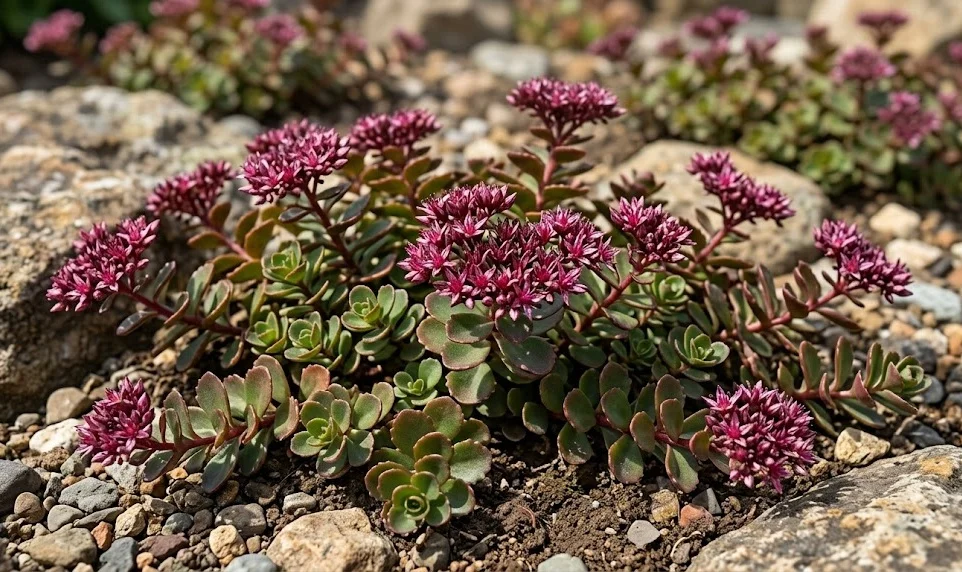

The Caucasian stonecrop is a remarkably resilient perennial that has gained immense popularity among gardeners for its ability to thrive in challenging conditions. Its low-growing, mat-forming habit makes it an ideal candidate for rock gardens, stone walls, and slopes where other plants might struggle to take root. This species displays a beautiful variety of leaf colors ranging from deep green to burgundy, providing visual interest throughout the growing season. Understanding the fundamental needs of this succulent is the first step toward creating a lush, maintenance-free landscape.
Selecting the right location is paramount for the long-term success of this versatile groundcover in any garden setting. While it is known for its toughness, it performs best in spots where it can receive ample sunlight and has room to spread its creeping stems. The soil does not need to be particularly rich, but it must be capable of shedding excess moisture quickly to prevent any health issues. Proper placement ensures that the plant maintains its compact form and vibrant foliage colors throughout the year.
Regular monitoring of the plant’s development helps in identifying the minor adjustments needed to maintain its aesthetic appeal. Even though it is a low-maintenance species, checking for overcrowding or encroaching weeds will keep the mat looking healthy and dense. Removing debris that falls into the foliage during autumn prevents moisture trap and potential rot in the lower layers. A proactive approach to basic care allows the plant to function as a living mulch, suppressing weeds naturally while protecting the soil.
The life cycle of this stonecrop involves a beautiful transition from spring growth to summer blooming and autumn color changes. Gardeners should appreciate how the fleshy leaves store water, allowing the plant to endure periods of drought that would wither more delicate perennials. This biological adaptation makes it a sustainable choice for modern landscapes that prioritize water conservation and ecological balance. By respecting its natural growth patterns, you can enjoy a reliable garden performer that requires very little intervention from the grower.
Soil quality and drainage requirements
The foundation of a healthy stonecrop colony lies in the physical structure and drainage capabilities of the substrate it inhabits. Unlike many garden plants that require heavy organic matter, this succulent prefers a lean, gritty soil that mimics its native rocky habitats. Excessive nutrients can often lead to leggy, weak growth that loses the characteristic tight-knit appearance of the foliage. Ensuring that the soil is porous allows oxygen to reach the roots while preventing the stagnation of water during rainy periods.
More articles on this topic
If your garden consists of heavy clay, it is highly recommended to amend the planting area with coarse sand or fine gravel. Incorporating these materials improves the macropore space, which is essential for the rapid movement of water away from the root zone. A raised bed or a slightly sloped area can also provide the natural gravitational drainage that these plants find so beneficial. Without these precautions, the roots may suffer in saturated conditions, leading to a decline in the overall vigor of the colony.
The pH level of the soil is generally not a limiting factor for this species, as it shows remarkable adaptability to various chemical environments. It can flourish in slightly acidic to moderately alkaline conditions without showing signs of nutrient deficiency or chlorosis. However, maintaining a neutral pH often yields the most balanced growth and the most vivid flower production during the mid-summer months. Simple soil tests can confirm these levels, but most standard garden soils will prove perfectly adequate for its needs.
While the plant is not a heavy feeder, a very thin layer of compost applied in the early spring can provide a gentle boost. This organic addition should be minimal, as the goal is to support natural growth rather than forcing rapid expansion. Avoid using heavy mulches like wood chips directly around the stems, as these can retain too much moisture against the fleshy leaves. Instead, consider using a decorative gravel mulch which helps with drainage and complements the plant’s natural aesthetic.
Spatial management and groundcover density
Managing the spread of this stonecrop is a straightforward task that yields great rewards in the overall design of the garden. As a mat-forming plant, it uses its prostrate stems to creep across the soil surface, rooting at the nodes as it moves. This behavior allows it to quickly fill in gaps between stepping stones or cover bare patches of earth effectively. Controlling this growth ensures that the plant remains within its designated boundaries and does not overwhelm smaller, less vigorous neighbors.
More articles on this topic
Creating a dense carpet of foliage is the primary goal for most gardeners using this species as a functional groundcover. To achieve this, individual plants should be spaced closely enough to touch within their first full growing season. A tight canopy of leaves shades the soil, which significantly reduces the germination of weed seeds and conserves the little moisture the plant requires. Over time, the interwoven stems create a durable mat that can even withstand occasional light foot traffic without significant damage.
In areas where the plant begins to grow beyond its intended limits, the creeping stems can be easily directed or trimmed. The flexibility of the plant allows for creative shaping around garden ornaments, rocks, or the edges of decorative containers. If the center of an older patch begins to look sparse, it is often a sign that the plant needs to be encouraged to fill back in. Simply pressing healthy stems into the bare soil can stimulate new root growth and rejuvenate the entire appearance of the colony.
The density of the foliage also plays a role in the thermal regulation of the soil beneath the plant. By covering the ground completely, the stonecrop protects the soil surface from the direct rays of the hot summer sun. This cooling effect can benefit the root systems of nearby larger plants or shrubs by maintaining a more stable underground temperature. Thus, the stonecrop acts not just as a decorative element, but as a functional component of a healthy, integrated garden ecosystem.
Seasonal maintenance and observations
As the seasons change, the requirements and appearance of the Caucasian stonecrop undergo subtle but important transformations that a gardener should note. In the early spring, the first signs of new growth emerge as tiny, tightly packed leaves at the tips of the stems. This is the ideal time to clear away any winter debris and assess the general health of the plant after the dormant period. A clean start in the spring sets the stage for a vigorous growing season and prepares the plant for its summer display.
During the height of summer, the plant shifts its energy from foliage production to the development of its star-shaped flowers. These blossoms are not only beautiful to look at but also serve as a vital nectar source for local pollinators like bees and butterflies. Observing the activity around the flowers can be a rewarding experience for any nature-loving gardener who values biodiversity. Once the blooming period has finished, the spent flower stalks can be left for texture or removed to maintain a tidier look.
The arrival of autumn brings a shift in the color palette of the foliage, often intensifying into deep reds or bronzes as temperatures drop. This natural response to shorter days and cooler nights is one of the most attractive features of the species. It provides a warm visual element to the late-season garden when many other perennials are starting to fade away. Monitoring these color changes helps the gardener understand the plant’s transition into its winter rest phase.
Winter care is minimal, yet it involves ensuring that the plant is not buried under heavy, wet leaves from surrounding trees. While the stonecrop is cold-hardy, the combination of freezing temperatures and excessive surface moisture can be detrimental. In regions with significant snowfall, the plants are usually well-protected by the insulating layer of snow until the spring thaw. By following this seasonal rhythm, the gardener ensures that the plant remains a permanent and thriving fixture in the landscape.
Companion planting for aesthetic balance
Choosing the right companions for this stonecrop involves selecting plants that share similar environmental needs and offer contrasting visual textures. High-contrast pairings, such as the fine foliage of the stonecrop next to the broad leaves of a hardy agave, create dynamic garden compositions. Because it is a low-grower, it should be placed in the foreground of borders or at the base of taller, structural plants. This layering technique adds depth to the garden and ensures that every plant has its own space to shine.
Ornamental grasses are excellent partners for this succulent, as their upright, airy form contrasts beautifully with the dense, horizontal mat of the stonecrop. Species like blue fescue or small fountain grasses thrive in the same sunny, well-drained conditions that the stonecrop prefers. The movement of the grasses in the wind provides a sense of animation that complements the static, grounded nature of the succulent carpet. Together, they create a low-maintenance planting scheme that looks professional and well-thought-out.
In rock gardens, pairing the plant with other alpine species can recreate a naturalistic mountain landscape. Creeping phlox, dwarf irises, and various types of hens-and-chicks are traditional choices that work harmoniously with the Caucasian stonecrop. These plants all appreciate the sharp drainage provided by rocky soil and benefit from the moisture-retentive qualities of a gravel mulch. The resulting tapestry of colors and forms is visually stimulating throughout the year, even when the plants are not in bloom.
For a more modern or minimalist look, consider using the stonecrop as a monolithic groundcover under specimen trees with light canopies. The uniform texture of the mat provides a clean, green or reddish base that highlights the architecture of the tree’s trunk and branches. This approach works particularly well in urban gardens or small spaces where a cluttered planting scheme might feel overwhelming. By selecting companions carefully, you can enhance the natural beauty of the stonecrop while building a resilient garden community.
Environmental stress and resilience
One of the most impressive traits of this plant is its ability to withstand environmental stresses that would typically kill more sensitive garden varieties. It has evolved to survive in thin soils and exposed locations, making it naturally resistant to high heat and intense sunlight. During a particularly hot summer, the plant might slow its growth, but it rarely shows signs of wilting thanks to its internal water reserves. This resilience makes it a “set and forget” plant for many homeowners who may not have time for daily gardening.
Drought tolerance is a key feature that stems from the succulent nature of the plant’s leaves and stems. When water is scarce, the plant uses its stored moisture to maintain its vital functions until the next rainfall occurs. While it will grow more quickly with regular watering, it is perfectly capable of surviving long periods of dry weather without permanent damage. This makes it an ecologically responsible choice in areas where water restrictions are common or where irrigation is difficult.
The plant also shows a surprising level of tolerance for poor air quality, which is a major advantage for urban gardening projects. It can thrive in containers on balconies or in small city plots where pollution levels might be higher than in rural areas. Its tough exterior and efficient metabolic processes allow it to filter through these challenges without losing its ornamental value. For those living in busy environments, this stonecrop offers a touch of nature that is both hardy and aesthetically pleasing.
Even in the face of physical damage, such as being stepped on or nibbled by wandering wildlife, the plant shows remarkable recovery powers. Broken stems often take root where they fall, effectively turning a moment of damage into an opportunity for further propagation. This tenacity ensures that the groundcover remains a persistent part of the landscape over many years. Gardeners can take comfort in knowing that this plant is designed by nature to be a survivor in the truest sense.
Long-term garden health and rejuvenation
To keep a stonecrop colony looking its best over many years, occasional rejuvenation may be necessary to prevent the center from becoming woody. As the plant ages, the older stems in the middle of the mat can lose their leaves, leading to a less attractive, sparse appearance. This is a natural part of the plant’s growth cycle and is easily corrected with a few simple horticultural techniques. By staying ahead of this process, you can maintain a vibrant and youthful-looking groundcover indefinitely.
Division is the most effective way to rejuvenate an older patch and is best performed in the spring or early autumn. By lifting the entire mat and separating it into smaller, healthy sections, you stimulate fresh root and shoot development. These new divisions can then be replanted in the same area or moved to other parts of the garden to start new colonies. This process not only improves the health of the original plant but also provides you with free plants to expand your landscape.
Adding a fresh layer of gritty soil or fine compost over the top of a thinning mat can also encourage new growth from the stems. This technique, often called “top-dressing,” provides the trailing stems with a fresh medium to root into as they grow. It helps to anchor the plant more firmly to the ground and fills in the small gaps that may have developed over time. When combined with a light pruning, top-dressing can transform an aging plant back into a lush, dense carpet within a single season.
Finally, keeping an eye on the surrounding environment ensures that the stonecrop is not being crowded out by more aggressive neighboring plants. Over time, nearby shrubs or perennials may grow larger than expected, casting too much shade on the light-loving stonecrop. Periodically thinning out these neighbors or moving the stonecrop to a sunnier spot will keep it thriving. With this mindful approach, the Caucasian stonecrop will remain a reliable and beautiful part of your garden for decades to come.