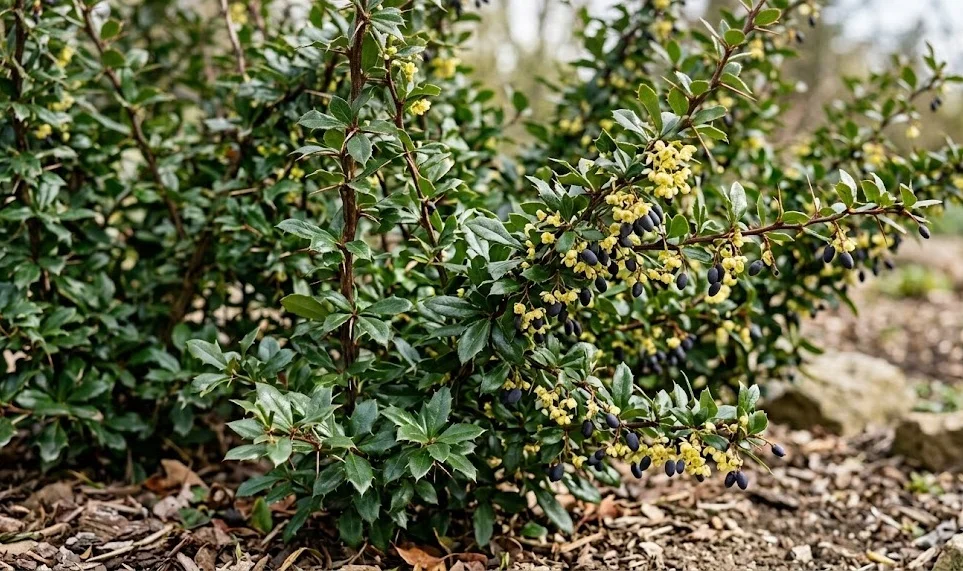

Pruning is a vital aspect of caring for the Wintergreen barberry, as it allows you to control the plant’s size, shape, and overall health. While this shrub is naturally robust and can grow into a formidable barrier without much intervention, strategic trimming ensures it remains an asset rather than an overgrown nuisance. Whether you are maintaining a formal hedge or a natural specimen, understanding the professional techniques for pruning will help you work safely and effectively. This guide covers the timing, tools, and methods needed to keep your barberry shrubs looking their absolute best.
The first thing to remember when approaching a Wintergreen barberry is the presence of its sharp, needle-like spines that guard every branch. These thorns are highly effective at deterring intruders, but they can be a significant hazard for the gardener if proper precautions are not taken. You must always wear heavy-duty leather gloves, long sleeves, and eye protection before you begin any trimming work. Approaching the task with the right safety gear and a plan will make the process much more manageable and prevent painful accidents during your garden maintenance.
Timing is the next critical consideration, as you want to prune at a point in the plant’s cycle that minimizes stress and maximizes the recovery rate. For general maintenance and shaping, the best time to prune is in the late spring or early summer, immediately after the flowering period has finished. This allows you to enjoy the spring blossoms while giving the plant the rest of the growing season to produce new foliage and “heal” the cuts. Avoiding late-autumn pruning is essential, as you don’t want to encourage new growth that would be tender and vulnerable to the coming winter frost.
Pruning should always serve a purpose, whether it is to remove dead wood, increase light penetration, or maintain a specific aesthetic. A well-pruned barberry should look healthy and vibrant, with a structure that supports its own weight and allows for good air circulation throughout the canopy. By following a graduated approach—starting with the “three Ds” (dead, damaged, and diseased wood)—you can ensure that your interventions are always in the best interest of the plant’s long-term vitality. Professional pruning is as much about what you leave on the plant as what you take away.
Essential tools and safety measures
To achieve clean, professional cuts on a Wintergreen barberry, you need the right tools that are sharp and well-maintained. For most routine trimming, a high-quality pair of bypass pruners is the best choice, as they act like scissors and provide a clean slice that heals quickly. If you are dealing with thicker, older branches, you may need a pair of loppers to get the necessary leverage and reach. For large-scale hedging, petrol or electric hedge trimmers can save a significant amount of time, though they offer less precision than manual hand tools.
More articles on this topic
Sterilizing your tools before and after each use is a hallmark of a professional gardener and a vital step in preventing the spread of disease. You can easily clean your blades with a solution of 70% isopropyl alcohol or a mild bleach solution to kill any lingering fungal spores or bacteria. This is especially important if you have recently pruned a plant that showed signs of illness, as you don’t want to accidentally “inoculate” your healthy barberries. A clean cut with a clean tool is the best way to ensure the plant’s vascular system remains healthy and functional.
Safety should never be compromised when working with such a thorny species, as the spines can easily pierce standard gardening gloves. It is worth investing in a pair of “thorn-proof” gauntlets that cover your wrists and lower arms, providing an extra layer of defense against accidental scratches. When you are finished pruning, be extremely careful when handling the clippings, as the thorns remain sharp even after the branch has been removed. Using a rake to gather the debris and a sturdy container for disposal will keep your hands and feet safe from stray spines.
If you are working on a large hedge, always ensure your footing is stable and that you are not overreaching, which can lead to falls or uneven cuts. Using a sturdy ladder or a specialized work platform is much safer than trying to balance on uneven ground while operating heavy trimmers. Taking the time to set up your work area properly will result in a much better final product and a much safer experience for you. Pruning a barberry can be a challenging task, but with the right equipment and a methodical approach, it is a very rewarding part of garden care.
Techniques for formal hedges
When maintaining a Wintergreen barberry as a formal hedge, the goal is to create a dense, uniform wall of green that serves both an aesthetic and a functional purpose. The most important rule of hedge trimming is to keep the base of the hedge wider than the top, a technique often called “tapering.” This allows sunlight to reach the lower branches, preventing them from becoming bare and “leggy” over time. A hedge that is wider at the top will eventually shade out its own base, leading to a hollow, unattractive appearance that is difficult to correct.
More articles on this topic
To achieve a perfectly straight line, you can use a string line stretched between two stakes as a visual guide for your trimming. Start at the bottom and work your way up, using smooth, steady strokes to remove the outward-growing tips and encourage denser interior growth. Frequent, light trimming is much better for the health and appearance of a formal hedge than infrequent, heavy pruning. By removing only a small amount of growth several times a year, you keep the hedge looking sharp and prevent it from ever becoming unmanageable.
For a very formal look, you should aim to trim the hedge at least twice during the growing season: once in late spring and again in mid-summer. This keeps the new growth in check and ensures that the surface of the hedge remains smooth and tightly knit. The dense, interlocking branches of the Wintergreen barberry respond very well to this type of management, quickly filling in any small gaps that might appear. Over time, your consistent efforts will result in a formidable security barrier that also acts as a beautiful architectural element in your garden.
If your hedge has become too wide or tall, you can perform a more aggressive “reduction” prune, but this should be done gradually over several seasons. Cutting back too much of the foliage at once can shock the plant and leave it looking bare for a long period. Instead, take back only a portion of the excess growth each year, allowing the interior of the plant to adapt and produce new leaves to cover the cuts. With patience and a steady hand, you can maintain a barberry hedge at almost any size and shape that fits your landscape design.
Natural shaping and rejuvenation
For those who prefer a more informal or “natural” look, pruning the Wintergreen barberry involves a lighter touch that respects its inherent arching form. Rather than shearing the entire surface, you should focus on “thinning out” about one-third of the oldest branches each year, cutting them back to the base of the plant. This practice, known as renewal pruning, encourages fresh new shoots to emerge from the ground and keeps the shrub looking youthful and vibrant. It also improves airflow and light penetration, which are essential for preventing the buildup of dead wood in the center of the plant.
Thinning also allows you to manage the overall size of the shrub without the “chopped” look that comes from simply cutting the ends off all the branches. By selecting the longest or most wayward stems and removing them at their point of origin, you can maintain a tidy appearance while preserving the plant’s graceful silhouette. This approach is particularly well-suited for specimens planted in woodland gardens or as part of a mixed shrub border. A naturally pruned barberry offers a softer, more relaxed aesthetic that blends seamlessly into a diverse landscape.
If you have an old, neglected barberry that has become a tangled mess of dead wood and sparse foliage, you might consider rejuvenation pruning. This involves cutting the entire plant back to within six to twelve inches of the ground in the early spring before new growth starts. While this is a drastic measure, the Wintergreen barberry is remarkably resilient and will typically respond by sending up a flush of vigorous new stems. Within a couple of seasons, you will have a brand-new, healthy shrub that is much easier to manage than the old, overgrown specimen it replaced.
After any significant pruning, it is a good idea to provide the plant with a little extra care to support its recovery. Applying a balanced fertilizer and ensuring the soil remains moist will give the shrub the nutrients and hydration it needs to produce new leaves. Keep a close eye on the fresh growth for any signs of pests, as the tender new shoots are often more attractive to insects like aphids. By balancing your pruning interventions with attentive aftercare, you ensure that your Wintergreen barberry remains a strong, healthy, and beautiful part of your garden for many years to come.