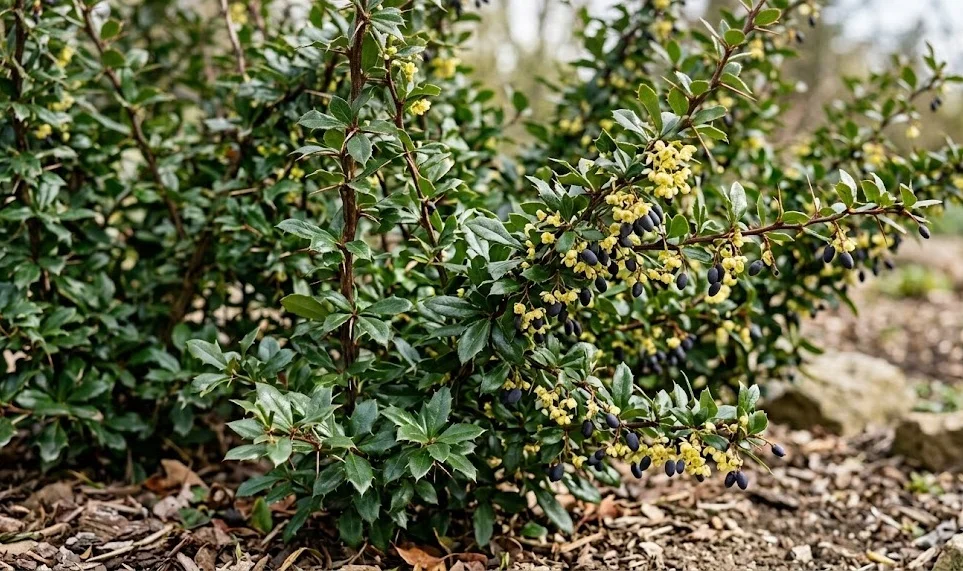

The Wintergreen barberry is highly valued for its ability to maintain its foliage and structural integrity through the coldest months of the year. As an evergreen, it serves as a vital anchor in the winter landscape, providing color and texture when most other plants have retreated into dormancy. However, even the hardiest species can benefit from a professional approach to winter preparation to ensure they emerge in spring without damage. This guide details the essential steps you should take to protect your barberry from the unique challenges of the winter season.
The primary goal of overwintering is to minimize the physiological stress caused by freezing temperatures, drying winds, and heavy snow. Unlike deciduous plants that drop their leaves to conserve energy and moisture, the barberry must keep its vascular system somewhat active to support its persistent foliage. This makes it particularly vulnerable to “desiccation,” a process where the leaves lose more water than the frozen roots can replace. By taking proactive measures in late autumn, you can help the plant maintain its internal water balance and survive even the harshest cold snaps.
Winter care also involves protecting the physical form of the shrub from the mechanical weight of snow and ice. The dense, multi-stemmed structure of the Wintergreen barberry is excellent for creating a hedge, but it can also act as a trap for heavy snowfall. If too much weight accumulates, branches can splay outward or even snap, permanently ruining the symmetrical shape of the specimen. Understanding how to manage these physical risks is just as important as managing the plant’s biological needs during the dormant period.
Finally, the winter season is an excellent time to observe the health of your garden from a different perspective and plan for the coming year. Without the distraction of flowering perennials and lush summer growth, you can clearly see the structural health of your barberries and identify any areas that might need attention in the spring. Overwintering is not just a period of waiting; it is a critical phase of the plant’s annual cycle that sets the stage for future growth. A little bit of foresight in the autumn will ensure that your barberry remains a stunning focal point throughout the entire year.
Autumn preparation for winter success
The road to a successful winter begins several weeks before the first frost arrives with a focus on hydration and nutrition. You should continue to water your barberry deeply throughout the autumn, especially if the season has been unusually dry. The goal is to ensure that the plant’s tissues are fully “charged” with moisture before the ground freezes solid and makes water inaccessible. A well-hydrated plant is far more resilient to the drying effects of winter winds than one that enters the cold season in a state of drought stress.
More articles on this topic
During this preparation phase, you should also apply a fresh layer of organic mulch around the base of the shrub to insulate the root zone. A thick layer of wood chips, bark, or compost acts as a thermal blanket, slowing down the rate at which the ground freezes and thaws. This stability is crucial because frequent “heaving” of the soil can damage the fine feeder roots and even push young plants out of the ground. Be careful to keep the mulch from directly touching the main stems to prevent moisture buildup that could lead to fungal issues over the winter.
It is important to avoid any heavy pruning or nitrogen-rich fertilization as the temperatures begin to drop in late autumn. These activities stimulate new, tender growth that does not have enough time to “harden off” or develop a protective waxy coating before the freezing weather hits. This soft tissue is highly susceptible to frost damage, which can lead to unsightly black tips on the branches and provide an entry point for disease. Instead, allow the plant to follow its natural inclination to slow down its metabolism and prepare for the coming dormancy.
Finally, take the time to clean up the area around the base of the plant by removing any fallen leaves or garden debris. This simple act of sanitation prevents pests and fungal spores from finding a cozy place to hide during the winter months. If you have had issues with specific diseases like leaf spot during the summer, this cleanup is even more critical for breaking the infection cycle. Starting the winter with a clean, well-mulched, and hydrated plant is the best insurance policy you can provide for your Wintergreen barberry.
Protecting against winter desiccation
Winter desiccation, often referred to as “winter burn,” is perhaps the most common problem for evergreen shrubs in cold climates. It occurs when bright winter sun and cold winds cause the leaves to lose moisture through transpiration while the roots are unable to pull more water from the frozen soil. The result is brown, scorched-looking foliage that can take a long time to recover in the spring. This is particularly prevalent on the south or west-facing sides of the plant, where the sun is strongest, or on sides exposed to prevailing winter winds.
More articles on this topic
One professional solution for preventing winter burn is the application of an anti-desiccant spray in late autumn when temperatures are around 4-5 degrees Celsius. These products create a thin, waxy film over the leaves that significantly reduces the rate of moisture loss without interfering with the plant’s ability to breathe. You should aim for a day with no rain in the forecast so the spray has time to dry completely and bond to the leaf surface. A second application in mid-winter during a brief thaw can provide extra protection if the season is particularly long and harsh.
For barberries planted in very exposed or windy locations, creating a physical windbreak can be a life-saving measure. You can construct a simple screen using wooden stakes and burlap to shield the plant from the most damaging gusts. It is important to ensure the burlap does not directly touch the foliage, as this can lead to moisture buildup and potential rot; instead, wrap it around the stakes to create a “fence” near the plant. This barrier breaks the force of the wind and creates a slightly calmer, more humid microclimate immediately around the shrub.
If you notice signs of winter burn in the early spring, do not be too quick to prune away the affected branches. Often, the damage is only on the surface, and the buds underneath remain healthy and ready to produce new growth. Wait until the plant has fully “woken up” and you can see exactly where the new leaves are emerging before you make any corrective cuts. With a little patience and the right protective measures, your Wintergreen barberry will weather the winter and return to its lustrous green state as soon as the weather warms.
Managing snow and ice loads
The dense, intricate branch structure of the Wintergreen barberry is a magnet for heavy, wet snow, which can accumulate quickly during a winter storm. While the wood is relatively flexible, the cumulative weight of several inches of snow can cause the branches to bend to the breaking point. If a shrub is splayed open by the weight, it may never fully return to its original shape, leading to a permanent gap in your hedge. Being proactive during and after a snowstorm is the key to preserving the structural integrity of your plants.
After a significant snowfall, you should gently brush the snow off the branches using a soft broom or your hands in an upward motion. Avoid shaking the branches violently or hitting them with a heavy tool, as frozen wood is brittle and can snap easily under sudden stress. It is also important to remove snow before it has a chance to partially melt and then re-freeze into a heavy crust of ice. If ice has already formed on the branches, it is usually best to leave it alone and let it melt naturally, as trying to chip it away will almost certainly cause more damage than the ice itself.
For younger barberries or those that have been pruned into a specific formal shape, you can provide extra support by loosely wrapping the plant with garden twine. Start at the base and wind the twine upward in a spiral, pulling the branches gently toward the center of the plant. This creates a more unified “column” that is much better at shedding snow and resisting the wind than a splayed-out shrub. Make sure the twine is not too tight, as you still want air to circulate through the interior of the plant to prevent mold.
If you do experience branch breakage due to snow or ice, you should perform a clean prune as soon as the weather allows. Using sharp, sterilized shears, cut the damaged branch back to a healthy side-shoot or to the main stem to prevent the wound from becoming an entry point for pests. A clean cut heals much faster than a jagged break and helps the plant redirect its energy toward new growth in the spring. By staying vigilant during the winter months, you can ensure that your barberry remains a sturdy and beautiful part of your garden for many years to come.
Monitoring and late-winter care
As the winter begins to wane and you see the first signs of a thaw, it is time to reassess the condition of your barberry shrubs. This late-winter period can be particularly tricky, as fluctuating temperatures can cause the plant to “wake up” prematurely only to be hit by a late frost. Keep an eye on the moisture levels in the soil; if the ground has thawed but the spring rains haven’t started yet, a mid-season watering can be very beneficial. This helps the plant replace any moisture lost during the winter and prepares it for the coming growth spurt.
Take a walk around your garden and look for any signs of “heaving,” where the freeze-thaw cycle has pushed the plant’s crown up out of the soil. If you see exposed roots, gently press the plant back into place and add a bit more soil or mulch to cover them. This is also a good time to check for any animal damage, as hungry rabbits or deer may have nibbled on the bark or lower branches when other food sources were scarce. While the thorns of the barberry are a great deterrent, extreme hunger can sometimes drive wildlife to take a chance on a prickly meal.
If you used burlap screens or twine wraps for protection, you should remove them as soon as the threat of extreme cold and heavy snow has passed. Keeping the plants wrapped for too long as the weather warms can create a humid environment that encourages fungal growth and premature budding. Allow the shrub to breathe and experience the natural shifts in temperature that signal the transition to spring. This gradual acclimatization helps the plant adjust its internal chemistry and ensures a smooth start to the new growing season.
Finally, use this quiet time to sharpen your tools and prepare for the spring maintenance tasks that will soon be required. The Wintergreen barberry is a resilient and rewarding plant that asks for very little in exchange for its year-round beauty. By providing a few simple protections during the winter, you are honoring the investment you have made in your landscape. As the first green buds begin to swell in the spring, you will see the results of your careful overwintering reflected in a healthy, vibrant, and flourishing shrub.