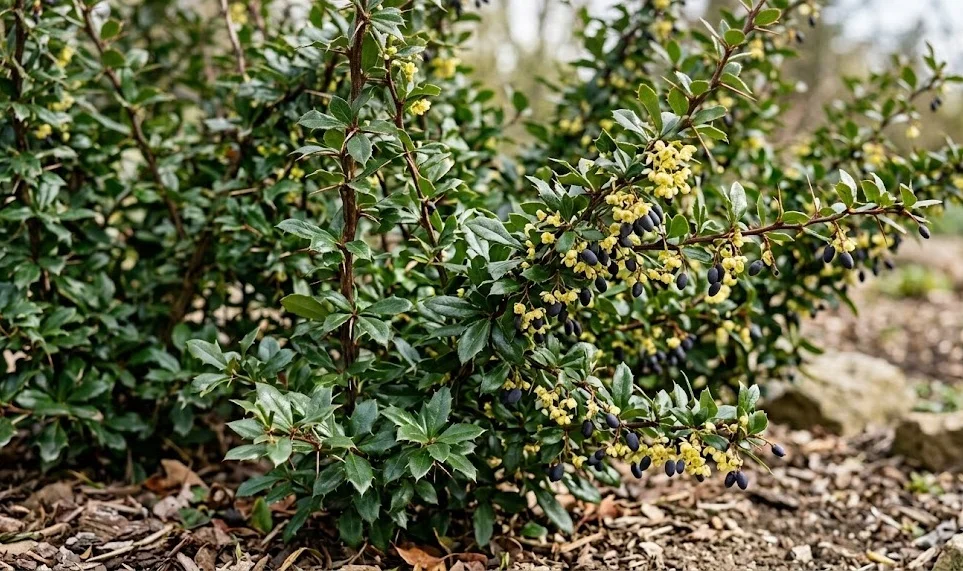

The Wintergreen barberry is a remarkably resilient evergreen shrub that has earned its place in modern landscaping through its structural elegance and year-round visual appeal. This species is particularly valued for its dense, leathery foliage and the sharp spines that make it an excellent choice for natural security hedging. When you decide to incorporate this plant into your garden, you are committing to a specimen that offers deep green hues in summer and often transitions to bronzy tones during the colder months. Maintaining its health requires a nuanced understanding of its environmental preferences and its natural growth cycle over several seasons.
Caring for this shrub starts with a thorough assessment of its immediate environment to ensure it has room to expand without interference. While it is known for its toughness, providing a stable foundation in the early years will lead to a much more robust specimen later on. You should monitor the soil drainage regularly, as waterlogged roots are one of the few things that can truly compromise the vitality of this barberry. A well-placed specimen can live for decades, acting as a sturdy backdrop for more delicate flowering perennials or as a standalone focal point in a minimalist garden design.
The seasonal transition of the foliage is one of the most rewarding aspects of caring for this particular variety of barberry. During the spring, you will notice subtle yellow flowers tucked among the spines, which require no special intervention but provide a vital early food source for pollinators. As summer progresses, the waxy coating on the leaves helps the plant retain moisture, making it surprisingly drought-tolerant once it has fully established its root system. Even in the depths of winter, the persistent leaves maintain their structure, providing essential cover for small garden birds seeking shelter from the wind.
Consistency in observation is the hallmark of a successful gardener when dealing with such a long-lived woody shrub. You should make a habit of checking the inner branches for any accumulated debris or dead wood that might restrict airflow within the dense canopy. Although the plant is naturally resistant to many common garden stressors, staying proactive ensures that any minor issues are addressed before they impact the overall aesthetic of the hedge. By treating the Wintergreen barberry with respect for its natural form, you create a sustainable landscape element that requires less intensive labor over time.
Soil management and site selection
The quality of the soil plays a fundamental role in the long-term health and growth rate of your barberry shrubs. These plants generally prefer a soil profile that is rich in organic matter but, more importantly, one that allows for rapid drainage after heavy rainfall. If you are dealing with heavy clay, it is highly recommended to incorporate grit or well-rotted compost to improve the physical structure before planting. Proper aeration within the soil ensures that the roots can access oxygen, which is vital for the metabolic processes that drive new foliage production.
More articles on this topic
Site selection should take into account the ultimate spread of the shrub, which can reach significant dimensions if left unmanaged. You must ensure that there is enough horizontal space so that the plant does not crowd out neighboring species or grow into walkways where its thorns might become a nuisance. Air circulation is another critical factor, as stagnant air in humid climates can lead to fungal issues even in resistant varieties. Placing the barberry in a location with gentle air movement will help keep the foliage dry and healthy throughout the year.
While the plant is adaptable to various pH levels, it typically thrives in slightly acidic to neutral soils where nutrient uptake is most efficient. If your garden soil is excessively alkaline, you might notice a slight yellowing of the leaves, a condition known as chlorosis, which can be corrected with appropriate amendments. Testing your soil every few years is a professional approach that allows you to make informed decisions about necessary adjustments. Understanding the chemistry of your land is the first step toward achieving the deep, lustrous green color that this barberry is famous for.
In urban environments, this species proves its worth by showing a high tolerance for air pollution and poor soil conditions often found near roadsides. It can withstand the occasional salt spray in coastal areas or near salted winter roads, though it prefers more pristine conditions for optimal growth. If you are planting near a foundation or a wall, ensure there is enough distance to allow the roots to expand symmetrically. This spatial planning prevents the plant from leaning or becoming top-heavy on one side as it matures toward its full height.
Seasonal maintenance routines
As spring arrives, the primary focus of care shifts toward supporting the new growth that emerges from the woody stems. This is the ideal time to clear away any mulch that has become compacted over the winter and refresh the base of the plant with new organic material. You should look for the first signs of flower buds, which indicate that the plant has successfully navigated the dormant season. Early spring is also the best window to apply a slow-release fertilizer that will provide a steady stream of nutrients during the peak growing months.
More articles on this topic
Summer care is largely centered on monitoring hydration levels, especially during prolonged heatwaves or periods of extreme drought. While established barberries are quite hardy, young plants require regular check-ins to ensure the soil has not dried out completely around the root ball. Mulching remains your best tool during the summer, as it keeps the root zone cool and significantly reduces the rate of evaporation. If you notice the leaves beginning to lose their turgidity or drooping slightly, it is a clear signal that a deep, thorough watering is required.
Autumn brings a shift in the plant’s metabolic priorities as it prepares for the cold months ahead and begins to harden its wood. You will often see a beautiful color shift in the foliage, ranging from deep purple hues to bright oranges and reds depending on the specific environmental stressors. This is a good time to perform a final cleanup of the surrounding area, removing fallen leaves from other trees that might harbor pests or diseases. Avoid heavy nitrogen fertilization during this period, as you do not want to encourage tender new growth that would be killed by the first frost.
Winter maintenance is minimal but involves protecting the shrub from physical damage caused by heavy snow loads or ice storms. The dense structure of the barberry can catch a significant amount of snow, which may cause branches to splay or break if the weight becomes excessive. It is a good practice to gently brush off heavy accumulations with a soft broom after a major storm to preserve the plant’s natural shape. Furthermore, checking the integrity of any surrounding support structures or fences will ensure the barberry remains a secure part of your garden’s winter silhouette.
Nutritional requirements and fertilization
Providing the right balance of nutrients is essential for maintaining the dense foliage and vigorous growth that define a healthy barberry. Most professional landscapers suggest a balanced N-P-K fertilizer, such as a 10-10-10 formula, applied in early spring just as the buds begin to swell. This initial boost supports the development of strong new shoots and ensures the plant has the energy required for its spring flowering phase. Always follow the manufacturer’s instructions regarding dosage to avoid over-fertilizing, which can lead to leggy growth and weakened structural integrity.
Organic options, such as well-composted manure or leaf mold, provide a more sustainable way to feed your shrubs while improving soil texture. These materials release nutrients slowly over time, mimicking the natural cycle of decomposition found on a forest floor. Spreading a thick layer of compost around the drip line of the shrub once a year is often sufficient to maintain high vigor in established plants. This method also encourages beneficial microbial activity in the soil, which helps the barberry resist soil-borne pathogens and improves overall resilience.
The timing of nutrient application is just as important as the type of fertilizer you choose for your garden. If you miss the spring window, a secondary light feeding can be done in early summer, but you should stop all fertilization by mid-August. Late-season feeding can stimulate new growth that does not have enough time to “harden off” before the freezing temperatures of winter arrive. This tender growth is highly susceptible to frost damage, which can lead to dieback and entry points for various fungal infections in the following year.
Micronutrients, such as iron and magnesium, are also important for maintaining the dark green color of the waxy leaves. If you notice that the leaf veins remain green while the rest of the leaf turns pale, your soil may be lacking in available iron or the pH might be too high. In such cases, applying a chelated iron supplement or an acidifying agent can quickly restore the plant’s health and appearance. A professional gardener always looks at the leaves as a diagnostic tool to understand what is happening beneath the surface of the soil.
Long-term structural integrity
Maintaining the structural integrity of the Wintergreen barberry is vital for both its health and its role as a security barrier. Over the years, the inner core of the shrub can become overly congested with older branches that no longer produce vibrant foliage. Thinning out some of these older stems allows light to penetrate deeper into the plant, encouraging growth from the base and preventing a “hollow” look. This practice also improves airflow, which is the best natural defense against mildew and other moisture-related issues that thrive in dense canopies.
The sharp spines of this species are its most distinctive feature, but they also require you to take specific safety precautions during maintenance. Always wear heavy-duty gloves and long sleeves when working near the plant to avoid painful punctures or scratches. Because the thorns are so effective, this barberry is often used to deter intruders or keep unwanted animals away from certain parts of the garden. Keeping the plant well-maintained ensures that these defensive features remain effective without the shrub becoming an overgrown or messy eyesore.
If your barberry is part of a formal hedge, you will need to pay close attention to its shape to ensure the bottom remains wider than the top. This “tapered” pruning technique allows sunlight to reach the lower branches, preventing them from losing their leaves and becoming bare. A hedge that is top-heavy will eventually lose its density at the ground level, compromising both its aesthetic value and its functionality. Regularly checking the alignment and height of your hedge will keep it looking sharp and professional throughout the growing season.
Restorative care may be necessary for older specimens that have been neglected for several years and have lost their vigor. In such cases, a more aggressive approach to thinning or even a partial rejuvenation can stimulate the dormant buds near the ground. While the Wintergreen barberry grows at a moderate pace, it responds well to thoughtful intervention that respects its natural architecture. By balancing minimal interference with strategic maintenance, you ensure that the shrub remains a permanent and beautiful fixture in your landscape for many decades.
Environmental adaptability and resilience
One of the greatest strengths of this barberry is its ability to adapt to a wide range of environmental stressors once it is established. It is remarkably heat-tolerant, making it a reliable choice for gardens that experience intense summer sun and high temperatures. Unlike more delicate evergreens, its waxy leaves are designed to minimize moisture loss, allowing it to survive periods of drought with minimal damage. This resilience makes it a “set and forget” plant for many homeowners, though it still appreciates basic care and attention.
Cold hardiness is another hallmark of the species, as it can withstand significant freezing temperatures without losing its foliage. Even in regions with harsh winters, the leaves typically remain on the branches, providing visual interest when most other plants are dormant. The ability to survive in various hardiness zones makes it a versatile tool for designers working in diverse geographical locations. As long as the plant is not sitting in “wet feet” during a freeze, it will emerge in the spring ready for a new season of growth.
The plant’s resistance to deer and other browsing animals is a significant advantage for those living in rural or suburban areas. The sharp thorns and the chemical compounds within the leaves make it unpalatable to most wildlife, ensuring that your hedge remains intact throughout the year. This natural defense mechanism reduces the need for protective netting or chemical repellents, which can be costly and unsightly. Having a plant that can protect itself allows you to focus your energy on more demanding or delicate species in your collection.
Finally, the Wintergreen barberry contributes to the local ecosystem by providing a safe nesting site for small songbirds. The dense, thorny interior offers protection from predators like cats or hawks, making it a preferred habitat for species that value security. While it is a non-native species in many regions, it can coexist peacefully in a managed garden environment without becoming invasive if monitored. By fostering a healthy specimen, you are not just improving your property’s value, but also creating a small sanctuary for local avian populations.
Troubleshooting common issues
Even with the best care, you may occasionally encounter minor setbacks or health issues with your barberry shrubs. Yellowing leaves can often be traced back to either overwatering or a nutrient deficiency, so your first step should be to check the soil moisture. If the soil is soggy, you may need to improve drainage or reduce the frequency of your irrigation schedule. On the other hand, if the soil is dry and the plant looks stunted, a dose of balanced fertilizer might be the necessary remedy to kickstart its recovery.
Pests are relatively rare on this species, but keep an eye out for aphids or scale insects that can sometimes colonize the tender new growth. These insects feed on the sap of the plant and can cause the leaves to curl or become sticky with honeydew. In most cases, a strong blast of water from a garden hose is enough to dislodge them, or you can use an insecticidal soap for more persistent infestations. Because the plant is so dense, it is important to spray deep into the interior to ensure you reach all the affected areas.
Fungal diseases like powdery mildew or leaf spot can occur during particularly wet or humid summers when the foliage stays damp for long periods. To prevent this, always water the plant at its base rather than over the top of the leaves, especially in the evening. If you notice white, dusty patches on the foliage, you can treat it with a fungicide or simply improve the air circulation around the plant. Most fungal issues are cosmetic and will not kill a healthy, established barberry if they are caught and managed early.
If you notice branches dying back unexpectedly, it could be a sign of physical damage or a localized infection in the wood. Prune out any dead or dying branches as soon as you see them, making sure to cut back to healthy, green tissue. It is essential to clean your pruning tools with alcohol between cuts to prevent the spread of any potential pathogens from one part of the plant to another. With a watchful eye and a quick response, most problems can be resolved before they threaten the overall health of your beautiful Wintergreen barberry.