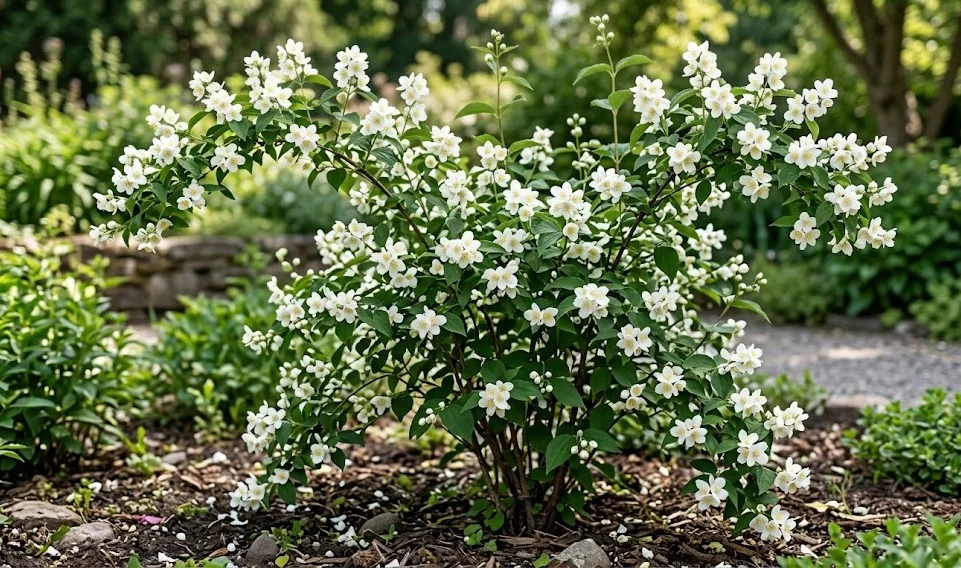

Preparing the mock orange for the winter months is a vital part of the annual gardening cycle, ensuring the plant returns with vigor in the spring. While this shrub is remarkably hardy and can withstand significant freezing temperatures, proper preparation reduces the risk of winter damage. Understanding the natural dormancy process allows you to provide the right support without over-intervening. A well-overwintered shrub is much more likely to produce an abundance of its signature fragrant blossoms during the following growing season.
Cold hardiness and natural dormancy
The mock orange is genetically equipped to handle the cold winters of temperate climates, often surviving temperatures well below freezing. As the days shorten and temperatures drop in the autumn, the plant begins to move its energy reserves into the roots and woody stems. This natural process involves thickening the cell walls and reducing the water content in the tissues to prevent frost damage. You can see this transition as the leaves turn yellow and eventually fall, leaving the shrub in its skeletal winter form.
Dormancy is a period of deep rest that is essential for the long-term health and flowering capacity of the shrub. During this time, the plant’s metabolic rate drops to near zero, and it stops all visible growth above the ground. This quiet phase allows the shrub to withstand the harsh conditions of winter without the risk of dehydrating its foliage. It is important not to disturb the plant during this time, as any forced growth could be easily killed by a sudden frost.
The thick bark of mature mock orange branches provides a natural layer of insulation against the biting winter winds. Younger plants, however, have thinner bark and may be more susceptible to temperature fluctuations and desiccation. If you have recently planted a new shrub, it will require a bit more attention during its first few winters. As the plant matures and its wood hardens, it becomes increasingly self-sufficient and resilient to the elements.
Understanding your local hardiness zone is the first step in knowing how much winter protection your shrub might need. Most varieties are hardy in zones four through eight, covering a wide range of winter conditions. If you live on the edge of its cold tolerance, you might need to be more proactive with protective measures like mulching or wrapping. Knowing the limits of your specific cultivar helps you plan a winter care routine that is tailored to your garden’s unique climate.
More articles on this topic
Root protection techniques
The root system is the most critical part of the plant to protect during the winter, as it remains active even when the top is dormant. Applying a thick layer of organic mulch around the base of the shrub is the best way to insulate the soil. This layer should be about three to four inches deep and extend out to the drip line of the branches. Mulch acts as a thermal blanket, preventing the ground from freezing and thawing rapidly, which can heave plants out of the soil.
Wood chips, straw, or shredded leaves are all excellent choices for winter mulching because they are breathable and effective insulators. Avoid using materials that mat down tightly, like whole maple leaves, as these can block air and water from reaching the soil. Make sure to keep the mulch a few inches away from the actual stem of the shrub to prevent rot and to discourage rodents. This simple task is perhaps the most effective thing you can do to ensure a healthy “wake-up” in the spring.
In regions with extremely cold winters and limited snow cover, the roots are at a much higher risk of damage from deep frost. Snow is actually a fantastic natural insulator, keeping the soil temperature much more stable than bare earth. If your area doesn’t get much snow, you might consider adding an even thicker layer of mulch or using evergreen boughs to trap what little snow does fall. This extra layer of protection can make the difference between a thriving shrub and one that suffers significant dieback.
Check the mulch layer periodically throughout the winter to ensure it hasn’t been blown away by wind or scattered by animals. You may need to top it up after a particularly stormy period to maintain the protective barrier. This is also a good time to look for any signs of vole or mice activity around the base of the plant. These small animals often seek shelter in the mulch and can cause significant damage by gnawing on the bark of the shrub.
More articles on this topic
Winter hydration and care
One of the leading causes of winter plant death is not actually the cold, but rather dehydration or “winter burn.” Even when dormant, plants continue to lose small amounts of moisture through their stems and buds, especially on sunny or windy days. If the ground is frozen solid, the roots cannot replace this lost water, leading to the desiccation of the plant’s tissues. Ensuring the plant is well-hydrated before the first hard freeze is a critical part of successful overwintering.
Give your mock orange a final, deep soaking in late autumn after the leaves have fallen but before the ground freezes. This provides the root system with a reservoir of moisture that it can draw upon during the early parts of the winter. Moist soil also holds heat better than dry soil, providing an additional layer of thermal protection for the roots. This late-season watering is particularly important if you have experienced a dry autumn with little natural rainfall.
During a mild winter with occasional thaws, you should check the moisture level of the soil under the mulch. If the ground is not frozen and feels dry to the touch several inches down, a light watering is beneficial. Use a bucket or a slow-running hose to deliver the water directly to the root zone without wetting the branches. This mid-winter hydration boost can prevent the plant from becoming overly stressed before the spring arrives.
Avoid the temptation to fertilize the mock orange during the late autumn or winter months. Fertilizer encourages new growth, which is exactly what you want to avoid as the plant enters its dormant phase. Any new, soft growth stimulated by late feeding will be extremely vulnerable to freezing and will almost certainly die. Wait until the following spring, when the danger of frost has passed, to resume your regular nutritional support program.
Spring transition and awakening
As the days begin to lengthen and the soil temperatures rise, your mock orange will naturally start to emerge from its winter sleep. You will first notice the buds swelling on the branches, followed by the appearance of the first green leaf tips. This is a delicate time, as a late-spring frost can damage the tender new growth and potentially kill the season’s flower buds. If a severe frost is predicted after the plant has started growing, consider covering it overnight with a light frost cloth.
Once the danger of hard frost has passed, you can begin to gradually remove the extra layers of winter mulch. Do not remove it all at once, as the soil underneath is still warming up and the roots need a bit of time to adjust. Leave a standard two-inch layer of mulch to help retain moisture and suppress weeds throughout the upcoming growing season. This transition period is the perfect time to inspect the shrub for any winter damage or broken branches.
Any stems that have died back during the winter should be pruned away once the new growth makes the dead wood obvious. Cut back to healthy, green tissue just above a outward-facing bud to encourage a good shape. This light “clean-up” pruning helps the plant focus its energy on the healthy parts of the structure. It also improves the overall appearance of the shrub as it prepares for its spectacular late-spring display.
Resuming your regular care routine of watering and feeding as the plant enters its active growth phase is the final step. A light application of balanced fertilizer in early spring provides the nutrients needed for the upcoming flush of foliage and flowers. With the challenges of winter behind it, your mock orange is now ready to reward your efforts with another year of beauty. Proper overwintering is a testament to the gardener’s foresight and the plant’s remarkable resilience.