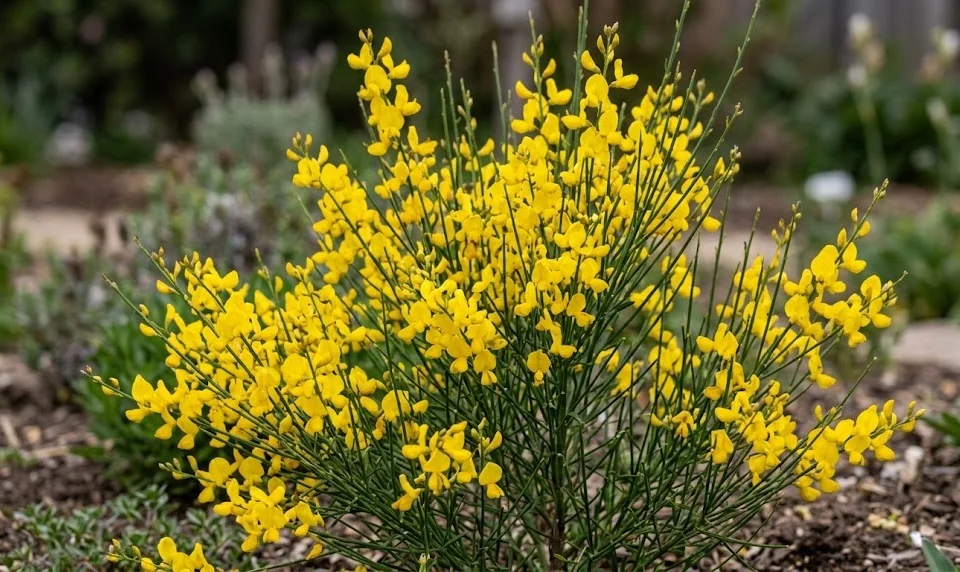

Preparing the Spanish broom for the cold months is a vital task that ensures its survival through the harshest winter weather. This Mediterranean native is surprisingly hardy, but it still requires some basic protection to handle sub-zero temperatures and frozen soils. The goal of overwintering is to minimize the stress on the plant’s tissues and protect the delicate root system from physical damage. A professional approach to winter care starts well before the first frost arrives in the garden.
Winter brings a unique set of challenges, including drying winds and the heavy weight of snow on the slender branches. While the plant is dormant, it is still losing moisture through its green stems, which can lead to desiccation if the ground is frozen solid. Managing the moisture levels and providing physical shelter in exposed locations can make a significant difference in the spring recovery. Observing the local microclimate allows for a more tailored and effective winter protection strategy for each individual shrub.
The transition into dormancy should be a natural process that is not interrupted by late-season growth stimulated by fertilizer or excessive water. Hardening off the tissues is the plant’s way of preparing its internal chemistry for the coming cold. Gardeners can support this process by gradually reducing the frequency of care as the autumn days become shorter. This professional restraint allows the plant to enter its rest period with the maximum amount of stored energy and structural resilience.
Human care during the winter involves regular checks on the physical stability of the shrub after major weather events. Clearing heavy snow from the branches and ensuring the mulch remains in place are simple but essential tasks. If the winter is exceptionally dry, a small amount of water on a mild day can prevent the roots from completely drying out. This consistent but low-impact attention ensures that the Spanish broom emerges from its winter sleep ready for a vigorous new season.
Understanding cold hardiness and limits
Spanish broom is generally considered hardy to temperatures as low as minus ten or twelve degrees Celsius once it is fully established. However, young plants and those in containers are much more vulnerable to the effects of freezing temperatures. The duration of the cold spell is often more important than the absolute minimum temperature reached during the night. A long, sustained freeze can penetrate deep into the soil and damage the roots even of a mature specimen.
More articles on this topic
The condition of the plant before winter begins also plays a major role in its ability to withstand the cold. A shrub that has been properly managed throughout the summer will have stronger cell walls and better sugar reserves to act as a natural antifreeze. Avoiding nitrogen-rich fertilizers in late summer is the best way to ensure the new growth has time to mature and harden. This professional timing is the foundation of a successful overwintering strategy for any Mediterranean species.
In regions that consistently experience temperatures below the plant’s natural limit, more intensive protection measures may be necessary. Planting in a sheltered spot against a south-facing wall can provide a significant boost in temperature through radiant heat. This microclimate can be the difference between a plant that thrives and one that suffers significant winter dieback. Understanding the specific USDA or RHS hardiness zones for your area is a vital part of the planning process.
Winter wind can be just as damaging as the cold by stripping moisture from the green stems when the roots cannot replace it. This process, known as winter burn, can cause the tips of the branches to turn brown and die back by the arrival of spring. Providing a temporary burlap screen or a natural windbreak of other evergreens can significantly reduce this risk in open, exposed gardens. Protecting the plant from the elements is about more than just temperature; it is about moisture management.
Root protection and mulching techniques
The root system is the most critical part of the plant to protect during the winter, as it is the foundation for all future growth. A thick layer of mulch around the base of the shrub acts as an insulating blanket that keeps the soil temperature more stable. This prevents the damaging cycle of freezing and thawing that can push young plants out of the ground through frost heaving. Using a material that provides good insulation without trapping excessive moisture against the bark is the ideal choice.
More articles on this topic
Gravel or crushed stone is an excellent winter mulch for Spanish broom because it mimics its natural rocky habitat. These inorganic materials do not hold onto water, reducing the risk of root rot during a wet winter. They also absorb heat from the sun during the day and release it slowly at night, providing a warmer environment for the root zone. A layer of about five to ten centimeters deep is usually sufficient to provide the necessary protection for the dormant shrub.
If you prefer to use organic mulch like bark or straw, it should be applied with caution to ensure it doesn’t touch the main woody stem. Keeping a small gap around the collar of the plant prevents moisture from being held against the bark, which could lead to decay. Organic mulches provide the added benefit of slowly improving the soil structure as they decompose over time. They are particularly useful in very sandy soils where they help maintain a more consistent soil environment throughout the winter.
In extremely cold years, an additional layer of dry leaves or straw can be piled over the crown of the plant for extra insulation. This should only be done temporarily during the coldest weeks and removed as soon as the temperatures begin to rise in early spring. This “heeling in” technique provides a dense layer of trapped air that protects the most sensitive parts of the plant from extreme frost. Monitoring the weather forecast allows you to apply and remove this extra protection at exactly the right moments.
Managing snow and physical winter damage
Heavy, wet snow can be a significant threat to the slender, upright structure of the Spanish broom. The branches can easily bend or snap under the weight, leading to permanent disfigurement or the loss of important flowering wood. After a major snowfall, it is a professional practice to gently brush the snow from the branches using a broom or your hands. Working from the bottom upward prevents the weight from accumulating on the lower branches as you clear the top.
Ice storms present a more difficult challenge because the ice cannot be easily removed without damaging the plant tissues. In these situations, it is often best to leave the ice to melt naturally rather than trying to break it off. Attempting to shake or hit frozen branches will almost certainly cause them to shatter like glass. If a branch does break, it should be pruned cleanly back to a healthy bud as soon as the weather permits to prevent infection.
If the shrub has a very open or splaying habit, you might consider loosely tying the main stems together with soft twine for the winter. This provides extra collective strength against the wind and helps the plant shed snow more effectively. The ties should be loose enough to allow some movement and should be removed promptly in the spring to avoid girdling the stems. This proactive structural support is a simple way to prevent common winter accidents in the garden.
Regular inspections during the winter allow you to catch and fix any physical issues before they become serious. You might find that the wind has shifted your mulch or that a temporary screen has become detached. Taking a few minutes to walk through the garden after a storm is a key part of professional maintenance. These small interventions ensure that the plant stays protected and stable until the arrival of the first warm days of spring.
Transitioning from winter to spring growth
The arrival of spring is a critical time as the plant begins to wake up from its dormant state and prepare for new growth. You should gradually remove any temporary winter protection like burlap screens or extra straw as the danger of severe frost passes. This allows the sunlight to reach the stems and warm up the soil around the base of the plant. Sudden exposure to intense sun after being covered for months can be stressful, so a staged removal is always best.
The first pruning of the year can take place once you are certain that the most extreme cold has ended. This is the time to remove any tips that have been killed back by winter wind or frost. Cutting back to a healthy, green bud will stimulate the plant to push out fresh growth for the coming flowering season. It also allows you to re-evaluate the shape of the shrub and make any necessary structural corrections after the winter.
If the winter was particularly dry, the plant will benefit from a deep watering as soon as the ground has completely thawed. This helps rehydrate the tissues and provides the moisture needed for the initial burst of spring energy. You might also consider a light application of a mineral fertilizer if the soil is exceptionally poor. However, the plant’s own nitrogen-fixing capabilities mean that this is often not necessary for an established and healthy specimen.
Observing the first signs of greening at the tips of the branches is a rewarding moment for any gardener. It is a sign that your overwintering efforts have been successful and the plant has survived the challenges of the cold. Consistent monitoring throughout the spring ensures that any late frosts do not damage the tender new growth. With the right foundation of winter care, your Spanish broom will be ready to produce its spectacular golden display once again.