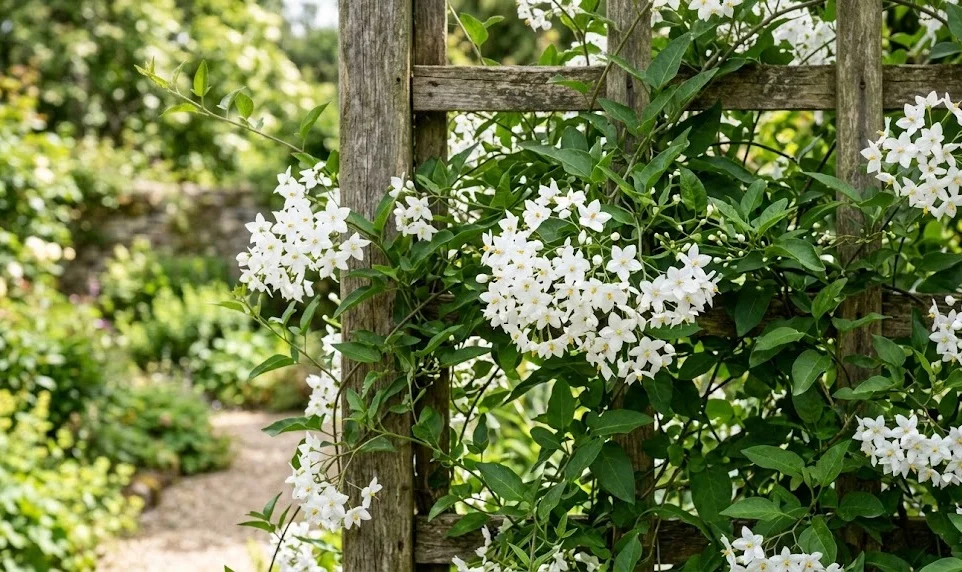

The jasmine nightshade is a stunning ornamental climber that adds a touch of elegance to any garden or balcony with its delicate white blossoms. Maintaining this plant requires a basic understanding of its subtropical origins and its vigorous growth habits throughout the summer months. You should focus on providing a stable environment where the vine can stretch and bloom without being hindered by poor conditions. Taking the time to observe the plant daily will help you identify its specific needs as it develops through the season.
A professional approach to gardening starts with acknowledging that every plant has a unique rhythm of growth. This specific vine is prized for its ability to cover fences and trellises quickly, but this vigor requires consistent attention. You need to ensure the plant has enough space to expand without suffocating nearby vegetation or structural elements. By establishing a routine, you can enjoy the lush foliage and the fragrance that makes this species so popular among enthusiasts.
The overall health of your climber is deeply connected to how well you manage its environment. Factors like humidity, airflow, and temperature play critical roles in keeping the foliage green and the blooms plentiful. You will notice that a well-cared-for plant resists stress much better than one left to fend for itself in harsh conditions. Consistency is the key to achieving that professional look seen in the most prestigious botanical displays across the continent.
Understanding the lifecycle of the vine allows you to intervene at the right moments for maximum impact. During the peak growing season, the plant will demand more from you in terms of monitoring and general upkeep. As the weather shifts, your strategy must also evolve to protect the delicate root system from extreme fluctuations. This guide will walk you through the essential steps to master the art of cultivating this beautiful jasmine-like nightshade.
Essential soil and nutrition management
The foundation of any healthy vine lies in the quality of the medium where its roots reside. You should aim for a well-draining soil mix that is rich in organic matter to provide a steady supply of energy. Standard garden soil often needs to be amended with compost or peat to achieve the perfect texture for root development. Ensuring the pH levels stay within a neutral to slightly acidic range will facilitate better nutrient uptake over time.
More articles on this topic
Nutrition is not just about adding fertilizer; it is about creating a balanced ecosystem within the pot or garden bed. You can use slow-release granules in the spring to give the plant a strong start as it wakes from dormancy. Throughout the summer, supplemental liquid feeding can help maintain the intensity of the flowering cycle. Always remember that over-fertilizing can lead to excessive leaf growth at the expense of those beautiful star-shaped flowers.
The structure of the soil also affects how oxygen reaches the roots, which is vital for preventing rot. You might consider adding perlite or coarse sand if you find that your soil stays too compacted after watering. Testing the moisture levels with your fingers is a simple yet effective way to judge if the soil structure is performing correctly. Healthy roots are the engine of the plant, and they deserve your full attention during the initial setup.
As the plant matures, the soil can become depleted of essential minerals and trace elements. Refreshing the top layer of soil every spring can introduce new life into a container-grown specimen. You should also watch for signs of salt buildup if you use mineral fertilizers exclusively over a long period. Flushing the soil with clean water occasionally can help maintain the delicate balance required for long-term vitality.
Creating effective support systems
Because this vine is naturally inclined to climb, providing a sturdy support structure is one of the most important care tasks. You can choose from various options like wooden lattices, metal wires, or even existing garden walls. The weight of the plant can become significant as it matures, so ensure your chosen structure is securely anchored. Properly guided stems will create a much more aesthetic display than a tangled mess of uncontrolled growth.
More articles on this topic
Training the young shoots early on will save you a lot of work as the plant grows larger. You can gently tie the stems to the support using soft twine or garden clips that do not bite into the bark. As the vine reaches upward, it will naturally find its way, but occasional guidance ensures even coverage of the surface. This proactive approach prevents the plant from becoming top-heavy or sagging under its own weight during heavy rains.
The spacing of your support also matters for the health of the foliage and the prevention of disease. Allowing enough air to circulate between the plant and the wall helps keep the leaves dry and reduces the risk of fungal infections. You should avoid crowding the stems too tightly together, as this can create pockets of stagnant air. A well-ventilated climber is a happy climber that will reward you with cleaner leaves and more vibrant flowers.
Maintenance of the support structure itself is a hidden but essential part of professional gardening. Every spring, check for any signs of rot in wooden supports or rust in metal ones that could compromise the plant. Replacing a trellis once the vine has fully engulfed it is a nightmare you want to avoid at all costs. Keeping the support in top shape ensures that your garden remains a safe and beautiful environment for years to come.
Adapting to seasonal changes
Your care routine must be flexible enough to accommodate the shifting needs of the plant as the seasons progress. In the spring, the focus should be on waking the plant up and encouraging new, vigorous growth. This is the time when you will see the most rapid development, and your intervention can set the tone for the entire year. Increasing water and light exposure gradually will prevent the plant from going into shock after its winter rest.
Summer is the period of peak performance, where the jasmine nightshade truly shows off its potential. During these hot months, the primary challenge is managing heat stress and keeping the plant hydrated without drowning it. You will find that the plant responds well to being kept in a bright location but may need some afternoon shade in extreme climates. Monitoring the color of the leaves will give you instant feedback on how well it is handling the sun.
As autumn approaches, the plant will naturally begin to slow down its metabolic processes. You should start reducing the frequency of fertilization to let the new wood harden off before the cold sets in. This transitional period is crucial for preparing the vine for the dormancy it needs to survive the winter. Ignoring these signals can result in tender growth that is easily damaged by the first frost of the season.
The winter months require a complete shift in mindset, moving from growth promotion to simple preservation. If you live in a region with freezing temperatures, you must have a plan for protection or relocation. The plant will not need much water or any fertilizer during this time, as its energy is focused inward. Respecting this natural cycle of rest is what separates an amateur gardener from a true professional expert.
Optimized location and environmental factors
Selecting the right spot for your plant is perhaps the single most influential decision you will make. This vine thrives in locations that receive plenty of bright, indirect light for the majority of the day. While it can handle some direct sun, the most intense midday rays might cause some stress to the delicate petals. A south-facing wall that receives morning sun and afternoon shade is often considered the gold standard for this species.
Airflow is another environmental factor that is frequently overlooked by many home gardeners. Positioning the plant in a spot where air can move freely helps to regulate temperature and dry out excess moisture. However, you should avoid areas that are subject to harsh, drying winds that can tatter the leaves. A balanced microclimate will result in a much more resilient plant that maintains its beauty regardless of minor weather shifts.
The proximity of other plants can also affect the growth patterns and health of your jasmine nightshade. You want to avoid placing it too close to aggressive species that might compete for the same nutrients and water. On the other hand, planting it near complementary species can help create a more stable humidity level around the foliage. Think of your garden as a community where every member should have the space it needs to thrive.
Temperature stability is the final piece of the environmental puzzle you need to solve. Sudden drops in temperature can be particularly damaging to the young shoots in the early spring. If you have the plant in a pot, you have the advantage of being able to move it to a more sheltered spot. For those planted in the ground, using mulch or temporary covers can provide that extra layer of security during unpredictable weather.
Container gardening vs ground planting
Growing this vine in a container offers a level of flexibility that ground planting simply cannot match. You can move the pot to follow the sun or hide it from harsh storms when necessary. However, container plants rely entirely on you for their water and nutritional needs since their roots are confined. Choosing a large enough pot is essential to ensure the root system has enough room to support a large vine.
Ground planting allows the jasmine nightshade to reach its full size and potential more easily. The roots can search deep into the soil for moisture, making the plant more drought-tolerant once it is established. You will find that ground-grown plants often have thicker stems and a more robust overall structure. The trade-off is that you cannot move the plant, so your initial choice of location must be absolutely perfect.
The choice between these two methods often depends on your climate and the space you have available. In colder regions, keeping the plant in a pot is almost a necessity for successful overwintering indoors. If you live in a mild climate, ground planting can create a permanent architectural feature that grows more beautiful every year. Evaluate your long-term goals for the garden before committing to one method or the other.
Regardless of the method you choose, the quality of the start you give the plant is what matters most. For containers, use high-quality potting mix and ensure there are plenty of drainage holes at the bottom. For ground planting, dig a hole twice as wide as the root ball and backfill with enriched soil to encourage outward root growth. Both methods can yield spectacular results if you follow the core principles of professional plant care.
Monitoring and responding to plant signals
A professional gardener is always “listening” to what the plant is trying to communicate through its appearance. Yellowing leaves can be a sign of many things, from nutrient deficiencies to simple overwatering issues. You should examine the underside of the leaves regularly to catch any early signs of trouble before they become major problems. Being proactive means you can solve issues with minor adjustments rather than drastic measures.
The way the vine holds its leaves can also tell you a lot about its internal hydration levels. If the leaves look limp and lose their shine, the plant is likely struggling to keep up with the evaporation rate. On the other hand, crisp or brown edges might indicate that the air is too dry or the sun is too intense. Learning these visual cues will make you a much more effective caretaker and ensure the plant’s longevity.
Flowering patterns are another great indicator of the overall health and happiness of your jasmine nightshade. A sudden drop in bud production usually suggests that the plant is lacking either light or specific nutrients like phosphorus. You might also notice that the flowers are smaller than usual if the plant is under stress. By paying attention to these details, you can fine-tune your care routine to keep the plant in peak condition.
Finally, keep an eye on the growth rate of the new shoots during the spring and summer. Healthy growth should be steady and the new stems should feel flexible yet strong. If the growth seems stunted or the new leaves are abnormally small, it is time to reassess your fertilization and watering schedule. Consistency in monitoring is the most powerful tool in your gardening arsenal for maintaining professional standards.
Long term health and plant longevity
Ensuring that your jasmine nightshade remains healthy for many years requires a focus on sustainable care practices. You should avoid the temptation of using “quick fix” chemicals that might provide a temporary boost but harm the soil in the long run. Instead, focus on building a strong immune system in the plant through proper nutrition and environmental management. A naturally resilient plant will always outperform one that is constantly dependent on artificial interventions.
Periodically thinning out the older wood can help rejuvenate the vine and keep it looking youthful. This allows more light and air to reach the center of the plant, which prevents the inner branches from becoming bare. You will find that this practice encourages the plant to produce more flowers on the fresh, new growth. It is a long-term strategy that keeps the climber looking its best decade after decade.
The relationship you build with your plant over time will allow you to anticipate its needs before they become urgent. You will eventually know exactly when it needs a drink or when the weather is about to become too much for it. This level of expertise comes from experience and a genuine passion for the art of horticulture. Enjoying the process of care is just as important as enjoying the final beauty of the blooms.
In conclusion, the jasmine nightshade is a rewarding plant that pays back your effort with incredible visual interest. By following professional guidelines and staying attentive to the plant’s needs, you can create a masterpiece in your own backyard. Whether you are a seasoned expert or just starting your journey, this vine offers endless opportunities for learning. May your garden always be a place of growth, beauty, and professional excellence.