
Preparing your ornamental grasses for the coldest months of the year is a crucial step in ensuring they return with vigor in the spring. While many varieties are quite hardy, the combination of freezing temperatures and winter moisture can pose a significant threat to the plant’s crown. You should develop a strategy that protects the vital underground parts of the plant while still allowing for some winter interest in the landscape. By taking a few simple precautions, you can help your grasses survive even the most challenging winter conditions with ease.
Cold hardiness and preparation
Understanding the specific hardiness zone of your cultivar is the first step in planning for a successful winter season. You should research the temperature limits of your plants to determine if they need extra protection based on your local climate forecasts. Some varieties are naturally more resilient to deep freezes, while others may require a bit of help to make it through the darkest months. Knowing what to expect allows you to be prepared with the right materials and techniques before the first frost arrives.
In the late autumn, you should stop any fertilization and gradually reduce your watering to help the plant transition into its dormant state. The goal is to allow the stems and leaves to dry out naturally as the chlorophyll recedes, turning the plant into a beautiful shades of straw and gold. This drying process is a natural part of the plant’s preparation for winter and helps protect the internal tissues from ice damage. You should resist the urge to cut the grass back too early, as the standing foliage provides a natural layer of insulation for the crown.
Cleaning the area around the base of the plant is another important pre-winter task that helps prevent issues with rot and pests. You should remove any fallen leaves from other trees or debris that might trap excessive moisture against the stems of the grass. A clean base allows for better airflow during the damp winter months and reduces the chances of fungal pathogens surviving until the spring. Taking a few minutes for this cleanup ensures that your plant has the best possible start when the weather begins to warm up again.
If you live in an area with very early or severe frosts, you might consider applying a fresh layer of mulch to the root zone in the late autumn. You should use a breathable material like straw or bark chips that will insulate the soil without trapping too much water. This extra layer acts as a thermal blanket, slowing down the rate at which the ground freezes and thaws throughout the winter. A stable soil temperature is much easier on the roots and prevents the damaging effects of “frost heaving” that can push plants out of the earth.
More articles on this topic
Winter protection methods
One of the most effective ways to protect the center of a large clump of grass is to tie the standing stems together into a bundle. You should use soft garden twine to wrap the foliage about midway up the plant, creating a “tepee” shape that sheds snow and rain. This prevents heavy snow from accumulating in the center of the crown, which can cause the stems to splay outward and allow ice to form deep within the plant. Bundling also keeps the garden looking neat and tidy even when the wind is blowing strongly during a winter storm.
For younger or more sensitive plants, you can create a temporary protective cage using wire mesh and fill it with dry leaves or straw. You should place this cage around the plant and ensure the insulating material is loosely packed so that some air can still circulate through it. This method provides a much higher level of insulation for the crown and is especially useful for cultivars that are at the edge of their hardiness zone. You can remove the cage in the early spring as soon as the danger of deep freezes has passed for the season.
In areas with extreme wind, you might need to provide a windbreak to prevent the dormant foliage from being shredded or desiccated. You should consider using burlap screens or even placing the plants behind more established evergreen shrubs that offer year-round protection. Wind can be surprisingly damaging in the winter because it pulls moisture out of the plant even when it is dormant, leading to “winter burn.” A little bit of physical protection can make a huge difference in how the plant looks and performs the following year.
Always monitor the condition of your winter protection throughout the season to ensure it hasn’t been disturbed by animals or heavy weather. You should check that the twine is still secure and that the mulch hasn’t washed away after a winter rainstorm. If you notice any problems, you can quickly make adjustments to keep the plant safe until the spring arrival. Being proactive throughout the winter months ensures that you won’t be met with any unpleasant surprises when the gardening season officially begins again.
More articles on this topic
Handling moisture in winter
The combination of cold temperatures and excessive moisture is often more dangerous for ornamental grasses than the cold alone. You should ensure that your planting site has excellent drainage so that melting snow and winter rain do not sit around the roots for long periods. Standing water can cause the dormant crown to rot, which will prevent the plant from waking up in the spring regardless of how much you protected it from the cold. Good drainage is the most important factor in the successful overwintering of almost all grass species.
If your garden has heavy clay soil, you might consider planting your grasses on a slight mound to encourage water to run away from the center. You should also avoid placing winter mulch directly against the stems, as this can hold dampness in a way that encourages fungal growth. Leave a small gap of an inch or two between the mulch and the base of the plant to allow for essential air circulation. This simple technique is very effective at keeping the most sensitive parts of the plant dry and healthy.
During a mid-winter thaw, you should resist the temptation to start working in the garden or removing protective layers too early. The fluctuating temperatures of a thaw-freeze cycle can be very stressful for plants, and keeping the protection in place helps moderate these changes. You should only remove the extra insulation once the ground has stayed thawed for several days and the long-term forecast is favorable. Patience is a virtue in the winter garden and often leads to much better results than rushing the process.
If you experience a particularly dry winter with very little snow or rain, you might actually need to provide a small amount of water to the roots. You should only do this on a day when the temperature is above freezing and the ground is not completely frozen solid. A light watering helps prevent the roots from drying out completely, which is a common but often overlooked cause of winter death in ornamental plants. Maintaining a baseline of moisture in the soil is a delicate balance that requires careful observation of your local conditions.
Transitioning into spring
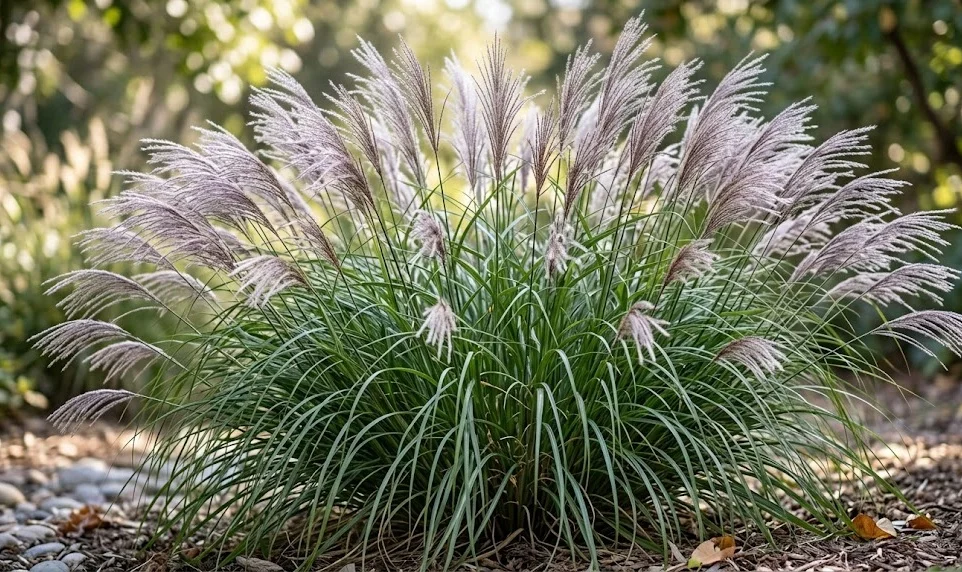
The end of winter is a time of great anticipation for any gardener, and your japanese silver grass is no exception. You should watch for the first signs of warming soil and increasing day length, which signal the plant to begin its new growth cycle. This is the perfect time to remove any winter bundles or protective cages and assess how well the plant made it through the cold. You should see firm, healthy buds at the base of the plant, which are the promise of the beautiful foliage to come.
Once the danger of the hardest freezes has passed, you can perform the annual task of cutting back the old foliage to make room for the new. You should use sharp shears or a hedge trimmer to cut the stems down to about six inches above the ground, being careful not to damage the emerging green shoots. This “clean slate” approach allows the new growth to receive plenty of light and air, ensuring a healthy start to the season. Removing the old material also gives the garden a fresh, revitalized look for the spring.
As you clean up the old stems, you should be careful not to disturb the root zone too much while the soil is still wet and prone to compaction. You can take this opportunity to refresh the mulch and apply a light application of slow-release fertilizer if your soil needs a boost. This early season care sets the stage for the rapid growth that will occur as the temperatures continue to rise in the coming weeks. Your attentiveness during this transition phase is the final step in a successful overwintering program.
Finally, take a moment to reflect on what worked well during the winter and what you might want to change for next year. You should note which protection methods were most effective and if any of your plants struggled more than others in their specific locations. This ongoing learning process is what makes you a more skilled and successful gardener with each passing season. With a little bit of care and foresight, your japanese silver grass will continue to be a highlight of your garden for many years to come.