
The art of pruning is a vital tool for maintaining the shape, health, and vigor of many garden perennials. While the Japanese stonecrop is a low-maintenance plant that doesn’t require constant attention, a few well-timed cuts can significantly improve its appearance. Knowing when and how to remove old growth or spent flowers is key to keeping this succulent looking its professional best. This article provides a comprehensive guide to the best practices for pruning and cutting back this versatile and hardy species.
Timing for pruning and maintenance
The most significant pruning task for the Japanese stonecrop usually occurs in the early spring, just as the new growth begins to emerge. At this time, you should remove all the dead, dried stems from the previous year to make room for the fresh, succulent shoots. Because the plant is deciduous and dies back to the ground in winter, these old stems are no longer functional and only serve to clutter the plant’s base. Clearing them away early ensures that the new growth has access to maximum light and air from the very beginning.
During the active growing season, you may find that some stems have become damaged by weather, pests, or accidental foot traffic. It is perfectly fine to snip these damaged sections away at any time to keep the plant looking tidy and to prevent the entry of disease. Always use a clean, sharp pair of scissors or garden pruners to make a clean cut, which heals more quickly than a jagged tear. Regular “grooming” of this sort is a quick task that keeps your stonecrop looking intentional and well-cared-for throughout the summer.
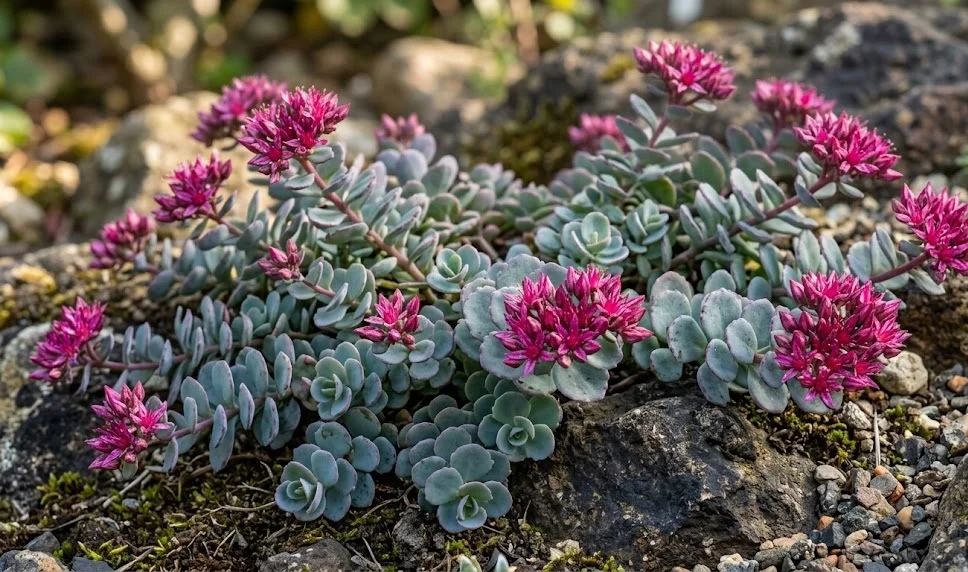
In the late summer or early autumn, the plant will produce its beautiful clusters of pink flowers that can last for several weeks. Once the flowers have finally faded and turned brown, some gardeners prefer to remove the spent flower heads, a process known as deadheading. While this is not strictly necessary for the health of the plant, it can create a cleaner look and prevent the plant from putting energy into seed production. However, leaving the dried flower heads can also provide some winter interest and food for small birds.
Late autumn is generally not a good time for heavy pruning, as the plant is preparing to enter its dormant state. Cutting back live tissue late in the season can sometimes stimulate new growth that won’t have time to harden off before the first frost. It is better to let the foliage die back naturally and wait until the following spring to do your major cleanup. This patient approach respects the natural cycle of the plant and ensures its long-term survival in your garden.
More articles on this topic
Techniques for shaping and rejuvenation
If your Japanese stonecrop has become too sprawling or is starting to look sparse in the center, you can use pruning to encourage a more compact shape. You can “pinch back” the growing tips of the stems in the late spring or early summer to stimulate lateral branching. This results in a fuller, bushier plant with more stems and, ultimately, more flowers later in the season. Simply use your fingers or a small pair of snips to remove the top inch or two of the soft, new growth.
For older plants that have become woody or unattractive, a more drastic rejuvenation pruning may be necessary every few years. This involves cutting the entire plant back to within an inch or two of the ground in the early spring. While it may seem harsh, this technique stimulates a flush of brand-new, vigorous growth from the base of the crown. It is the best way to hit the “reset button” on a plant that has lost its aesthetic appeal over time.
When pruning, always consider the natural trailing habit of this particular variety and try to work with its form rather than against it. If you are growing it over a wall, for example, you may want to leave the longest stems to cascade down while thinning out the shorter ones. This selective pruning allows you to tailor the plant’s appearance to its specific location in your landscape. Every cut should have a purpose, whether it is for health, shape, or size control.
Always ensure that your pruning tools are sanitized before and after use, especially if you are working on multiple plants. This simple step is one of the best ways to prevent the accidental spread of fungal or viral diseases throughout your garden. A quick wipe with a cloth soaked in rubbing alcohol is all it takes to keep your tools professional and safe. Good technique and clean tools are the hallmarks of a skilled gardener who cares about the longevity of their plants.
More articles on this topic
Benefits of cutting back
One of the primary benefits of regular pruning is the improvement of air circulation within the plant’s foliage mat. By removing dead or overcrowded stems, you allow air to move more freely, which helps to keep the leaves dry and reduces the risk of fungal infections. This is particularly important in humid climates where stagnant air can quickly lead to problems with mold or rot. A well-pruned plant is a healthier plant that can better resist the stresses of the growing season.
Pruning also helps to direct the plant’s energy toward the most productive and attractive parts of the growth. By removing weak or spindly stems, you ensure that the roots’ resources are used to support strong, vibrant foliage and large flower clusters. This results in a more impressive floral display and a plant that looks more robust and resilient. It is a way of “editing” the plant to highlight its best features while minimizing its weaknesses.
The aesthetic benefits of pruning should not be underestimated, as a well-maintained stonecrop adds a sense of order and professionalism to the garden. Removing dead material and shaping the plant ensures that it complements the surrounding landscape rather than looking like a neglected weed. This attention to detail is what separates a truly beautiful garden from one that is merely functional. Your Japanese stonecrop will respond to your care by looking its absolute best from spring through to the final blooms of autumn.
Finally, pruning can be a great way to obtain materials for propagation and expanding your garden collection. Many of the stems you cut away during the spring or summer can be easily rooted to create new plants. This turns a routine maintenance task into an opportunity for growth and sharing with others. By mastering the simple techniques of pruning and cutting back, you take full control of the health and beauty of your Japanese stonecrop.
Managing the pruning waste
Once you have finished your pruning tasks, it is important to manage the resulting plant waste in a responsible manner. Healthy, green trimmings can be added to your compost pile, where they will break down and provide nutrients for future garden projects. However, you should never compost any plant material that shows signs of disease or pest infestation. These issues can survive the composting process and be reintroduced to your garden when you apply the finished compost later on.
Dried stems from the spring cleanup are often very carbon-rich and make a great addition to the “brown” layer of your compost heap. If you have a large amount of woody waste, you might consider shredding it first to speed up the decomposition process. Alternatively, some gardeners use the dried stems as a light mulch in other parts of the garden to help suppress weeds. Finding creative ways to recycle your garden waste is a key part of sustainable and professional landscaping.
If you are dealing with diseased material, the best course of action is to dispose of it in your municipal green waste bin or to burn it if local regulations allow. This ensures that the pathogens are completely removed from your property and cannot infect your other plants. Keeping your garden clean and free of diseased debris is a fundamental rule of good horticultural hygiene. It is worth the extra effort to protect the long-term health of your entire outdoor space.
In summary, pruning the Japanese stonecrop is a simple yet powerful way to enhance its beauty and ensure its continued health. By timing your cuts correctly and using the right techniques, you can guide the plant’s growth and enjoy its stunning foliage and flowers to the fullest. Whether you are doing a major spring cleanup or just a quick summer grooming, your efforts will be rewarded with a more vibrant and resilient garden. Pruning is a conversation between the gardener and the plant, and this stonecrop is always ready to respond.