
Establishing a consistent maintenance routine for this versatile evergreen shrub is essential for ensuring its long-term health and vibrant appearance. Many gardeners appreciate the plant for its low-maintenance nature, yet it still requires specific attention to thrive throughout the changing seasons. By understanding the fundamental needs of the plant, you can create an environment where it becomes a focal point of your garden landscape. Proper care involves a balance of monitoring environmental conditions and performing regular physical checks on the foliage and stem structure.
General environmental adaptations for the shrub are quite flexible, allowing it to fit into various garden styles. It can tolerate a range of soil types provided they are well-draining, as stagnant water is a primary enemy of the root system. You should observe how the plant reacts to your local microclimate during the first year of growth to adjust your care routine. Consistent observation helps in identifying any stress factors before they become significant problems for the overall health of the specimen.
Soil quality plays a pivotal role in the ongoing vitality of the plant and should not be overlooked after the initial planting phase. While the shrub is relatively hardy, it prefers slightly acidic to neutral soil conditions for optimal nutrient uptake. You can maintain this balance by adding organic matter or specialized mulch to the base of the plant periodically. This practice not only improves soil structure but also supports the beneficial microbial life that keeps the root environment healthy.
Monitoring the growth rate provides valuable insights into whether the current care regimen is meeting the plant’s biological requirements. If you notice stunted growth or a lack of new shoots during the spring, it may indicate a need for a change in its surrounding conditions. Conversely, overly rapid, leggy growth might suggest that the plant is receiving too much nitrogen or insufficient light. Maintaining a steady, moderate growth pace ensures the shrub remains dense and aesthetically pleasing for years to come.
Understanding the soil environment
The foundation of a healthy shrub begins with the physical and chemical properties of the ground it occupies. Ensuring that the soil is loose and crumbly allows the roots to penetrate deeply and establish a strong anchoring system. If your garden has heavy clay, you must incorporate sand or compost to prevent compaction around the delicate root hairs. A well-structured soil environment facilitates the necessary gas exchange that roots require to function effectively.
More articles on this topic
Nutrient availability within the soil profile directly influences the color intensity of the foliage, which is a hallmark of this species. You should test the soil pH occasionally to ensure it remains within the preferred range of 5.5 to 7.0 for the best results. If the soil becomes too alkaline, the plant may suffer from iron chlorosis, leading to yellowing leaves and reduced vigor. Applying elemental sulfur or peat moss can help lower the pH if your test results indicate a shift toward alkalinity.
Microbial activity is an often-ignored aspect of soil health that significantly impacts the plant’s ability to resist environmental stressors. Organic mulches provide a steady source of food for these beneficial organisms as they decompose over time. By fostering a diverse soil microbiome, you create a natural defense system that helps the plant access minerals more efficiently. Avoid using harsh chemical treatments that can strip the soil of these vital living components and disrupt the natural balance.
Drainage capability is perhaps the most critical physical attribute of the soil for this specific shrub species. You can test the drainage by digging a small hole and filling it with water to see how quickly it disappears. If the water lingers for more than an hour, you may need to install drainage tiles or elevate the planting bed. Proper drainage prevents the onset of root rot, which is a common and often fatal issue for plants in waterlogged environments.
Seasonal transition management
As the seasons change, the requirements for the shrub shift to accommodate varying temperatures and light levels. Spring is a time of renewed energy where the plant focuses on developing new leaves and preparing for its flowering stage. You should clear away any debris or fallen leaves from the base of the plant to prevent the buildup of pathogens. This cleanup phase also allows you to inspect the lower stems for any signs of winter damage or pest activity.
More articles on this topic
The heat of summer presents a different set of challenges that require a focus on moisture retention and heat protection. You may need to increase the thickness of the mulch layer to keep the root zone cool and hydrated during extreme temperature spikes. Monitoring the plant for signs of wilting during the afternoon is a good way to gauge its immediate water needs. Providing a bit of temporary shade during the hottest part of the day can also prevent leaf scorch in younger specimens.
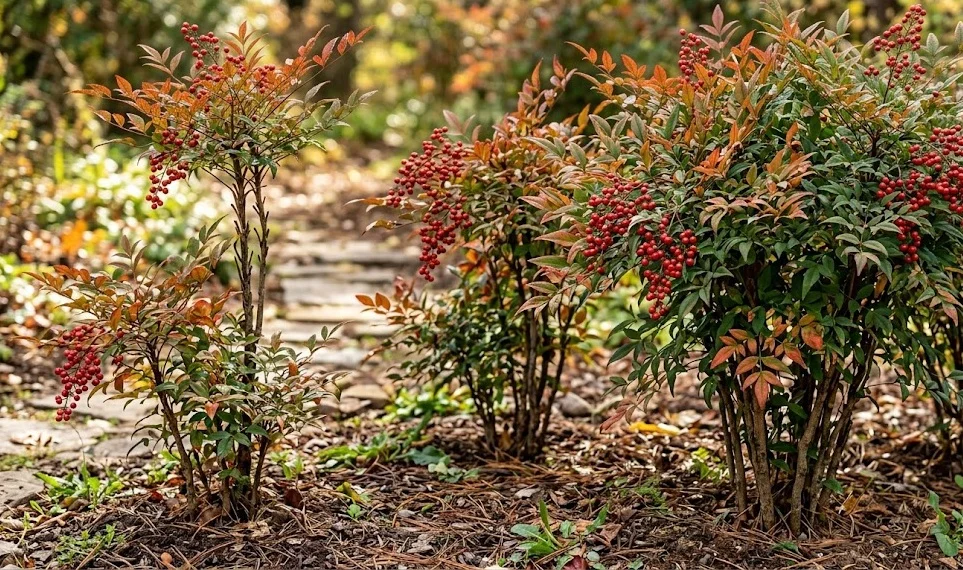
Autumn is the period when the foliage begins to transform into the brilliant reds and purples that make this plant so famous. During this time, the plant starts to slow its metabolic processes in preparation for the upcoming colder months. You should avoid heavy nitrogen applications during the fall to prevent the growth of tender new shoots that could be damaged by frost. Focus instead on ensuring the plant is well-hydrated before the ground begins to freeze for the winter season.
Winter care is primarily about protection from physical damage and extreme desiccation caused by cold winds. Even though the plant is evergreen, it can lose moisture through its leaves faster than the frozen roots can replace it. You can use burlap screens or windbreaks to shield the shrub if it is planted in a particularly exposed location. Checking the integrity of the branches after heavy snowfall is also important to prevent limb breakage from the weight of the ice.
Foliage health and aesthetics
The visual appeal of the shrub is largely dependent on the health and density of its unique leaf structure. Healthy leaves should feel firm to the touch and exhibit a glossy sheen that reflects the light beautifully. If the foliage appears dull or starts to drop prematurely, it is often a sign of underlying environmental stress or nutrient deficiency. Keeping the leaves clean by occasionally rinsing them with a gentle spray of water can also improve their appearance and photosynthetic efficiency.
Color development is a complex biological process influenced by temperature fluctuations and light intensity throughout the year. To achieve the most vivid colors, the plant needs a certain amount of exposure to cooler temperatures without being subjected to damaging freezes. You will find that specimens planted in areas with high light levels often produce more dramatic color shifts than those in deep shade. Understanding this relationship allows you to manage expectations for the plant’s appearance based on its specific location.
Dense foliage provides the best aesthetic impact and also serves as a protective layer for the inner stems of the shrub. You can encourage a fuller look by ensuring that light can reach the interior of the plant through proper thinning techniques. If the shrub becomes too thin at the base, it may indicate that the upper canopy is blocking too much light from reaching the lower sections. Maintaining a balanced shape through light maintenance ensures the plant remains attractive from all viewing angles.
Leaf spots or discolorations can detract from the overall beauty of the plant and may signal a need for intervention. You should regularly scan the foliage for any unusual markings, such as brown tips or circular fungal spots. Removing affected leaves as soon as they appear can prevent the spread of localized issues to the rest of the shrub. Consistent monitoring is the best way to ensure that the foliage remains the stunning highlight of your garden display.
Root system development
The strength of the plant above the ground is a direct reflection of the health of the root system hidden beneath the surface. Deep, expansive roots allow the shrub to access water and nutrients from a larger volume of soil, increasing its overall resilience. You can encourage deep rooting by practicing deep, infrequent watering rather than light, daily sprinkling. This approach forces the roots to grow downward in search of moisture, resulting in a more stable and drought-tolerant plant.
Avoiding root disturbance is crucial once the plant has become established in its permanent location in the garden. Cultivating the soil too deeply around the base of the shrub can sever the fine feeder roots that are essential for nutrient uptake. It is better to use a layer of mulch to control weeds rather than mechanical hoeing or pulling near the trunk. If you must plant companion species nearby, choose those with shallow root systems that will not compete aggressively for resources.
Root oxygenation is just as important as hydration for the long-term survival of the shrub in various soil types. Soil that is too packed or clay-heavy can suffocate the roots by preventing the movement of air through the pore spaces. You can alleviate this by occasionally aerating the area around the drip line with a garden fork. This simple action helps to break up surface crusting and allows oxygen to reach the deeper layers of the root zone.
Transplant shock can be minimized by ensuring that the root ball remains intact and hydrated during any movement. If you find it necessary to relocate the plant, do so during the dormant season to reduce the stress on the vascular system. Preparing the new hole with similar soil conditions will help the roots transition more smoothly to their new environment. Giving the roots a head start with a root-stimulating solution can also speed up the establishment process in the new site.
Integrated maintenance strategies
Combining different aspects of care into a cohesive strategy ensures that no part of the plant’s needs is overlooked. You should create a simple calendar of tasks to help you remember when to mulch, fertilize, or inspect for pests. This organized approach takes the guesswork out of gardening and leads to more consistent results over time. Sharing these maintenance duties with other household members can also make the process more enjoyable and less of a chore.
Observation is the most powerful tool in your maintenance arsenal, as it allows you to catch subtle changes in the plant’s condition. Spending just a few minutes each week looking closely at the stems and leaves can save you hours of work later on. You might notice the early stages of a pest infestation or the first signs of a nutrient lack that can be easily corrected. Learning the normal appearance of your specific variety is the first step in becoming a successful plant guardian.
Documentation can be a helpful way to track the progress of your shrub and the effectiveness of different care methods. Keeping a small journal of when you watered, what fertilizers you used, and how the plant responded provides a valuable reference for future years. You can also take photos to compare the growth and color changes from one season to the next. Over time, this record becomes a personalized guide that is perfectly tailored to your specific garden conditions.
Community knowledge is another great resource for improving your care techniques for this particular species. Talking to local nursery experts or joining a gardening club can provide insights into how the plant performs in your specific region. You may discover regional tips for managing local pests or adjusting to unique weather patterns that are not covered in general guides. Engaging with other gardeners fosters a sense of shared learning and helps you refine your horticultural skills.
Long-term vitality and longevity
The ultimate goal of a care routine is to ensure the shrub remains a healthy and beautiful part of the landscape for decades. This species is known for its longevity when its basic needs are met and it is protected from extreme environmental shocks. You should view the care process as a long-term investment in the beauty and value of your outdoor living space. With age, the plant develops a character and structural complexity that makes it even more attractive than younger specimens.
Rejuvenation may be necessary as the plant reaches a certain age and its growth naturally begins to slow down. You can stimulate new vigor by occasionally removing some of the oldest stems to make room for fresh, productive growth. This process keeps the shrub looking young and prevents it from becoming overly woody or sparse in the center. Knowing when to step in with a more aggressive intervention is part of the art of long-term plant management.
Adapting to climate changes or shifts in the local environment is an ongoing part of the care process for any perennial. You may find that as your garden matures, the light levels or wind patterns around the shrub change significantly. Being willing to adjust your care routine to these new realities is essential for maintaining the plant’s health. Flexibility and a willingness to learn are the traits of a truly expert gardener who can navigate any challenge.
Final success is measured by the joy and beauty the plant brings to your garden throughout the entire year. When you see the vibrant red berries against the winter snow or the lush green leaves of summer, you will know your efforts were worth it. The bond between a gardener and a well-cared-for plant is a rewarding experience that enriches the soul and the environment. By following these expert guidelines, you can ensure that your heavenly bamboo remains a testament to your horticultural dedication.