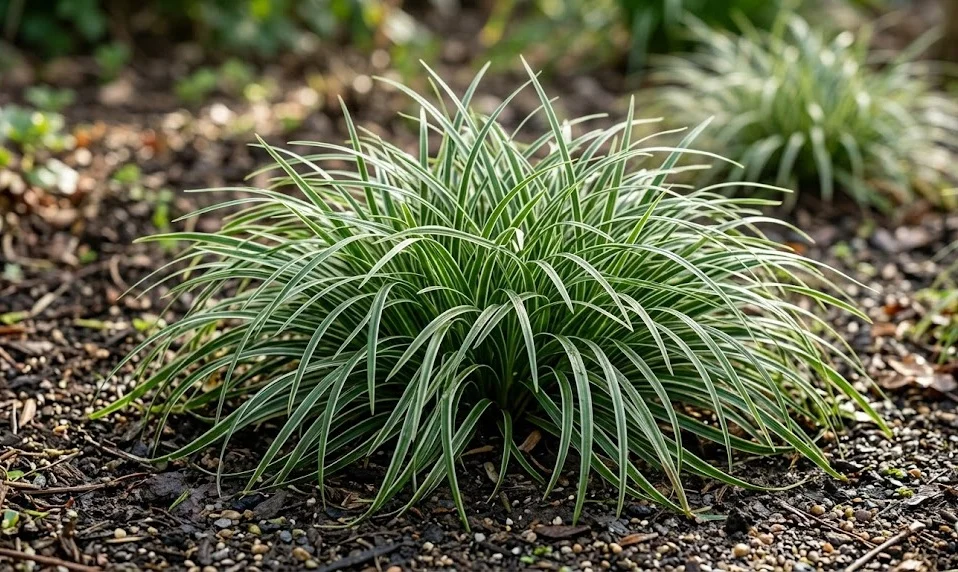

Overwintering japanese sedge is a straightforward task because the plant is naturally adapted to the cold temperate climates where it originated. As an evergreen species, it maintains its foliage throughout the winter months, providing valuable color and structure when most other plants have gone dormant. You do not need to perform any drastic actions to keep it alive, but a few simple protective measures can ensure it looks its best when spring arrives. Understanding how the plant interacts with the cold will help you manage its transition through the year’s harshest season.
The primary concern during the winter is not necessarily the low temperature itself, but the physical effects of wind, snow, and frozen soil. Japanese sedge is generally hardy to USDA zones 5 through 9, meaning it can withstand significant freezing without losing its vitality. However, the leaves can still suffer from “winter burn” if they are exposed to dry, freezing winds while the ground is frozen solid. You should take steps to protect the foliage from these drying conditions to preserve the plant’s ornamental appearance until the new growth begins.
Moisture management remains important during the winter, although the plant’s needs are significantly reduced compared to the summer months. You should ensure that the soil remains moist but never waterlogged as the temperatures begin to drop in late autumn. Wet, heavy soil that freezes and thaws repeatedly can damage the root system and may lead to the crown rot discussed in previous chapters. Proper drainage is the best defense against winter-related root issues, so make sure your planting site allows water to move away freely.
As the days grow shorter, the plant’s metabolic processes slow down, and it enters a period of semi-dormancy where growth effectively stops. You will notice that the color of the leaves may become slightly muted or take on a darker hue as the plant adjusts its internal chemistry for the cold. This is a natural protective response and should not be a cause for concern as long as the tissue remains firm. By following a consistent winter care routine, you can help your sedge navigate the cold and emerge in excellent condition for the coming year.
Protective measures for the winter months
The most effective way to protect your japanese sedge from the winter elements is to apply a fresh layer of organic mulch in the late autumn. You should aim for a thickness of about five to seven centimeters, spreading it evenly across the entire root zone of the plant. This layer of mulch acts as an insulator, keeping the soil temperature more stable and preventing the damaging effects of soil heaving. It also helps to retain the moisture that is present in the ground, providing a buffer against the drying effects of frozen air.
More articles on this topic
If you live in an area with particularly harsh winter winds, you might consider providing some temporary physical protection for the most exposed plants. A simple screen made of burlap or a few evergreen branches placed around the sedge can break the force of the wind and reduce the rate of transpiration from the leaves. This is especially helpful for young plants or those that were recently divided and have not yet established a deep root system. You should remove these barriers as soon as the weather begins to moderate in early spring to allow for better air circulation.
Snow can be both a benefit and a burden for the japanese sedge, depending on the volume and the consistency of the snowfall. A light, fluffy layer of snow acts as a fantastic insulator, protecting the foliage from the coldest temperatures and keeping the soil from freezing deeply. However, heavy or wet snow can weigh down the arching leaves and cause the clump to splay open or even break under the pressure. You should gently brush away excessive snow accumulation with your hands or a soft broom to prevent any physical damage to the plant’s structure.
Avoid the temptation to prune or cut back the sedge in the late autumn or early winter, as the old foliage provides essential protection for the crown. The leaves act as a natural blanket, shielding the sensitive growing points from the direct impact of frost and ice. If you remove the leaves too early, you expose the center of the plant to the elements, which can lead to significant damage or even death in severe winters. Save all your major cleanup and trimming tasks for the early spring when the danger of hard freezes has finally passed.
Container care during the cold season
Japanese sedge grown in containers requires more attention during the winter because the roots are more exposed to the cold than those in the ground. The limited volume of soil in a pot can freeze much more quickly and deeply, which can be fatal for the plant if the temperature drops too low. You should consider moving your potted sedges to a more sheltered location, such as a covered porch or near the foundation of your house. These spots usually stay a few degrees warmer and offer protection from the most severe winter weather and freezing rains.
More articles on this topic
If the pots are too large to move, you can wrap them in insulating materials like bubble wrap, burlap, or specialized frost blankets to slow down the cooling process. Placing the containers on top of wooden blocks or bricks can also help by preventing them from sitting directly on cold, frozen pavement. You should group multiple pots together to create a shared thermal mass that stays warm longer than a single isolated container would. These simple steps can make the difference between a thriving plant and a dead one when the spring thaw finally arrives.
Watering potted sedges in the winter is a delicate task that requires careful monitoring of the weather and the soil condition. Because the plant is still evergreen, it continues to lose moisture, but the frozen soil may prevent the roots from taking up any replacement water. You should check the soil on warmer days when it has thawed and provide a light watering if it feels dry to the touch. Be careful not to overwater, as the plant is not growing and the excess moisture can quickly lead to root rot in a cold container.
In extremely cold climates, the best strategy for container-grown sedges might be to “sink” the entire pot into a hole in the garden for the winter. This allows the soil in the pot to benefit from the natural geothermal warmth of the ground, just like a plant that is grown directly in the landscape. You can then dig up the pot in the spring and return it to its usual place on your patio or deck. This technique is highly effective for overwintering more sensitive varieties or those in decorative pots that might crack if left exposed.
Preparing for the spring transition
As the temperatures begin to rise and the days get longer in the late winter, the japanese sedge will start to stir from its semi-dormancy. This is the time when you should begin to monitor the plant for any signs of winter damage, such as brown or shriveled leaf tips. You can start to remove these damaged areas as the weather stabilizes, but be careful not to prune too deeply until the threat of a late frost has passed. This early season inspection is the first step in preparing the plant for the upcoming growth spurt.
The transition from winter to spring can be a volatile time for the garden, with sudden shifts between warm sun and freezing nights. You should keep the mulch in place during this period to prevent the soil from warming up too quickly and then refreezing. Sudden soil temperature changes can stress the roots and cause the plant to start growing before the environment is truly ready to support it. A gradual warming of the soil is much better for the long-term health and stability of the sedge’s development.
Once the ground has fully thawed and the new growth begins to emerge from the center of the clump, you can perform your annual cleanup. This is the ideal window to cut back any particularly unsightly foliage and to clear away any debris that collected during the winter months. You will notice the fresh, bright green or variegated shoots pushing through the old leaves, which is a sure sign that the plant has successfully overwintered. This transition marks the end of the winter care cycle and the beginning of the spring maintenance routine.
Early spring is also a good time to assess whether the plant needs to be divided or moved to a better location based on its winter performance. If a plant struggled in its current spot, take the opportunity to find it a more sheltered or better-draining area before it fully commits to the new season’s growth. The lessons you learned during the winter will help you make better decisions for your garden design and maintenance. A successful overwintering is a testament to both the plant’s resilience and your skill as a thoughtful and attentive gardener.
Long-term winter resilience and adaptation
Over several years, your japanese sedge will become more resilient as it develops a deeper and more extensive root system within your garden. A well-established plant is much better equipped to handle the stresses of a cold winter than a newly planted one. You will find that the plant naturally adapts to the specific microclimate of your backyard, becoming a reliable and permanent part of your winter landscape. This gradual adaptation is part of what makes ornamental grasses and sedges such valuable additions to any temperate garden design.
Maintaining a healthy soil ecosystem year-round also contributes significantly to the winter hardiness of your sedge and other garden plants. Healthy, living soil has a better structure and more consistent moisture levels, which protects the roots from the extreme shifts in temperature. By continuing to add organic matter and avoiding harsh chemicals, you are building a foundation for long-term winter survival. The benefits of your soil care efforts are often most apparent during the most challenging weather conditions of the year.
The visual presence of the evergreen sedge during the winter is a reward in itself, providing a touch of life in a season of dormancy. You can use its texture to contrast with the dark soil, the white snow, or the bare branches of deciduous shrubs and trees. Its ability to hold its shape and color through the frost and ice makes it a key element in creating a “four-season garden.” Appreciating the plant’s quiet beauty during the winter is part of the joy of working with such a versatile and hardy species.
Finally, remember that every winter is different, and what works one year might need slight adjustment the next. Stay flexible and observant, and don’t be afraid to try different protective techniques if you find your plants are struggling. The goal of overwintering is not just to keep the plant alive, but to ensure it remains a beautiful and productive part of your garden for many years to come. With a little bit of care and attention, your japanese sedge will continue to thrive and delight you through every season of the year.