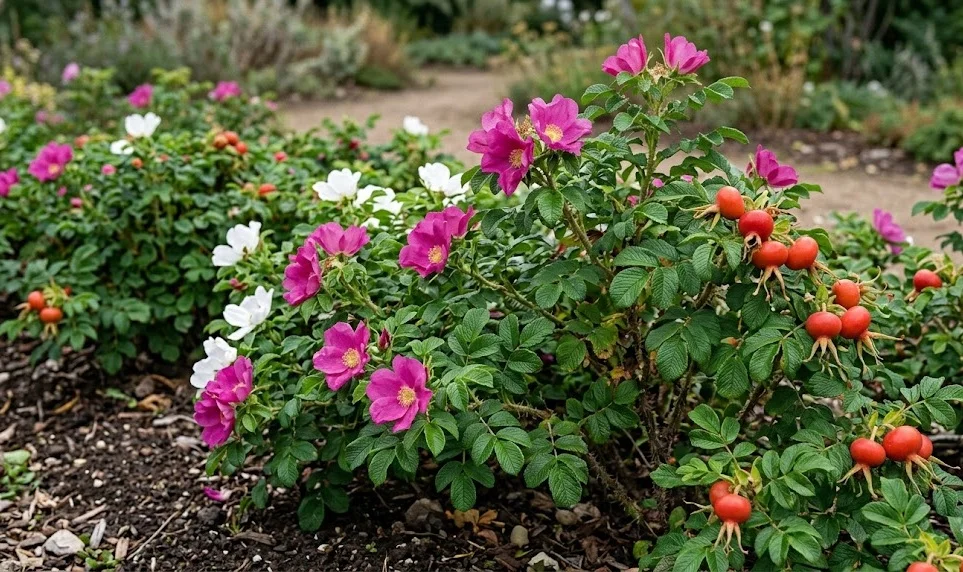

Understanding the interaction between light and plant physiology is one of the most important skills for any professional gardener to master. You must be able to evaluate the quality and quantity of sunlight that reaches different parts of your landscape throughout the day. These roses are known for their love of bright conditions, but they also possess a surprising degree of flexibility in less-than-ideal spots. This chapter explores the technical details of how light influences the growth, flowering, and overall health of your botanical collection.
Light is the primary source of energy for all plants, driving the process of photosynthesis that creates the building blocks for growth. You should aim to provide your roses with a location where they can capture as much of this energy as possible during the productive months. A well-lit plant will be more compact, have stronger stems, and produce a much higher volume of flowers and hips. Conversely, a plant that is struggling for light will often become leggy and produce fewer, smaller blossoms over time.
The quality of the light is just as important as the total number of hours the plant spends in the sun each day. You should look for areas with direct, unobstructed sunlight that has not been filtered by the canopy of large trees or nearby buildings. This intense light provides the full spectrum of energy that the plant needs to develop its characteristic vibrant foliage and intense floral colors. A professional gardener knows that the best results come from placing the right plant in the right light from the very beginning.
Observing how the light changes in your garden across the different seasons is an advanced technique for professional landscape management. You will notice that the angle of the sun and the length of the shadows can vary significantly between the height of summer and the depths of winter. This shifting pattern means that a spot that is perfect in July might be quite shaded in September or October. By understanding these annual cycles, you can make more informed decisions about where to place your permanent garden features.
Optimal sun exposure and its benefits
For the best possible performance, you should aim to provide your roses with at least six to eight hours of direct sunlight every day. This amount of exposure is the professional standard for ensuring that the plant has enough energy to maintain its vigor and produce a spectacular display. The morning sun is particularly valuable as it helps dry the dew off the leaves, which is a natural way to reduce the risk of fungal issues. If you have to choose between morning and afternoon sun, the morning light is often the better choice for long-term health.
More articles on this topic
In addition to driving growth, intense sunlight also plays a crucial role in the development of the decorative hips that appear after the flowers have faded. You will find that plants in full sun produce larger, more brightly colored fruits that add significant interest to the autumn and winter garden. These hips are a hallmark of the species and a favorite feature for many professional designers who value year-round aesthetic appeal. A sun-drenched location is the best way to ensure that your garden remains productive and beautiful throughout the entire year.
The density of the foliage is another area where light exposure has a significant impact on the overall appearance of the shrub. You should notice that plants in bright light develop a much thicker and more robust canopy of leaves that provides better coverage and privacy. This makes them an excellent choice for creating natural screens or hedges that remain attractive and functional over many years. A professional gardener uses light as a tool to shape the growth habit and structural integrity of their botanical specimens.
Finally, consider the impact of light on the fragrance of the blossoms, which is one of the most beloved attributes of this particular variety. You might find that the scent is more intense and carries further on warm, sunny days when the plant is actively producing oils and resins. Placing your roses in a sunny spot near a seating area or a walkway allows you to fully enjoy this sensory experience during the peak of the season. A professional design takes into account these subtle interactions between environmental factors and the enjoyment of the garden.
Managing the effects of shade
While full sun is ideal, these resilient shrubs can also adapt to situations where they receive a bit of partial shade during the day. You might find that they still grow well and produce flowers even if they only get four to five hours of direct light in some environments. However, you should be prepared for some changes in their appearance, such as a slightly more open growth habit and a reduction in the total number of blooms. A professional gardener knows how to manage these trade-offs to achieve a beautiful result even in less-than-perfect locations.
More articles on this topic
If your garden is dominated by large trees or high walls, you should focus on placing your roses in the brightest spots available within that space. You can also use reflective surfaces or light-colored fences to bounce more energy toward the plants and improve their overall performance. This creative approach to light management is a professional technique for making the most of a challenging or restricted garden environment. Even a small increase in the available light can have a noticeable impact on the health and vigor of your botanical collection.
In areas with very intense afternoon heat, a little bit of high, filtered shade can actually be beneficial for preserving the color of the flowers. You should observe how the blossoms react to the hottest part of the day and decide if they would benefit from some protection from the harshest rays. Some gardeners use strategic planting or temporary structures to provide a bit of relief for their roses during the height of the summer. This level of attention to the needs of the individual plant is a mark of a professional and dedicated horticulturist.
Be aware that shaded locations are often more prone to issues with moisture and air circulation, which can lead to an increase in fungal problems. You should be extra vigilant about cleaning up debris and ensuring that the plants are not overcrowded when they are growing in less sunny spots. A professional management plan for shaded roses includes more frequent inspections and a higher standard of hygiene to compensate for the environmental challenges. With the right care, you can still achieve a successful and attractive garden display even in the shadows.